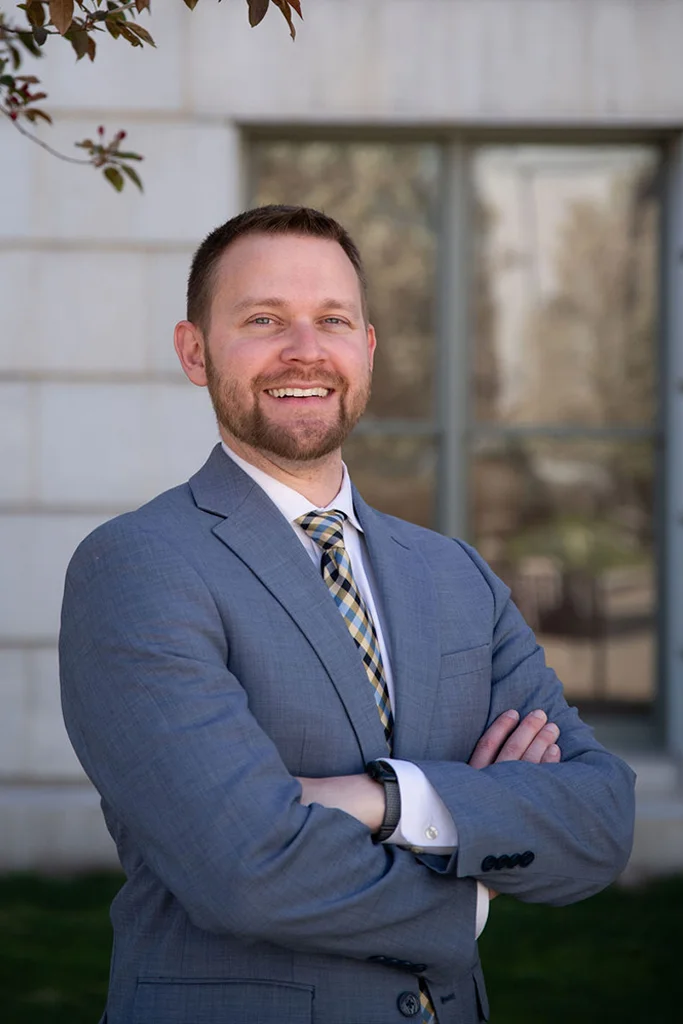

Colorado Insurance Producer License Defense Lawyer
Your insurance producer license is the foundation of your career. Every client you’ve built a relationship with, every renewal you’ve serviced, every policy you’ve placed, all of it depends on that license remaining intact. When the Colorado Division of Insurance opens a complaint investigation or initiates a disciplinary proceeding against you, the professional infrastructure you’ve spent years constructing is suddenly at risk. A Colorado insurance producer license defense lawyer can be the difference between a resolved complaint with your license untouched and a formal order that ends your ability to work in the industry.
Colorado’s Division of Insurance operates under the Colorado Department of Regulatory Agencies and has broad authority to investigate producers, issue cease-and-desist orders, impose fines, place licenses on probationary status, suspend, or revoke outright. The division’s investigators are experienced, and the complaint process moves faster than most licensees expect. Producers sometimes assume that a complaint from a disgruntled client will be dismissed as a misunderstanding, or that a brief written response is all that’s needed to make the matter go away. That assumption has cost careers. The administrative process that governs your license is a formal legal proceeding, and it carries consequences that can follow you permanently in any state where you apply for licensure in the future.
What makes this area particularly high-stakes is the intersection of professional discipline and criminal exposure. Some conduct that triggers a Division of Insurance complaint, such as alleged misappropriation of premiums or fraudulent application submissions, can simultaneously attract attention from law enforcement. Navigating both tracks at once, protecting your professional license while also protecting yourself from criminal jeopardy, requires someone who understands both worlds. Reid DeChant has built DeChant Law’s practice at exactly that intersection.
What Puts an Insurance Producer License at Risk in Colorado
- Client Complaint Investigations: The Division of Insurance receives complaints from policyholders, insurers, and third parties alleging misrepresentation, failure to disclose policy terms, unsuitable product recommendations, or poor claims handling guidance. Even complaints that seem unfounded require a formal written response and documentation review.
- Premium Misappropriation Allegations: Allegations that a producer diverted, delayed forwarding, or otherwise mishandled client premium payments are treated as serious violations under Colorado statutes governing producer conduct and can trigger both administrative discipline and criminal fraud investigations.
- Churning and Twisting: Recommending that a client replace an existing policy primarily to generate a new commission, rather than for the client’s genuine benefit, constitutes twisting under Colorado insurance regulations. These violations are subject to license discipline and civil penalties.
- Licensing and Continuing Education Violations: Producers who allow their license to lapse and continue transacting business, or who submit false continuing education certifications, face administrative sanctions. The division treats fraudulent CE submissions as a serious integrity issue that weighs heavily in any discipline determination.
- Appointment and Authority Issues: Writing business beyond the scope of your carrier appointments, or acting without a valid appointment in a particular line, can result in regulatory action even when no client was actually harmed.
- Background and Disclosure Failures: Colorado requires producers to disclose criminal convictions and certain civil judgments. Failing to report a disqualifying event, or providing inaccurate information during licensure, can result in disciplinary action independent of the underlying incident.
- Multi-State Regulatory Complications: Because Colorado participates in the National Insurance Producer Registry, discipline imposed in Colorado can trigger reciprocal actions in other states where you hold licenses. A single proceeding in Denver can cascade into license jeopardy in multiple jurisdictions.
Why DeChant Law Is the Right Choice for Insurance License Defense in Colorado
Professional license defense is not a field where generic legal experience is enough. The administrative process at the Colorado Division of Insurance follows a different procedural track than civil litigation, and the standards and remedies differ substantially from criminal court. What you need is a Colorado insurance producer license defense attorney who has spent serious time in adversarial proceedings, understands how to build a record, and knows how to cross-examine witnesses and investigators when a case proceeds to a formal administrative hearing.
Reid DeChant trained as a public defender before building his private practice, defending clients across Denver, Broomfield, Adams County, Jefferson County, Douglas County, and Arapahoe County courtrooms against charges ranging from misdemeanors to serious felonies, including assault, DUI, and homicide. That volume of adversarial litigation experience is directly relevant to license defense work, where the ability to challenge witness credibility, identify procedural defects in an investigation, and construct a persuasive narrative for a hearing officer can determine the outcome. Reid is a graduate of the Trial Lawyers College, the program founded by Gerry Spence that trains lawyers in courtroom storytelling and psychodrama-based advocacy. That training means Reid presents his clients as full human beings with context, careers, and professional histories worth protecting, not as abstract regulatory respondents.
Reid is a member of the National Association of Criminal Defense Lawyers and the Colorado Criminal Defense Bar, organizations that keep him connected to the leading minds in litigation strategy and professional defense across the country. His case results reflect a consistent track record of dismissals, not guilty verdicts, and favorable outcomes at trial and hearing, including cases where the government had significant evidence and still did not prevail. For an insurance producer whose career depends on the outcome of a Division of Insurance proceeding, that kind of litigation tenacity is precisely what’s needed. At DeChant Law, your case will be handled with the directness and transparency that allows you to make informed decisions at each step of the administrative process.
How the Colorado Division of Insurance Disciplinary Process Actually Unfolds
Most insurance producers have never faced regulatory discipline and don’t have a clear picture of how the process works until they’re already in it. The Division of Insurance typically begins an investigation after receiving a written complaint. An investigator is assigned, and the producer receives a written notice requesting a response and supporting documentation. At this stage, many producers make what turns out to be their most consequential mistake: they respond without legal representation, providing explanations that are incomplete, contradicted by documents they didn’t review carefully, or that inadvertently acknowledge elements of the alleged violation.
After the investigation concludes, the division may issue a Statement of Charges, which is the formal document that initiates administrative proceedings. At that point, the producer has the right to request a hearing before an administrative law judge assigned through the Office of Administrative Courts, located at 1525 Sherman Street in Denver. This hearing functions like a trial. Both sides present evidence, witnesses are examined and cross-examined, and the administrative law judge issues a recommended decision. The Commissioner of Insurance then reviews that recommendation and issues the final order. The entire process from initial complaint to final order can take months, and the formal record created at the hearing stage becomes the record that matters if you appeal to the district court.
Because the hearing record is so critical, preparation must begin well before the hearing date. That means reviewing all investigative materials the division relied on, identifying weaknesses in the complaint, gathering character and professional history evidence, preparing witness testimony, and building the narrative that the hearing officer will evaluate. Producers who retain an insurance license defense attorney in Colorado only after charges are filed, rather than at the initial investigation stage, often find themselves working against the record their earlier, unrepresented responses already created.
There is also the question of negotiated resolution. In many cases, a formal hearing is not the only path forward. The division has the authority to enter into consent agreements or stipulated orders that resolve a proceeding on terms negotiated between the parties. Whether a negotiated resolution is preferable to a contested hearing depends on the facts, the evidence, and the producer’s career objectives. That calculation requires the kind of candid, experience-based judgment that comes from having litigated many of these proceedings to completion. DeChant Law will give you a straight assessment of where your case actually stands and what the realistic outcomes look like, not just the most optimistic scenario.
Questions Colorado Insurance Producers Ask About License Defense
A client filed a complaint with the Division of Insurance against me. What should I do first?
Do not respond to the division’s initial inquiry without first consulting a Colorado insurance producer license defense attorney. The response you provide at the investigation stage shapes the entire proceeding that follows. Gather your client files, application documents, correspondence, and any policy documents related to the complaint before doing anything else, and do not discard anything.
Can the Division of Insurance suspend my license before a hearing?
Yes. Colorado law allows the Commissioner of Insurance to issue a summary suspension order when there is an immediate threat to the public. A summary suspension takes effect before any hearing and can interrupt your ability to transact business immediately. If you receive a summary suspension notice, that is a situation requiring urgent legal attention.
What is the difference between a suspension and a revocation in Colorado?
A suspension is a temporary loss of the right to transact insurance business for a defined period, after which the license may be reinstated if conditions are met. A revocation is a permanent removal of the license. Both can be disclosed to other state insurance departments through the National Insurance Producer Registry, affecting your ability to obtain or maintain licenses in other states.
Will a Division of Insurance disciplinary order show up when I apply for a license in another state?
Yes. Colorado participates in the National Insurance Producer Registry, which means that any disciplinary action taken by the Division of Insurance is reported and accessible to other state insurance regulators. Most states require applicants to disclose prior regulatory discipline, and several states have reciprocal discipline provisions that allow them to take action on your in-state license based on out-of-state proceedings.
I’m also facing a criminal investigation related to the same conduct. How does that affect my license defense?
The criminal proceeding and the administrative proceeding are separate, but they are not independent. Statements made during a Division of Insurance administrative hearing can be used in a criminal prosecution. If there is active criminal exposure, your strategy for the administrative proceeding must account for your Fifth Amendment rights and must be coordinated with your criminal defense. This is precisely the situation where having a lawyer who handles both criminal defense and professional license matters provides a significant advantage.
Can the Division of Insurance impose a fine instead of suspending or revoking my license?
Yes. Colorado’s insurance statutes give the Commissioner authority to impose civil penalties, issue letters of admonition, require remedial education, or impose conditions on a license as alternatives to suspension or revocation. In many cases, negotiating a resolution that results in a fine and remedial conditions, rather than any period of suspension, is the most favorable outcome available and may be achievable through a consent agreement.
What if the complaint is from a former employer or a competitor, not an actual client?
The Division of Insurance accepts complaints from any party, not just policyholders. Complaints from former employers, rival agencies, or disgruntled business partners are investigated the same way as client complaints. The motivation behind the complaint is not a defense to the alleged conduct, but it may be relevant context that a hearing officer considers when evaluating credibility and deciding what, if any, discipline is appropriate.
My license expired before I received the complaint. Does the Division still have jurisdiction over me?
Yes. The Division of Insurance can investigate and discipline conduct that occurred while you were licensed, even if your license has since lapsed or expired. More importantly, a disciplinary finding can affect your ability to reinstate a lapsed license or obtain a new one in Colorado or any other state.
How long does it typically take for a Division of Insurance disciplinary case to conclude in Colorado?
Cases that resolve through a negotiated consent agreement can close in weeks to a few months after the investigation concludes. Contested cases that proceed to a formal hearing before an administrative law judge take considerably longer, often many months from the time charges are filed to the Commissioner’s final order. Appeals to the district court extend the timeline further. The overall duration depends heavily on the complexity of the allegations and the division’s current caseload.
If my license gets revoked, can I ever get it back?
A revocation is not necessarily permanent in every circumstance. Colorado law allows a person whose license has been revoked to petition for reinstatement after a specified period has elapsed, though the bar for reinstatement is high and requires demonstrating rehabilitation and that the public interest would not be harmed by restoring the license. The terms of the revocation order and the underlying conduct both factor into any reinstatement evaluation.
DeChant Law’s Colorado Professional License Defense Representation
Reid DeChant represents insurance producers and other licensed professionals facing regulatory action across Colorado’s Front Range and throughout the state. DeChant Law handles matters originating from Denver, where the Division of Insurance and the Office of Administrative Courts are both located, as well as cases involving producers based in Aurora, Lakewood, Thornton, Arvada, Westminster, Centennial, Highlands Ranch, Parker, Castle Rock, Englewood, Littleton, Greenwood Village, Lone Tree, Brighton, Commerce City, Wheat Ridge, Golden, Longmont, Boulder, Fort Collins, Pueblo, Colorado Springs, Grand Junction, and communities across the greater Denver metropolitan area and beyond. Whether your license is based in Jefferson County, Arapahoe County, Adams County, Douglas County, Broomfield, or elsewhere in the state, DeChant Law can represent you in proceedings before the Colorado Division of Insurance and the Office of Administrative Courts.
Distance is not a barrier. The formal proceedings for license defense matters are conducted in Denver regardless of where in Colorado you are licensed, and DeChant Law is positioned to handle your matter wherever in the state the underlying conduct occurred or where your clients are located.
Speak with a Colorado Insurance Producer License Defense Attorney Before You Respond to the Division
The initial response to a Division of Insurance inquiry is often the most consequential document in the entire proceeding. Producers who submit that response without legal guidance frequently undermine positions they could have protected, and by the time they retain a Colorado insurance producer license defense attorney, they are working against statements already in the record. DeChant Law is built to give you the kind of frank, experience-grounded representation that this situation demands, from the first investigative notice through a contested hearing if that’s where your case goes. Call or contact DeChant Law to schedule a consultation about your license and your options before the proceeding advances further.