Aurora DUI Defense Lawyer
Aurora sits at the intersection of some of Colorado’s most actively patrolled corridors. Colfax Avenue, Iliff Avenue, and the stretch of E-470 that wraps the eastern edge of the metro generate a steady volume of DUI stops, particularly on weekends and after events at nearby venues. When someone is pulled over and charged in Arapahoe or Adams County, which covers much of Aurora’s geography, the case moves through courts that handle these charges routinely and move quickly. Having a Aurora DUI defense lawyer who understands how the local system works is not a formality. It changes what happens to your license, your record, and your daily life.
What Actually Happens After an Aurora DUI Arrest
A DUI arrest in Aurora triggers two separate processes that run on different tracks and require immediate attention. The first is the criminal case, handled in the Arapahoe County District Court or, depending on where in Aurora the stop occurred, Adams County. The second is an administrative action through the Colorado DMV, which will move to revoke your driving privileges regardless of how the criminal case resolves.
After arrest, you have seven days to request a DMV hearing to contest the revocation of your license. Most people are unaware of this deadline, and missing it results in an automatic suspension. The hearing itself is separate from your arraignment and operates under different rules of evidence. Winning the DMV hearing does not mean the criminal charge disappears, and a guilty plea in court does not automatically resolve the license issue. These two tracks need to be managed simultaneously from the moment you are released.
At arraignment, you will enter an initial plea and receive a date for further proceedings. Aurora DUI cases in Arapahoe County typically move through pretrial hearings where evidence is disclosed and contested before any trial date is set. The pace can feel slow, but the pretrial phase is where most cases are actually decided, through suppression motions, challenges to the chemical test results, and negotiations with the district attorney’s office.
The Science Behind Blood and Breath Tests in Colorado DUI Cases
Colorado operates under express consent law, meaning anyone who drives in the state has implicitly agreed to submit to chemical testing when a law enforcement officer has reasonable grounds to believe they are impaired. Refusing the test carries its own penalties, including a longer license revocation period. But agreeing to the test does not mean the results are unassailable.
Breathalyzer devices require proper calibration, maintenance logs, and operator certification. A reading from a device that was out of calibration or operated by someone not certified to administer the test may be challenged. Blood draws present a different set of issues. The sample must be drawn by a qualified person, stored under appropriate conditions, and analyzed by a laboratory using validated procedures. Chain of custody gaps, fermentation contamination in blood samples, and improper analysis can all affect the reliability of a result.
Field sobriety tests are a separate matter. The standardized tests, horizontal gaze nystagmus, walk and turn, and one leg stand, are designed to generate observable indicators of impairment. But they are also sensitive to medical conditions, fatigue, footwear, road surface, and anxiety. The officer’s subjective interpretation of a performance becomes part of the arrest narrative. Challenging the basis for the stop and the interpretation of field sobriety results can matter as much as challenging the chemical test.
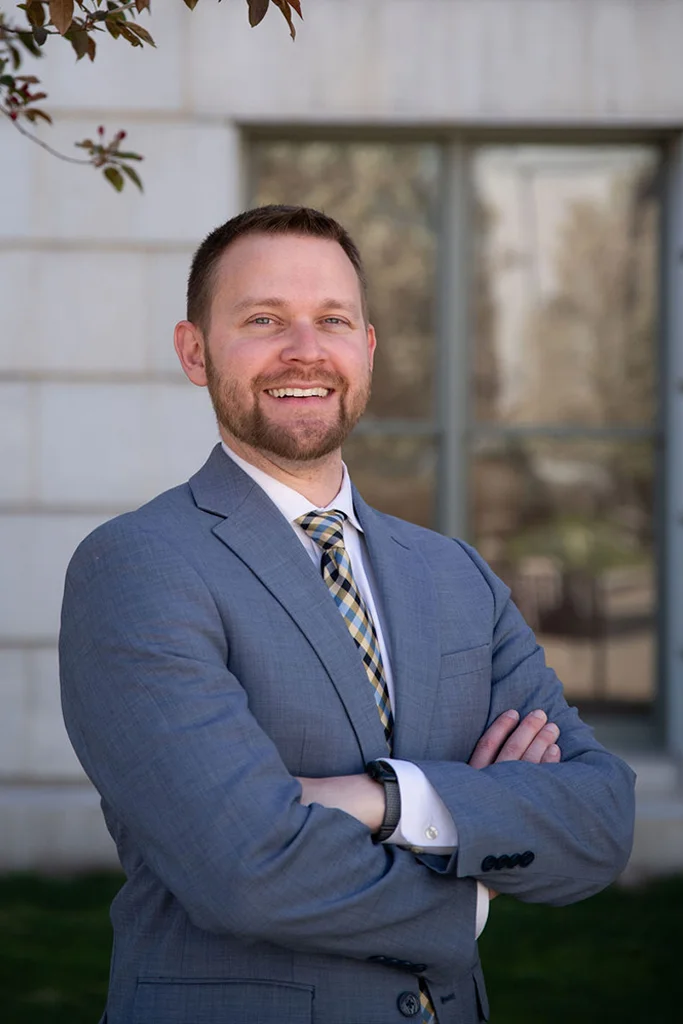
At DeChant Law, Reid has specifically focused his training and experience on fighting impaired driving charges. That focus means he is familiar with the technical arguments that actually move the needle in these cases, not just the generic defenses that get raised and rejected.
DUI Penalties in Colorado and Why Charge Reductions Matter
A first DUI conviction in Colorado carries potential jail time from five days to one year, fines from $600 to $1,000, a nine-month license suspension, community service, and mandatory alcohol education classes. A DWAI, driving while ability impaired, which applies when a BAC reads between 0.05% and 0.079%, carries somewhat lower minimums but still appears on a criminal record and still affects your driving privileges.
By the second offense, the minimum jail time increases significantly, fines grow, and the license suspension extends to twelve months. A third DUI is a serious offense with mandatory jail minimums that courts take seriously. The escalation is structured into the statute, which means prior convictions follow you forward and directly shape the range of outcomes a prosecutor can offer.
This is why the difference between a DUI and a DWAI conviction matters, and why a case that resolves with a dismissal or an acquittal has a fundamentally different impact on someone’s record and future. For people holding commercial driver’s licenses, professional licenses in fields like medicine or nursing, or immigration status, the stakes around how a charge resolves extend well beyond the statutory penalties. A conviction that looks manageable on paper can have consequences in other parts of a person’s life that the sentencing judge is not focused on.
Questions Aurora Residents Ask About DUI Charges
Can I drive after being arrested for DUI in Aurora?
After a DUI arrest in Colorado, you may receive a temporary permit from the officer that allows you to drive for a limited period. Once that period expires, or once the DMV acts on the revocation, you cannot legally drive without first addressing the administrative action. Requesting a DMV hearing within seven days of the arrest preserves your right to contest the revocation and temporarily delays the automatic suspension during the hearing process.
What happens at the DMV hearing?
The DMV hearing is an administrative proceeding, not a criminal trial. A hearing officer, not a judge, decides whether the officer had reasonable grounds to believe you were driving impaired, whether the express consent advisement was properly given, and whether the chemical test was conducted within the required two-hour window from the time of driving. A number of DeChant Law’s past case results reflect dismissals at the DMV level based on procedural and evidentiary grounds.
Does refusing the breath or blood test help my case?
Refusing a chemical test in Colorado triggers an automatic license revocation that is longer than the one imposed after a failed test. The refusal can also be used as evidence in the criminal case. In some circumstances, refusing may be a calculated decision, but it creates its own complications and is not a reliable strategy for avoiding consequences.
Will a DUI conviction show up on background checks?
Yes. A DUI conviction in Colorado is a criminal conviction and will appear on standard background checks. Colorado’s record sealing laws have limited application to DUI convictions, which makes contesting the charge early in the process more consequential than trying to address the record afterward.
How long does an Aurora DUI case take to resolve?
Most misdemeanor DUI cases in Arapahoe County resolve within several months, though cases involving contested evidence, suppression hearings, or jury trials take longer. The timeline depends on how much is being contested and how early a resolution is reached. Pushing for a quick guilty plea to end the process faster rarely serves the person charged.
Can a DUI be dismissed or reduced?
Yes. Dismissals and reductions happen in Aurora DUI cases when the evidence does not hold up to scrutiny, when procedural errors affected the stop or the testing, or when negotiation with the prosecutor produces an alternative resolution. The case results section of DeChant Law’s record includes multiple DUI dismissals and not-guilty verdicts across the Denver metro, including in Arapahoe and Jefferson County courts.
What should I do in the first few days after a DUI arrest in Aurora?
The most important steps in the first week are requesting the DMV hearing within the seven-day window and consulting with a defense attorney before any court appearances. Decisions made early in the case, including what you say to law enforcement and whether you accept any preliminary offer, affect what options remain available later.
Reid DeChant Handles Aurora DUI Cases
Reid’s background includes time as a public defender in Denver, Broomfield, and Adams County, where he handled DUI and impaired driving cases alongside more serious felony matters. That combination of courtroom experience and focused DUI training, including work through the Trial Lawyers College, shapes how DeChant Law approaches these cases. The goal is not to move cases efficiently from arrest to plea. It is to evaluate what the government actually has, identify where the evidence can be challenged, and pursue the best realistic outcome for that specific person in their specific situation. If you are facing an Aurora DUI charge, contact DeChant Law to discuss where your case stands and what the defense options look like.