Denver Nursing License Defense Lawyer
A nursing license represents years of education, clinical training, and professional sacrifice. When the Colorado State Board of Nursing opens an investigation or files a complaint, everything built over that career sits at risk. The board has broad authority to suspend, revoke, or restrict a license, and the process moves faster than most nurses expect. Working with a Denver nursing license defense lawyer who understands how professional licensing boards operate, how Colorado’s disciplinary procedures work, and what arguments actually move regulators can be the difference between keeping your license and losing it entirely.
Nursing license investigations in Colorado can be triggered by patient complaints, employer reports, drug diversion allegations, criminal charges, or mandatory reports from hospitals and health systems. Many nurses first learn about a complaint when they receive a letter from the Division of Professions and Occupations, which administers the Board of Nursing under the Colorado Department of Regulatory Agencies. At that point, there is no neutral investigator on your side. The investigator’s job is to build a record that supports whatever action the board may decide to take.
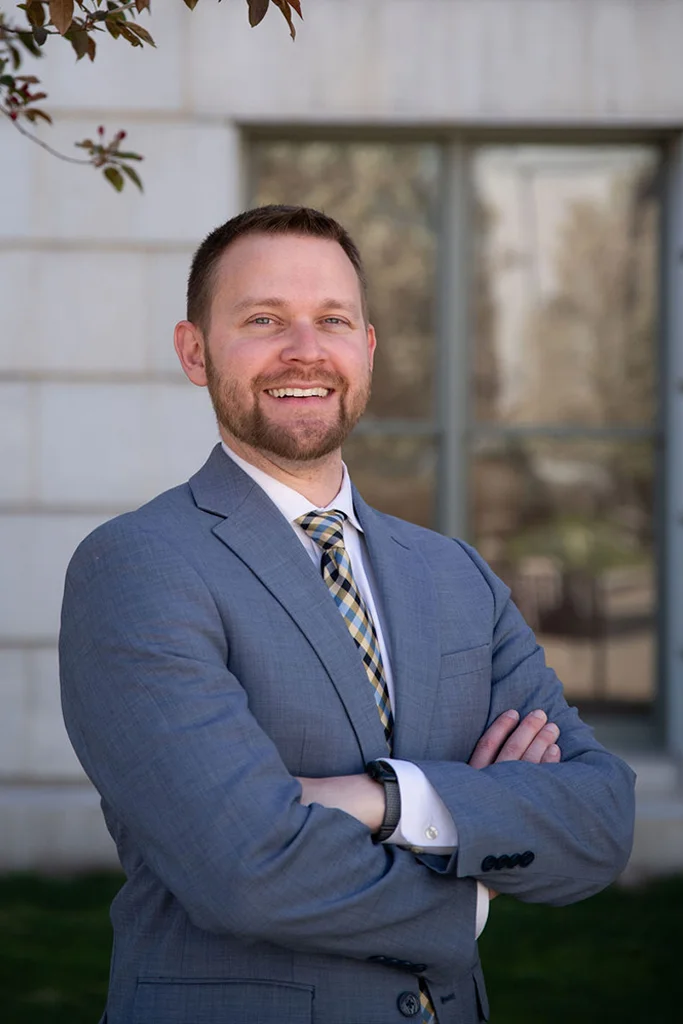
Reid DeChant at DeChant Law has defended clients at their lowest moments, in courtrooms and in hearings where the outcome defined the rest of their lives. Professional license defense requires that same tenacity applied to a different arena. The administrative hearing process borrows many features from criminal procedure, and having a lawyer who knows how to cross-examine witnesses, challenge evidence, and tell a client’s story with honesty and precision gives nurses a real fighting chance when the board comes calling.
What Denver Nurses Actually Face When the Board Investigates
Colorado nursing license investigations do not unfold like a courtroom drama. They are quieter, slower, and in some ways more dangerous because nurses often underestimate the severity until it is too late. The Board of Nursing can act on a complaint filed by a colleague, a patient’s family member, a disgruntled supervisor, or an employer who terminated a nurse and then filed a mandatory report. The board is required to investigate every complaint that falls within its jurisdiction, regardless of whether the underlying allegation has merit.
Once an investigation opens, the nurse may be contacted by an investigator and asked to provide a written response or sit for an interview. This is where many nurses make their most consequential mistake. They assume cooperation without legal guidance will demonstrate good faith. In reality, an unguided response to a board investigator can inadvertently confirm disputed facts, introduce new allegations, or contradict documentation in the nurse’s own personnel file. Anything provided to the board becomes part of the record that could support disciplinary action.
After investigation, the board may close the case with no action, issue a letter of concern, enter into a stipulation agreement, or refer the matter to a formal disciplinary hearing before an administrative law judge. A stipulation agreement, even one framed as non-disciplinary, can appear on a nurse’s public license record and affect employment opportunities, hospital privileges, and applications for licensure in other states. A Denver nursing license defense attorney who has reviewed the facts before any response is submitted can shape the entire trajectory of a case from day one.
Types of Complaints and Allegations Handled at DeChant Law
- Drug diversion allegations: Accusations that a nurse diverted controlled substances for personal use are among the most serious the board reviews, often triggering both an administrative investigation and a parallel criminal inquiry by law enforcement.
- Medication errors: A documentation gap, wrong dose, or administration error can result in a patient complaint or a mandatory employer report, even when no patient harm occurred and the nurse self-reported the mistake.
- Patient abuse or neglect allegations: Complaints alleging that a nurse mistreated, neglected, or failed to adequately monitor a patient are reviewed closely by the board and can result in emergency suspension in severe cases.
- Criminal charges or convictions: Under Colorado law, a criminal conviction, including certain DUI convictions or offenses involving moral turpitude, must be reported to the Board of Nursing and can independently trigger a license review separate from any criminal penalty.
- Substance abuse and impairment: A nurse who tests positive for alcohol or drugs, or who has been identified as impaired on the job, may face investigation and referral to Colorado’s peer assistance program, HPSP, as an alternative to formal discipline.
- Boundary violations: Allegations that a nurse engaged in inappropriate personal, financial, or sexual relationships with patients or former patients are treated with heightened scrutiny and can result in severe disciplinary outcomes.
- False documentation or fraud: Allegations involving falsified patient records, billing irregularities, or misrepresentations on license applications carry significant weight before the board and may also involve state or federal fraud statutes.
- Scope of practice violations: Performing procedures outside a nurse’s authorized scope, whether RN, LPN, or advanced practice, can result in disciplinary action even when the nurse believed the task was within acceptable practice.
How Colorado’s Nursing Discipline Process Works and When to Act
The Colorado Board of Nursing operates under the authority of the Colorado Nurse Practice Act, and the Division of Professions and Occupations handles the administrative machinery of investigations and hearings. When you receive any communication from the Division, whether it is a notice of investigation, a request for a written response, or a proposed stipulation, you are already in the middle of a formal process. Retaining a nursing license defense attorney in Denver before you respond to any board communication is the most important step you can take.
Written responses to the board matter enormously. A well-framed response that addresses the complaint directly, provides context, and attaches supporting documentation can lead to early case closure. A poorly framed or defensive response can confirm the board’s concerns and accelerate the case toward formal disciplinary proceedings. At DeChant Law, Reid reviews all factual circumstances before a single word goes to the board.
If the case proceeds to a formal complaint and hearing, it is handled through the Office of Administrative Courts, which is located in Denver on Grant Street. Administrative law judges preside over these hearings, which have rules of evidence and procedure that differ from district court but still require skilled advocacy. Witnesses testify, evidence is presented, and both sides can cross-examine. The standard of proof in Colorado administrative proceedings is typically preponderance of the evidence, a lower bar than in criminal cases, which is another reason early and thorough preparation is essential.
Nurses should also be aware that the Health Professional Service Program (HPSP) in Colorado offers a non-disciplinary path for nurses whose issues stem from substance use disorder. Voluntary participation in HPSP, with appropriate monitoring and compliance requirements, can sometimes resolve a board investigation without formal disciplinary action. Whether HPSP is appropriate depends entirely on the specific facts of the case, the stage of the investigation, and the board’s posture. A nursing license defense attorney can help evaluate whether voluntary participation helps or creates additional exposure.
One common and costly mistake: waiting to see what the board does before getting legal help. Nurses sometimes assume the board will review the facts and recognize the complaint has no merit. The board’s role is not to advocate for the nurse. Proactive representation, starting from the moment the first letter arrives, allows counsel to shape the factual record rather than respond to one that has already been built against the nurse.
Why DeChant Law for Denver Nursing License Defense
Professional licensing boards and criminal courts share more than most people realize. Both involve government agencies with authority to take something fundamental from a person who has worked hard to earn it. Both require someone who can investigate facts independently, challenge the government’s version of events, and present a client’s story in a way that actually resonates with the decision-maker.
Reid DeChant built his practice on that kind of advocacy. As a former public defender in Denver, Broomfield, and Adams County courtrooms, Reid handled enormous caseloads involving DUI, assault, sexual assault, felony charges, and homicide, gaining more cross-examination and hearing experience than most private attorneys accumulate over entire careers. He trained at the Trial Lawyers College, the program founded by Gerry Spence, which teaches lawyers to connect with decision-makers through honest storytelling and authentic human representation rather than technical argument alone. Administrative law judges, like jurors, respond to advocates who understand the human reality behind a case.
Reid is a member of the National Association of Criminal Defense Lawyers and the Colorado Criminal Defense Bar, associations that reflect a commitment to staying current with the most effective defense strategies available. Nursing license defense requires that same commitment applied to the administrative arena. The case results on this firm’s record include dismissed charges, not-guilty verdicts at trial, and DMV hearing victories, all in cases where the government had resources and institutional authority and Reid found the vulnerabilities in their position. That same approach applies when the government agency is the Board of Nursing rather than the district attorney’s office.
When you work with DeChant Law, you will understand what is happening in your case and why. You will be consulted before decisions are made. A nurse whose license is under investigation deserves the same level of transparent communication and relentless preparation that Reid brings to every client he represents.
Questions About Denver Nursing License Defense
What triggers a Colorado Board of Nursing investigation?
Investigations are triggered by complaints from patients, family members, coworkers, or employers, by mandatory reports from hospitals and health systems following an adverse event or termination, by self-reports required under Colorado law, or by criminal charges and convictions that must be disclosed to the board. The board investigates all complaints that fall within its jurisdiction.
Do I have to respond to the board’s investigator?
You will typically receive a request to provide a written response or participate in an interview. While cooperation is generally advisable, how you respond and what you say matters enormously. Providing an unguided response can inadvertently harm your case. You have the right to have an attorney assist you in preparing and submitting any response to the board.
Can my nursing license be suspended immediately before a full hearing?
Yes. Colorado law allows the Board of Nursing to impose an emergency suspension of a license without a prior hearing when the board finds that a nurse poses an immediate danger to public health or safety. Emergency suspensions are reviewable, but a nurse facing one needs legal representation immediately to pursue a prompt hearing and challenge the basis for the suspension.
What is the difference between a letter of concern and formal disciplinary action?
A letter of concern is typically considered non-disciplinary and may not appear on a nurse’s public license record in the same way as formal discipline. However, even letters of concern become part of the board’s file and can factor into how future complaints are treated. Formal disciplinary actions, including reprimands, probation, suspension, and revocation, appear on the public license lookup and can affect employment and compact license status.
Will a DUI affect my Colorado nursing license?
Potentially, yes. Colorado nurses are required to report criminal convictions to the Board of Nursing. A DUI conviction can trigger a separate board review independent of any criminal penalties. The board will assess whether the circumstances reflect on the nurse’s fitness to practice, including whether substance use disorder may be involved. Early legal representation that coordinates criminal defense with licensing considerations is important when a nurse faces a DUI charge.
What is HPSP and should I enroll voluntarily?
The Health Professional Service Program is Colorado’s peer assistance program for health professionals with substance use disorders. It offers a confidential, non-disciplinary path involving monitoring, treatment, and compliance requirements. For some nurses, voluntary HPSP enrollment before the board pursues formal action can prevent public disciplinary records. Whether enrollment is appropriate depends heavily on the specific allegations, the stage of any investigation, and the facts of the individual case. An attorney should evaluate these factors before a nurse volunteers to enroll.
Can I practice nursing in another state while my Colorado license is under investigation?
This depends on whether Colorado is your primary state of licensure under the Nurse Licensure Compact and how far the investigation has progressed. An active investigation or disciplinary action in Colorado can affect compact privileges and licensure applications in other member states. Nurses planning to relocate or seek multi-state compact status while under investigation need legal guidance on how those processes interact.
What happens if I signed a stipulation agreement without an attorney and now regret it?
A signed stipulation agreement with the Board of Nursing is a binding resolution. In most cases, it cannot be undone after execution. However, if there are grounds to believe the stipulation was entered under duress, involved misrepresentation, or contained terms you did not understand, an attorney can review whether any challenge or modification is available. Going forward, the attorney can help ensure you comply with all stipulation conditions to avoid further disciplinary action.
How long does a nursing license investigation typically take in Colorado?
Timelines vary widely depending on the complexity of the allegations, the volume of records at issue, and the board’s current caseload. Straightforward cases can resolve in several months. Investigations involving criminal proceedings, complex clinical records, or multiple complainants can take considerably longer. During the investigation, a nurse can generally continue practicing unless the board imposes an interim restriction or emergency suspension.
If the board finds against me, can I appeal?
Yes. A final disciplinary order from the Colorado Board of Nursing can be appealed to the Colorado Court of Appeals under the State Administrative Procedure Act. The appellate standard in administrative cases is deferential to the agency, meaning courts do not simply re-examine the facts from scratch, but legal errors, procedural violations, and findings unsupported by substantial evidence can provide viable grounds for appeal. Preserving appellate arguments requires raising them properly during the administrative proceeding itself, which is another reason experienced legal representation from the beginning matters.
Denver Nursing License Defense Representation Across the Metro Area and Colorado
DeChant Law represents nurses facing Colorado Board of Nursing investigations and disciplinary proceedings throughout the Denver metropolitan area and across the state. Clients come from the Denver Health system, hospitals and clinics along the South Broadway corridor, facilities in Lakewood and Englewood, health systems in Aurora and the Anschutz Medical Campus area, and nursing facilities throughout Jefferson County and along the U.S. 36 corridor into Boulder County. Reid also represents nurses working in Broomfield, Westminster, Thornton, and Commerce City, as well as those employed at facilities in Littleton, Highlands Ranch, and Castle Rock in Douglas County.
Beyond the immediate metro area, DeChant Law works with nurses in Colorado Springs, Pueblo, Fort Collins, Greeley, Loveland, Grand Junction, and Durango, as well as travel nurses who hold Colorado licenses and are stationed at facilities across the state. Nursing license proceedings are conducted through state-level administrative systems regardless of where the nurse practices within Colorado, and representation is not limited by geography within the state. Whether a nurse received a complaint letter at a facility in LoDo or a rural hospital in the San Luis Valley, the administrative process runs through the same Division of Professions and Occupations in Denver, and DeChant Law handles that process on behalf of clients statewide.
Talk to a Denver Nursing License Defense Attorney Before You Respond to the Board
Every day that passes after a board complaint arrives without legal guidance is a day the investigative record develops without your input. A Denver nursing license defense attorney who understands both administrative procedure and the realities of high-stakes advocacy can change what that record looks like and how the board responds to it. Reid DeChant represents nurses with the same directness, thorough preparation, and honest advocacy he brings to every client facing a government with authority over their future.
Call DeChant Law to schedule a consultation. Bring the letters, the notifications, and whatever documentation you have. Reid will review the facts and tell you clearly where things stand and what options are available. The sooner representation begins, the more those options remain open.