Denver Direct-Entry Midwife License Defense Lawyer
A complaint filed against your midwifery license can feel like everything you have built is suddenly at risk. You trained for years to support families through one of the most profound experiences of their lives, and now a regulatory investigation or disciplinary proceeding threatens to take that work away. A Denver direct-entry midwife license defense lawyer understands what is actually at stake in these proceedings and how to respond in a way that gives you the best chance of keeping your license intact.
Colorado has a distinct regulatory framework for direct-entry midwives, separate from the licensing structure that governs certified nurse-midwives. The Colorado Department of Regulatory Agencies oversees the Division of Professions and Occupations, which handles complaints, investigations, and disciplinary actions against licensed midwives. These proceedings move on their own timeline, with deadlines and procedural requirements that can significantly affect the outcome of your case if they are missed or mishandled. Having legal counsel involved from the moment you receive notice of a complaint, rather than waiting to see how things develop, changes the trajectory of how the investigation unfolds.
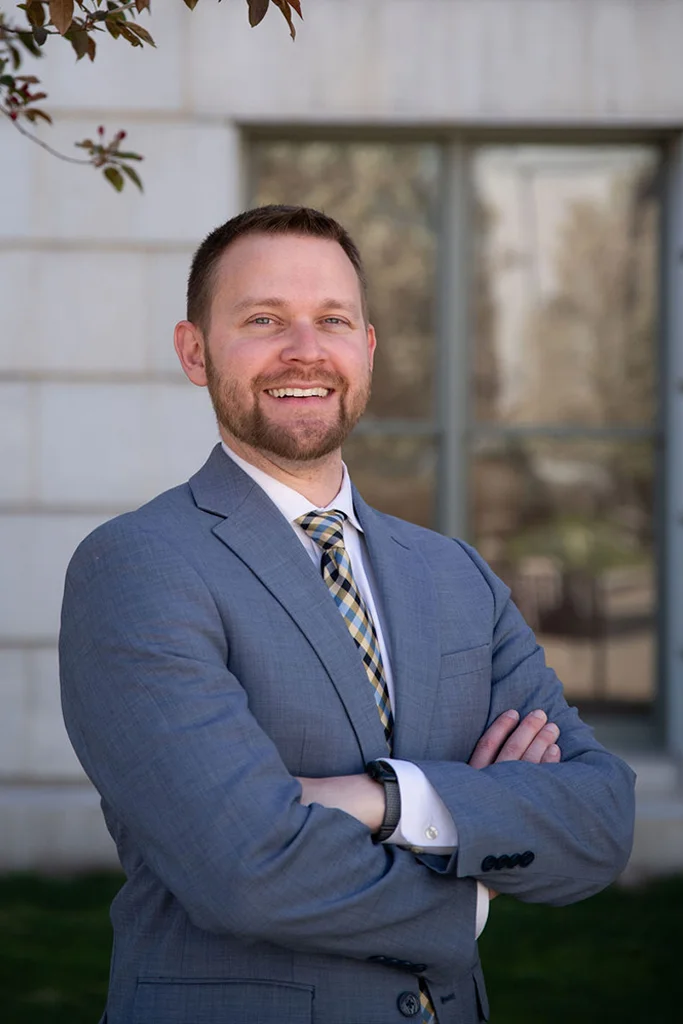
Reid DeChant brings courtroom and advocacy experience rooted in a career spent confronting government enforcement actions. The mindset that drives effective professional license defense is not fundamentally different from criminal defense: a state agency is building a case against you, and your response to that case determines everything. DeChant Law represents Denver-area midwives through the full range of licensing proceedings, from initial complaint responses through formal hearings before the Office of Administrative Courts.
What Midwife License Defense Cases Actually Look Like in Colorado
Most midwives who receive a complaint notice do not fully appreciate how quickly these proceedings escalate. What begins as a letter from the Division of Professions and Occupations requesting a written response can, within months, become a formal disciplinary action recommending suspension or revocation. Colorado law allows the Division to investigate a complaint, gather records, interview witnesses, and refer a case to the Attorney General’s office for formal prosecution, all before the midwife has had a meaningful opportunity to present her side of the story in a formal proceeding.
The early investigative phase is often where cases are won or lost. Midwives who respond to initial inquiry letters without legal guidance sometimes inadvertently provide statements or documentation that the Division uses to build a stronger case against them. What feels like cooperating in good faith can become a detailed record of admissions that surface during a later formal hearing. The instinct to be transparent with regulators is understandable, but transparency without strategy is not the same as building an effective defense.
Formal hearings in Colorado midwife licensing cases take place before the Office of Administrative Courts, where an administrative law judge evaluates the evidence and issues a recommended decision. That recommended decision goes to the Director of the Division of Professions and Occupations, who may adopt, modify, or reject it. The standards and procedures in these proceedings differ from criminal court in important ways, but the fundamental dynamic is the same: the state has prepared its case, and you need someone who has prepared yours.
Licensing Issues That Bring Direct-Entry Midwives Before Colorado Regulators
- Scope of Practice Complaints: Colorado law defines specific procedures and situations that fall outside the authorized scope of practice for licensed direct-entry midwives, and complaints often arise when a birth outcome prompts a hospital or physician to question whether a midwife exceeded those boundaries.
- Transfer of Care Disputes: Allegations that a midwife failed to recognize warning signs requiring emergency transport or delayed initiating a transfer can form the basis of a serious complaint, particularly when a neonatal or maternal complication occurs during or after a home birth.
- Documentation Deficiencies: Colorado regulations require midwives to maintain specific records for each client, including informed consent documentation, prenatal assessments, and detailed birth records. Alleged gaps or inaccuracies in those records are frequently cited in disciplinary complaints.
- Informed Consent Allegations: A complaint may allege that a client was not adequately counseled about the risks of home birth, particular birth circumstances, or deviations from standard protocols, especially in cases where the outcome was adverse.
- Supervision and Continuing Education Requirements: Regulatory complaints sometimes involve alleged failures to meet Colorado’s continuing education or supervision requirements, which can result in license probation even when no specific client harm is alleged.
- Criminal Charge Crossover: In rare but serious cases, adverse birth outcomes lead to both criminal investigation and regulatory action simultaneously. When a midwife faces both a criminal proceeding and a licensing investigation arising from the same event, the interactions between those two proceedings require careful strategic management.
- Client Complaints Filed Directly: Clients or their families can file complaints directly with the Division of Professions and Occupations, and those complaints are investigated regardless of whether any formal legal action follows, meaning that a single dissatisfied client can trigger a full regulatory review of your practice.
How to Respond When a Complaint Has Been Filed Against You
The first thing to understand is that the complaint process has already begun before you were notified. By the time a letter arrives from the Division of Professions and Occupations, the agency has already reviewed the complaint, made a preliminary determination that it warrants investigation, and opened a file. Your response to that initial contact is part of the official record from that point forward.
Do not respond to the initial inquiry letter without consulting an attorney. This is not about being uncooperative with regulators. The Division has investigators and staff attorneys whose job is to develop the evidentiary record of a case. Your initial written response shapes what they pursue next. A response that seems straightforward to you may flag additional areas of inquiry that would not have been opened otherwise.
Gather your complete client file immediately. Your prenatal records, birth records, transfer documentation, consent forms, and any written communications with the client in question should be organized and preserved before you begin any response. Do not alter, delete, or supplement those records in any way. Altering records after a complaint is filed is a separate and more serious basis for disciplinary action than the underlying complaint itself.
In Colorado, the Division of Professions and Occupations is housed within the Department of Regulatory Agencies at 1560 Broadway in Denver. The Office of Administrative Courts, which handles formal hearings, is located at 633 17th Street in Denver. Understanding where your case sits procedurally, whether it is still in the investigative phase at the Division level or has been referred for formal proceedings, affects what deadlines apply and what options remain available to you. An attorney familiar with the process can identify exactly where your case stands and what must happen next.
One common mistake midwives make is waiting to see whether the complaint is dismissed before seeking legal representation. Complaints that appear minor at the outset can develop into significant disciplinary cases depending on how the investigation proceeds and what additional information surfaces. By the time the investigation concludes, the window to shape the narrative has already closed. Early involvement from an attorney who understands these proceedings gives you the ability to present context, provide relevant documentation, and, in some cases, resolve the matter at an early stage before it reaches formal proceedings.
Why DeChant Law Brings a Different Perspective to Professional License Defense
Reid DeChant’s background is not typical for a professional license defense attorney. His career began as a public defender, where he handled an enormous volume of cases across Denver, Broomfield, and Adams County courtrooms, defending clients against charges ranging from traffic offenses and DUI to felony assault, sexual assault, and homicide. That experience means he has spent more time in front of judges, cross-examining government witnesses, and building case narratives under pressure than most private attorneys accumulate over an entire career.
Reid is a graduate of the Trial Lawyers College, the exclusive program founded by Gerry Spence that trains attorneys in courtroom storytelling and authentic advocacy. In professional licensing hearings before administrative law judges, the ability to present a coherent, credible narrative on behalf of a midwife matters as much as knowledge of the regulatory framework. Administrative proceedings are not won purely on technical arguments; they are won when the decision-maker understands who you are, how you practice, and why the evidence does not support the action being sought against you.
Reid maintains active membership in the National Association of Criminal Defense Lawyers and the Colorado Criminal Defense Bar, reflecting a commitment to staying current on enforcement strategies and legal developments that affect how government agencies build and prosecute cases. That mindset translates directly to professional license defense, where understanding how regulatory investigations develop and what government attorneys are looking for gives you a significant strategic advantage. DeChant Law has achieved case dismissals and not guilty verdicts across a wide range of cases, including a domestic violence harassment case dismissed at trial out of Adams County, DUI cases dismissed across multiple Colorado counties, and assault cases resulting in not guilty verdicts. That track record reflects the kind of advocacy that professional license defense cases require.
Questions About Midwife License Defense in Denver
What is the difference between a complaint investigation and a formal disciplinary proceeding?
A complaint investigation is the initial phase where the Division of Professions and Occupations reviews the allegations, gathers records, and determines whether there is sufficient basis to proceed further. A formal disciplinary proceeding begins when the Division refers the matter to the Attorney General’s office, which then files formal charges. The formal proceeding is adjudicated before an administrative law judge at the Office of Administrative Courts. Many cases are resolved during the investigative phase before reaching formal proceedings.
Can I continue practicing while a complaint is being investigated?
Generally, yes, unless the Division issues a temporary suspension order, which requires a finding that continued practice poses an immediate threat to public health or safety. Most investigations proceed without interrupting your ability to practice, though you should verify the status of any interim orders and consult with an attorney if you receive any communication suggesting a temporary action is being considered.
What disciplinary outcomes are possible for a Colorado midwife facing a licensing complaint?
Outcomes range from a complete dismissal of the complaint, to a letter of concern that does not constitute formal discipline, to a stipulation agreement requiring remediation or supervision, to formal discipline including probation, suspension, or revocation. The severity of the outcome depends on the nature of the allegations, the evidence in the record, and how the case is presented and defended throughout the process.
Will my clients find out about the complaint?
Final disciplinary orders in Colorado are public records and appear on the DORA website for licensed professions. An ongoing investigation, however, is not typically publicized. A letter of concern, which is considered non-disciplinary, does not appear on the public license record. Whether and when information becomes publicly accessible depends on what stage the proceeding reaches and what outcome is reached.
Do I need an attorney for the initial written response, or only for a formal hearing?
Attorney involvement during the initial written response phase is often more valuable than at the formal hearing stage. The initial response shapes how the investigation develops, what additional records the Division requests, and whether the case is resolved at an early stage or proceeds to formal charges. Waiting until a formal hearing is scheduled means that much of the evidentiary record has already been built without your input.
What happens if the same incident involves both a licensing complaint and a criminal investigation?
When both proceedings arise from the same event, the two processes can interact in ways that create real strategic complications. Statements made in the licensing proceeding are potentially available in the criminal proceeding, and vice versa. The sequence, timing, and strategy across both proceedings need to be coordinated carefully. Having a single attorney who is experienced in both criminal and regulatory defense allows that coordination to happen without the communication gaps that arise when two different lawyers work separately.
Can a complaint be filed years after the birth I attended?
Colorado’s regulatory complaint process is not subject to the same statute of limitations framework that applies to civil lawsuits. Complaints can be filed after a significant period of time has passed, particularly when an adverse outcome is not recognized or attributed to the birth attendant immediately. This is one reason why maintaining thorough, complete, and accurate records for every client you attend is essential, even after years have passed.
How long does the investigation phase typically take in Colorado?
Investigations vary considerably in length depending on the complexity of the case, the number of records requested, and the Division’s current caseload. Some investigations conclude within several months; others extend for a year or more. During that period, the Division may request additional documentation, seek expert review, or conduct interviews. Your attorney can track the status of the investigation and respond to requests in a way that keeps the process moving without inadvertently expanding the scope of inquiry.
Does cooperating fully with the investigation guarantee a better outcome?
Cooperation with regulators is generally advisable, but cooperation without legal guidance is not the same thing as strategic participation. There is a difference between providing records you are legally required to produce and voluntarily offering additional information or statements that the Division has not specifically requested. An attorney can help you cooperate fully with legitimate requests while making sure you do not inadvertently create new lines of inquiry.
Is there any way to resolve a licensing complaint without a formal hearing?
Yes. Many Colorado licensing cases are resolved through a stipulation agreement negotiated between your attorney and the Division or the Attorney General’s office. These agreements can include remedial terms such as additional training, supervision, or conditions on practice, and typically avoid the more severe outcomes of revocation or lengthy suspension. Whether a negotiated resolution is available, and on what terms, depends on the specific allegations and the strength of the evidence. An attorney can evaluate whether a negotiated outcome or a contested hearing gives you the better result in your specific situation.
Midwife License Defense Representation Across Denver and the Front Range
DeChant Law represents midwives facing licensing proceedings throughout the Denver metro area and across Colorado’s Front Range communities. This includes clients practicing in Denver’s Capitol Hill, Baker, and Sunnyside neighborhoods, as well as those serving families in Aurora, Lakewood, Englewood, Littleton, and Centennial. We also represent midwives in the northern metro communities of Broomfield, Westminster, Thornton, Northglenn, and Commerce City, and in the eastern and western suburbs including Parker, Castle Rock, Arvada, Wheat Ridge, and Golden. Our representation extends into Boulder County and Jefferson County, as well as communities along the I-25 corridor from Fort Collins and Loveland through the Denver metro to Pueblo. Whether your practice is based in an urban Denver neighborhood or a rural community on Colorado’s Western Slope, if your licensing matter is before the Colorado Division of Professions and Occupations, we can help.
Denver Midwife License Defense Attorney Ready to Help
A licensing complaint does not have to end your career, but the decisions you make early in the process have lasting consequences for how the case develops and what outcomes remain available to you. A Denver midwife license defense attorney at DeChant Law can evaluate where your case stands, explain what the regulatory process actually requires, and build a response that gives you the strongest possible position throughout the proceedings. Call DeChant Law today to schedule a consultation and start addressing your licensing matter with the seriousness and strategy it deserves.