Winter Park Criminal Defense Lawyer
Grand County moves at its own pace, and so does its criminal justice system. A charge picked up near Winter Park Resort, on Highway 40, or anywhere in the Fraser Valley feeds into a court system that Denver-area defendants rarely encounter. Having a Winter Park criminal defense lawyer who understands how Colorado’s criminal statutes apply in mountain resort communities, and who has actually taken cases to trial, is a different proposition from hiring someone who handles Denver Metro work and treats your case as an afterthought.
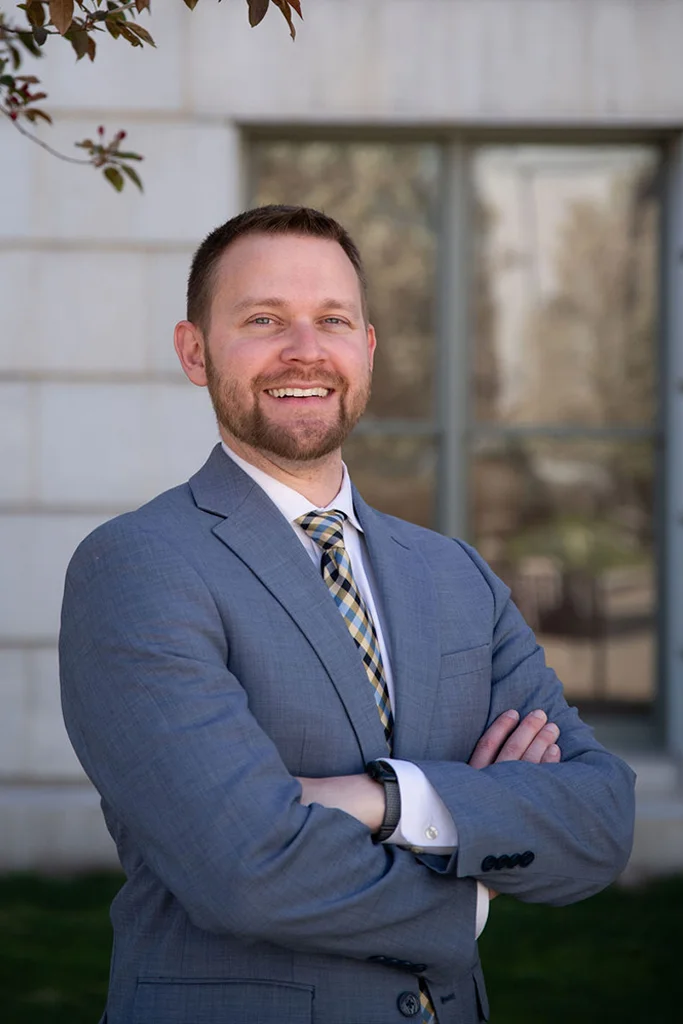
At DeChant Law, Reid approaches every case the same way regardless of geography: with genuine investment in what is at stake for the person sitting across from him. He built his foundation as a public defender in Denver, Broomfield, and Adams County, handling everything from traffic offenses to sexual assaults to homicides. That breadth of experience shapes how he reads a case now, whether it originates in Denver or in Grand County District Court.
How Resort-Town Charges Actually Develop
Winter Park is a ski resort town. That context matters in ways that do not show up in the statute books. A significant share of criminal charges in mountain resort communities involve people who are visitors, not residents. They drove up for the weekend, had a night out in one of the bars along Vasquez Road, and found themselves in a situation that escalated. Law enforcement in these environments operates differently than urban departments. Patrol patterns shift with ski season. The demographics of who is on the road change dramatically between summer and winter months.
DUI stops on Highway 40 and U.S. 40 through Fraser and Tabernash are common, particularly on Sunday afternoons when weekend visitors head back toward Denver and I-70. Officers are trained to watch for fatigued or impaired drivers making that mountain descent. A stop that begins as a routine traffic contact can quickly become a DUI investigation, a drug search, or worse.
Colorado’s express consent law applies the moment you are lawfully stopped and an officer has reasonable grounds to believe impairment is involved. Refusing a chemical test triggers an automatic license revocation through the DMV, separate from whatever the criminal case becomes. Reid has successfully challenged DMV express consent actions on multiple grounds, including improper advisements, procedural failures, and tests administered outside the required two-hour window. Those hearings require their own preparation and happen on a tight timeline.
Charges That Surface Frequently in Grand County
Assault cases in resort communities often stem from altercations in bars or at après-ski events. They can involve two strangers or, when a relationship is involved, they move into domestic violence territory immediately under Colorado law. A domestic violence designation changes everything about a case: mandatory arrest policies, no-contact orders issued before anyone fully understands what happened, and consequences that follow a person long after the criminal case closes. Loss of firearm rights, complications for professional licenses, and impact on child custody arrangements are all downstream effects that need to be considered from day one, not after a plea is entered.
Drug charges also appear with some frequency. The legal status of marijuana in Colorado does not eliminate all drug exposure. Driving with open containers, consuming in public spaces, or possessing concentrations that exceed legal limits can all produce charges. Harder controlled substances create more serious exposure, and what someone carries on their person during a ski weekend can follow them home as a felony.
Theft cases involving resort properties, including equipment theft and shoplifting from ski shops, are prosecuted actively in Grand County. The value of stolen property often determines whether a case is a misdemeanor or a felony. A set of stolen skis can exceed the felony threshold under Colorado’s graded theft statute, which is something people rarely anticipate when they make a poor decision in a moment.
What Grand County District Court Looks Like in Practice
Grand County District Court sits in Hot Sulphur Springs. For someone coming from Denver or the Front Range, that geography adds a logistical layer that affects every court date. Cases in Grand County do not move through the system the same way they do in a high-volume urban courthouse. Dockets are smaller, judges know the local bar, and the dynamics of a courtroom with few participants are different from a packed Denver courtroom where prosecutors are handling hundreds of files.
Reid’s training at Trial Lawyers College focused on storytelling and human connection in the courtroom, not just legal argument. In a smaller venue like Grand County, the ability to communicate clearly and humanly about a client’s circumstances matters as much as knowing the statutes. Prosecutors and judges in rural counties see fewer cases, which means individual cases receive more scrutiny, not less.
For defendants who live on the Front Range and picked up charges while visiting Winter Park, the challenge is practical as well as legal. Managing court appearances, staying current on case developments, and communicating with counsel becomes harder when the courthouse is 90 minutes away. DeChant Law handles those logistics as part of the representation, keeping clients informed at every stage so they are not scrambling to understand what is happening.
Answers to Questions Reid Hears from Winter Park Defendants
I was only visiting Winter Park when I was charged. Does that change anything?
Being a non-resident affects logistics but does not change the law that applies. You are subject to Colorado’s criminal statutes, and your case will proceed in Grand County regardless of where you live. Depending on the charge, you may or may not need to appear in person at every hearing. That is something to work out with counsel early.
I refused the breathalyzer on Highway 40. What happens now?
Refusing a chemical test triggers a DMV express consent action to revoke your license, separate from any criminal DUI charge. The DMV hearing has its own deadline and its own standards. Missing that window can result in automatic revocation. Reid has successfully challenged these actions in hearings across multiple counties and can evaluate whether grounds exist to fight yours.
The police say the altercation was domestic violence, but the other person was just a friend I was traveling with. Does that label stick?
Colorado defines domestic violence broadly, and it includes people in intimate relationships, which courts interpret to include dating relationships and some close personal relationships. Whether the label applies depends on the specific circumstances. It matters enormously because a domestic violence designation triggers mandatory no-contact orders, affects plea options, and carries long-term consequences beyond the immediate charge.
What is the realistic difference between a misdemeanor and a felony for something like a fight or a theft in Grand County?
The gap is significant. A felony conviction in Colorado affects voting rights during incarceration, firearm possession, professional licensing, housing applications, and employment. A misdemeanor carries its own consequences but sits in a different category entirely. Colorado does allow certain arrests and convictions to be sealed over time, but some felonies close off options that cannot easily be reopened.
I cannot afford to miss work to appear in Hot Sulphur Springs multiple times. What are my options?
In many cases, particularly for misdemeanors, an attorney can appear on a defendant’s behalf for certain hearings. Not every appearance requires your physical presence. Early in the process, Reid will map out what your actual court obligations are and help structure the case in a way that minimizes disruption to your life while protecting your interests.
Do Colorado drug possession charges from the ski trip follow me back to my home state?
A Colorado conviction is part of your permanent record and will appear in background checks regardless of where you live. If your home state has a reciprocal reporting agreement with Colorado, it may also affect any professional licenses you hold there. The downstream exposure depends heavily on what the charge is, how it resolves, and what your professional circumstances look like.
What should I actually do in the first 48 hours after a Grand County arrest?
Contact a defense attorney before making any statements to investigators. What you say voluntarily after an arrest can be used against you, and the informal setting of a follow-up call from a detective is not a casual conversation. Beyond that, document everything you remember about the circumstances while the details are fresh. That information is useful to counsel even if it never appears in court.
Facing Criminal Charges in the Fraser Valley
A charge picked up in Winter Park deserves the same level of preparation and commitment that a Denver case would receive. Reid brings genuine trial experience, including not-guilty verdicts and dismissals across multiple Colorado counties, to defendants wherever they find themselves in Colorado’s criminal system. Grand County cases benefit from the same approach that has produced results in Denver, Jefferson, Adams, Arapahoe, Douglas, and Broomfield courts. If you are dealing with criminal charges from Winter Park or anywhere in Grand County, DeChant Law is ready to get to work on your defense.