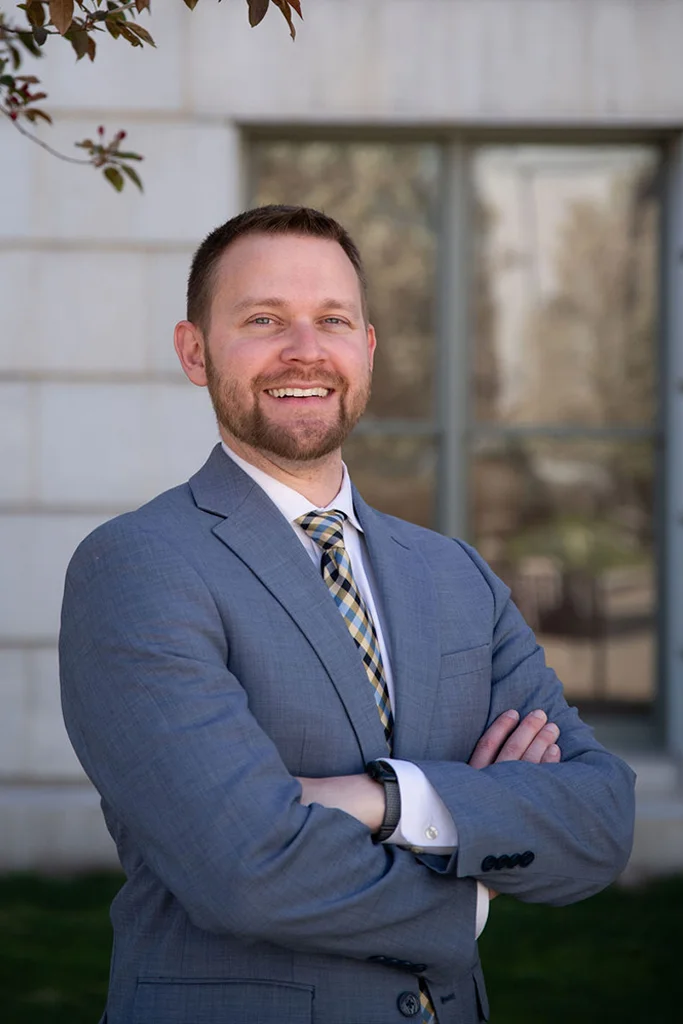
Trinidad Vehicular Assault and Homicide Defense Lawyer
A crash becomes a criminal case in an instant. What started as a traffic stop or accident investigation can shift into a felony charge that carries years in prison, permanent loss of your driver’s license, and a record that follows you for the rest of your life. Trinidad vehicular assault and homicide defense is not like defending a standard DUI or traffic violation. These charges require someone who understands how Colorado prosecutors build serious injury and death cases, how to challenge the forensic and physical evidence, and how to tell the complete story of what actually happened on that road. Reid DeChant of DeChant Law represents people facing these charges across Colorado, including those in Las Animas County and the Trinidad area.
What Colorado Law Actually Charges in Serious Driving Cases
Colorado draws a sharp line between accidents and crimes, but that line is not always where people expect it to be. Under Colorado law, vehicular assault occurs when a driver operates a vehicle in a reckless manner and causes serious bodily injury to another person, or when a driver causes serious bodily injury while under the influence of alcohol or drugs. Vehicular homicide follows the same framework but applies when a death results.
Recklessness is the critical word. Prosecutors do not need to prove you intended to hurt anyone. They need to show that you consciously disregarded a substantial and unjustifiable risk. What that looks like in practice is a wide range of scenarios: excessive speed on Highway 350 heading into Trinidad, an overcorrection on I-25 through Raton Pass, or a crash following an alleged impairment. Each comes with its own evidence problems and its own theory the prosecution will advance.
Vehicular assault as a DUI-related offense is a class 4 felony, carrying two to six years in prison and fines. Reckless vehicular assault is a class 5 felony. Vehicular homicide under the influence is a class 3 felony, with four to twelve years in the Department of Corrections. These are not suspended sentences in most cases. They are real prison terms, and a conviction also brings mandatory parole and a permanent criminal record.
How These Cases Are Built Against Drivers in Las Animas County
Trinidad sits along I-25 at the foot of the Spanish Peaks, and the highway corridor through Las Animas County sees regular law enforcement presence, particularly from the Colorado State Patrol. When a serious crash occurs in this area, the investigation that follows is immediate and layered. Troopers are trained to look for signs of impairment before debris is even cleared. Accident reconstruction specialists may be called to the scene.
The prosecution’s case typically rests on several types of evidence. Blood or breath test results are central when impairment is alleged. Accident reconstruction reports attempt to establish speed, braking, and point of impact. Witness statements, surveillance footage from highway cameras or nearby businesses, and data pulled from event data recorders in the vehicles all come into play. Cell phone records are frequently subpoenaed to show distraction.
Each of these evidence sources has weaknesses. Blood draws must be collected, stored, and analyzed under strict protocols. A break anywhere in that chain can undermine the result. Reconstruction opinions depend on assumptions about road conditions, vehicle weights, and driver behavior that a qualified expert can challenge. Cell data shows a phone was active, not necessarily that the driver was the one operating it at the time of impact.
Understanding how the Colorado State Patrol and Las Animas County prosecutors approach these cases matters. A defense built for a generic DUI is not the same as a defense built for a vehicular homicide prosecution. The stakes require a different level of preparation.
Recklessness Is Not the Same as an Accident
One of the most important distinctions in these cases is the difference between a tragic accident and criminal recklessness. Colorado law does not criminalize every crash, even ones that cause death. Prosecutors must prove the mental state element, and that is where a defense can often find real footing.
Road conditions on I-25 near Trinidad are notoriously unpredictable. Wind events, black ice, sudden weather changes crossing Raton Pass, and wildlife on the roadway all create hazards that have nothing to do with driver recklessness. A vehicle malfunction, a tire blowout, or another driver’s sudden movement can trigger a chain of events that a reasonable person could not have anticipated or avoided. These are not just sympathetic arguments. They are legally meaningful defenses that address whether the prosecution can actually meet its burden.
Reid’s background as a public defender and his training at Trial Lawyers College shapes how he approaches cases like these. He takes the time to understand a client’s full story before building any defense, because what actually happened matters, both in the courtroom and in how a jury receives the evidence. Jurors are people, and they want to understand the complete picture before they decide someone should go to prison.
Questions That Arise When Someone Faces These Charges
Can a vehicular homicide charge be reduced or dismissed?
Yes, though it depends entirely on the specific evidence and the facts of the case. Reductions from homicide to assault charges, from DUI-related to reckless theories, or outright dismissals do happen when the evidence does not support the original charge. Past results from DeChant Law include DUI cases dismissed at both the trial and DMV level, which reflects the type of scrutiny applied to every aspect of the prosecution’s case.
Does the DMV take separate action against my license even before a criminal conviction?
Yes. Colorado’s express consent law means that a chemical test refusal or a test result above the legal limit triggers a separate DMV action to revoke your driving privileges. This happens on a different track from the criminal case and requires its own hearing. Missing the deadline to request that hearing typically results in automatic revocation.
What happens if someone died but I don’t believe I was impaired?
Vehicular homicide can be charged under a recklessness theory even without any allegation of impairment. The prosecution would need to prove your driving conduct itself was reckless, not just negligent. The absence of alcohol or drug involvement is significant and shapes the entire defense strategy, including how to address accident reconstruction evidence and witness testimony.
Will I go to prison if convicted?
A conviction for vehicular homicide under the influence carries presumptive prison time in Colorado. Judges have some discretion in certain circumstances, but these are felony charges where incarceration is a real and common outcome. That reality is exactly why how the case is defended from the earliest stage matters so much.
Can the accident reconstruction report be challenged?
Absolutely. Reconstruction reports are expert opinions, not established facts. They rely on measurements, formulas, and assumptions that another qualified expert can examine, critique, and dispute. In cases where speed, point of impact, or driver behavior is contested, obtaining an independent reconstruction analysis is often one of the first steps in the defense.
What if I was driving for work when the crash occurred?
Employer involvement and commercial driving history can affect both the criminal case and any civil proceedings that run parallel to it. If you hold a commercial driver’s license, the consequences of a conviction extend far beyond this case. CDL holders face federal disqualification rules on top of Colorado’s criminal and administrative penalties.
How soon should I get a lawyer involved?
Immediately. The investigation begins at the crash scene and continues through the hours and days that follow. Physical evidence changes. Witness memories shift. Decisions made in the early hours, including what to say to law enforcement, can have lasting effects on how the case develops. The sooner a defense attorney is involved, the more options remain available.
Defending Clients Across Southern Colorado When It Matters Most
DeChant Law represents clients throughout the Denver metro and across Colorado, including those in Trinidad, Las Animas County, and the surrounding region. Whether a case originates along I-25 near the New Mexico border, on State Highway 12 through the Purgatoire Valley, or on a county road in the high plains east of town, Reid is prepared to travel and to handle the case through Las Animas County District Court. Distance does not reduce the quality of the defense.
For anyone in southern Colorado facing a Trinidad vehicular assault or homicide charge, reaching out early gives you the best opportunity to understand what you’re actually facing and what a real defense can look like in your specific situation. Reid handles these cases with the same preparation and tenacity he brings to every trial, because in cases like these, there is no substitute for a lawyer who is actually ready to fight.