
Telluride DUI Defense Lawyer
Telluride sits at the end of a box canyon in San Miguel County, accessible by a single two-lane highway. There is no passing through. Law enforcement knows who is coming and going, and DUI enforcement reflects that geography. Whether a stop happens on Colorado 145 heading toward Placerville, on Society Turn Road after a night out on Colorado Avenue, or at one of the few exits from the ski mountain, the circumstances of how Telluride area arrests unfold are different from a highway patrol stop on I-25. For anyone dealing with Telluride DUI defense, those local details matter far more than people often realize before they call a lawyer.
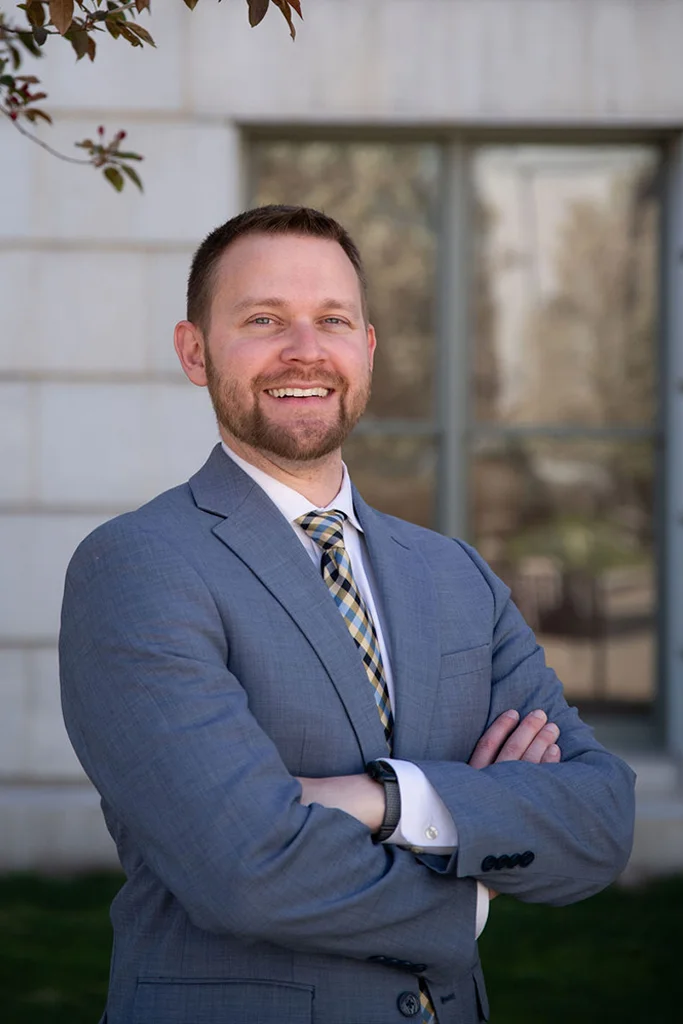
Reid DeChant brings a background that spans public defense work across Denver, Broomfield, and Adams County, along with private practice handling DUI and DWAI cases in courts across the Front Range and mountain communities. His approach is grounded in the actual mechanics of how these cases are built and where they break down, not in generalities.
Why Mountain DUI Cases Have Different Pressure Points
Telluride draws visitors from across the country for the ski season, the film festival, Bluegrass, and a dozen other events that define the town’s calendar. Many people arrested for DUI here are not San Miguel County residents. They are on vacation, traveling for work, or passing through for a weekend. That changes the calculus considerably. A conviction can affect a commercial driver’s license used back home, trigger professional licensing consequences for physicians or nurses who had no idea the Colorado charge would reach their career, or complicate an out-of-state license suspension process that operates on a timeline most people do not know is running.
Colorado’s express consent law applies in Telluride just as it does anywhere else in the state. When a driver is lawfully arrested on suspicion of DUI or DWAI, they are required to take a chemical test. Refusing that test triggers an automatic license revocation proceeding through the Colorado DMV, separate from whatever happens in the criminal case. That DMV hearing has a strict request deadline, typically seven days from the date of the arrest or the date the officer served the notice of revocation. Missing that deadline means losing the right to contest the revocation entirely. Many people arrested in Telluride do not learn about this deadline until it has already passed, because they were focused on the criminal charge or assumed one process covered both.
The elevation in Telluride, at around 8,750 feet, is a genuine factor in how alcohol affects the body and how field sobriety tests perform. Higher altitude accelerates impairment relative to sea level, meaning someone who drinks the same amount they might drink at home will feel and test differently at that elevation. Standard field sobriety test scoring was not designed with altitude as a variable. Certain physical conditions common in high-altitude environments, including dehydration, fatigue from skiing or hiking, and the effects of sunburn, can affect balance, eye movement, and coordination in ways that overlap with indicators officers are trained to look for.
What the DMV Hearing Decides, and Why It Runs Separately From Court
Colorado operates a dual-track system when a driver is arrested for DUI. The criminal case proceeds through the San Miguel County court system. The DMV revocation proceeding runs through the Colorado Department of Revenue and is governed by its own rules, its own standard of proof, and its own timeline. A dismissal in criminal court does not automatically undo a license revocation, and a revocation can be finalized even if the criminal case is still pending or ultimately results in a not-guilty verdict.
The DMV hearing is where Reid has won dismissals for his clients on grounds that might surprise someone unfamiliar with how the process works. Express consent advisements that were given incorrectly, chemical tests administered outside the two-hour window from the time of driving, improper stop procedures, and Miranda issues that affect the admissibility of certain statements have all resulted in dismissed DMV actions in cases Reid has handled. These are procedural and evidentiary fights, and they require someone who has done this work before, not someone learning on the job.
For Telluride visitors or part-time residents who hold an out-of-state license, the DMV piece has additional layers. Colorado will report a revocation to the driver’s home state through the Driver License Compact, and many states will then impose their own separate suspension. Knowing what that reporting triggers in a specific state, and whether there are ways to minimize the downstream effect, is part of the decision tree that deserves attention early in the case.
How Blood Tests and Breath Tests Get Challenged in Practice
Most DUI cases in Colorado mountain communities involve a blood draw rather than a breath test, because many rural agencies lack the equipment to administer a breath test in the field or at a station. Blood testing introduces its own set of variables. The chain of custody for a blood sample, the storage conditions, the calibration and maintenance records for the testing equipment, and the qualifications of the person who drew and analyzed the sample are all areas where the government’s evidence can be challenged if it does not meet the required standards.
A blood test result is not self-proving. It is a document generated through a process that has to have been followed correctly, from the moment the officer requested the draw through the laboratory analysis. When those records are pulled and reviewed, errors do appear. They do not appear in every case, but the only way to know whether they appear in a specific case is to demand the records and examine them carefully. That review is a standard part of how Reid approaches a DUI case, and it is the kind of work that does not happen if a client simply accepts the government’s number at face value.
Breath testing, where it does occur, involves its own set of maintenance and calibration requirements. Colorado regulates the approved devices and requires regular certification. If the Intoxilyzer used in a particular stop was overdue for calibration, if the required observation period before the test was not observed, or if the test was conducted under conditions that affect the result, those are potential grounds for challenging the evidence.
Questions People Ask Before Hiring a Telluride DUI Attorney
Can I fight a Telluride DUI charge if I live out of state?
Yes, and geography is not a bar to mounting a thorough defense. Many Telluride DUI cases involve non-residents. You will generally need to appear for certain hearings, though an attorney can often appear on your behalf for preliminary proceedings and limit the number of trips you need to make. The more immediate issue is that the DMV hearing deadline does not pause for travel logistics, so contacting a lawyer quickly after the arrest is important for preserving your options on the license side.
What happens to my license if I refused the blood test?
Refusal triggers a revocation that is generally longer than the revocation for a failed test, often one year for a first offense. The DMV hearing can still be requested and contested, but the grounds are somewhat narrower. Whether the officer followed the correct procedure in advising you of express consent and the consequences of refusal is one avenue. This is an area where the specific facts of your arrest determine what arguments are available.
Does altitude actually affect DUI cases legally, or is that just a defense myth?
Altitude is a recognized physiological reality, not a myth. Whether and how it affects a specific case depends on the evidence, the test used, and the facts of that arrest. It is more relevant as context for field sobriety test performance than for blood alcohol content results, though there is scientific discussion about its effects on certain testing methods. A lawyer reviewing your case can assess whether altitude-related arguments are supported by the evidence in your specific situation.
If the criminal case gets dismissed, is my license automatically reinstated?
No. The DMV proceeding and the criminal case are separate. A dismissal in San Miguel County court has no automatic effect on a revocation that was finalized through the DMV. This is one of the most consequential misunderstandings in DUI cases, and it is why addressing both tracks from the beginning matters.
How long does a DUI stay on my record in Colorado?
A DUI conviction in Colorado is not eligible for expungement or record sealing under current law. This makes the outcome of the initial case particularly significant, because the conviction, if it occurs, is permanent. Prior DUI convictions also count against a person if they face future charges, with escalating penalties starting at the second offense.
What does a first-offense DUI typically look like in terms of penalties?
Under Colorado law, a first DUI offense carries between five days and one year in jail, fines ranging from $600 to $1,000, a nine-month license suspension, up to 96 hours of community service, and required alcohol education. Actual outcomes vary significantly based on the facts, the county, and how the case is handled. Many first-offense cases do not result in jail time, but the statutory range remains.
What is the difference between DUI and DWAI in Colorado?
DWAI, driving while ability impaired, applies when a driver’s BAC is between 0.05% and 0.079%, or when the driver is impaired to any degree by alcohol, drugs, or a combination. It carries lighter penalties than a DUI but is still a criminal conviction and still triggers a DMV process. Some cases that begin as DUI charges are resolved as DWAI, depending on the evidence and negotiations.
Reach Reid DeChant About Your Telluride Impaired Driving Case
The window for preserving your options after a DUI arrest in Telluride is shorter than most people expect. The DMV hearing request deadline does not wait for you to finish sorting out the rest of the trip home or to decide how seriously to take the charge. Reid DeChant has handled DUI cases from first offense through felony fourth, as well as DMV hearings that have been dismissed on procedural and evidentiary grounds. If you want someone who understands how these cases are built and what it actually takes to fight them, contact DeChant Law about your Telluride DUI defense.