
Salida Assault Lawyer
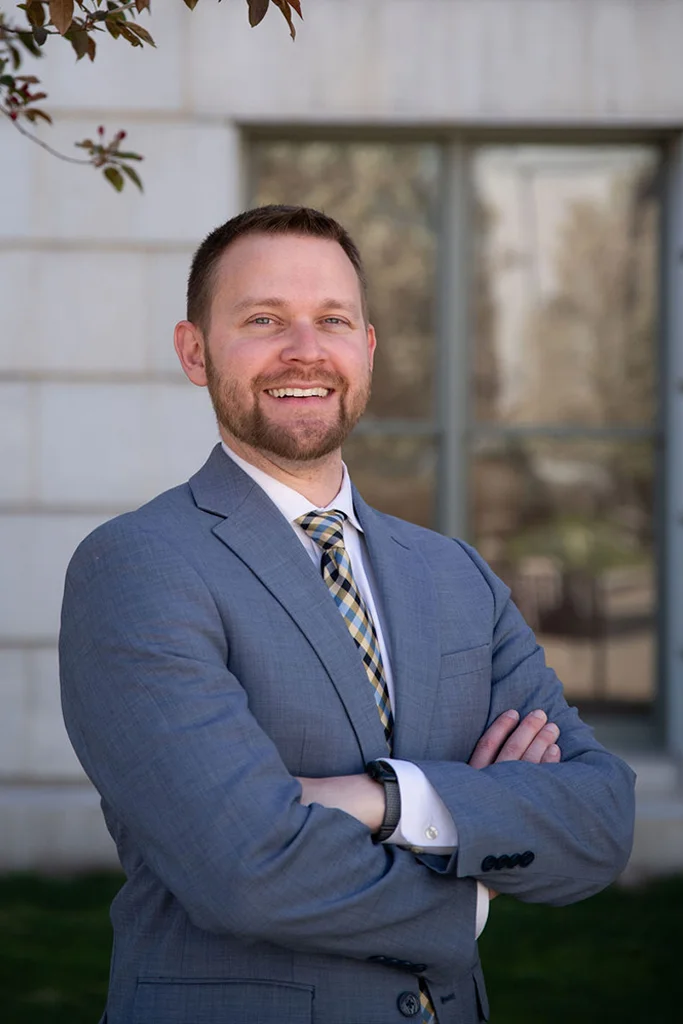
Assault charges in Chaffee County carry real weight. A conviction can follow someone through background checks, employment applications, housing decisions, and professional licensing reviews for years. Whether the charge stems from an argument that escalated at one of Salida’s local bars, a dispute on the Arkansas River during rafting season, or a domestic incident, the criminal process moves quickly and the decisions made in the first few days matter. Reid DeChant at DeChant Law has handled assault cases across Colorado’s Front Range and mountain communities, and he brings that courtroom-tested background to people facing these charges in Salida and throughout Chaffee County.
What Colorado Actually Charges Under “Assault”
Colorado breaks assault into three degrees, and which one a prosecutor reaches for shapes everything about how a case unfolds. Third degree assault is a class 1 misdemeanor, typically charged when someone knowingly or recklessly causes bodily injury to another person, or through criminal negligence causes injury with a deadly weapon. Despite being the lowest tier, a misdemeanor assault conviction still lands on a permanent criminal record, can result in mandatory treatment or probation, and becomes a serious problem if there is any domestic violence designation attached to it.
Second degree assault is a class 4 felony. Prosecutors file it when they allege serious bodily injury, the use of a deadly weapon, or when the alleged victim is a police officer or other protected person. This charge carries presumptive prison time in Colorado, meaning the court starts from the assumption of a prison sentence rather than probation. That presumption can be overcome, but it requires a deliberate defense built on solid legal and factual arguments.
First degree assault is a class 3 felony and involves allegations of intent to cause serious bodily injury, often with a deadly weapon. These charges are prosecuted aggressively, and the gap between a conviction and an acquittal can come down entirely to how well the facts are developed and presented at trial.
In Chaffee County, cases are heard in the Chaffee County District Court in Salida. The courtroom dynamic in a smaller county is different from Denver or Jefferson County. Prosecutors and judges know each other, local law enforcement has established relationships with the DA’s office, and the community context of an incident often works its way into how a case is perceived. That local texture matters when building a defense.
The Domestic Violence Tag Changes the Trajectory Immediately
Colorado law requires law enforcement to make an arrest when there is probable cause to believe a crime involving domestic violence occurred. That mandatory arrest policy means that by the time police leave the scene, someone is already in custody, regardless of what either party says happened or wants to happen next. Once the DA’s office has the case, the alleged victim does not control whether charges are pursued. Prosecutors in Colorado routinely proceed even when the complaining witness asks them to drop the matter.
A domestic violence designation attached to any assault charge brings additional consequences that go well beyond the base criminal penalties. Federal law prohibits people convicted of misdemeanor domestic violence from possessing firearms. That matters to hunters, people who work in security, veterans, and many others in Chaffee County. Protective orders get issued as a condition of bond in nearly every case, which can displace someone from their home before any conviction occurs. Employers run background checks and see the pending charge. Custody arrangements can shift based on a protective order alone.
Reid has tried domestic violence assault cases from start to finish, including a strangulation charge where the DA dismissed at trial, and a harassment case out of Adams County that ended in a dismissal at trial. That trial experience is not incidental, it is the kind of preparation that changes what a prosecutor offers at the negotiating table.
What Defense Work Actually Looks Like on an Assault Case
Every assault case is built around what the evidence actually shows, not what the police report says happened. Police reports are written from one perspective, often hours after the incident, and they reflect what law enforcement chose to document. A defense attorney’s job starts with asking what else is there.
In Salida, that might mean pulling surveillance footage from downtown businesses near the Monarch Spur trail area or along F Street, tracking down witnesses who were present at a river access point or a local event, or examining the medical records that describe an injury to determine whether the description in the report actually matches what happened. Self-defense is a recognized legal defense in Colorado. Mutual combat situations, cases where the alleged victim was the initial aggressor, and incidents where the force used was proportional to a genuine threat can all support a defense theory.
In some cases, the issue is not whether something happened but whether it rises to the legal standard required for the charge filed. Prosecutors sometimes overcharge, and part of defense work is holding the charge up against the actual evidence and arguing for reduction or dismissal where the facts do not support the level alleged.
For cases heading to trial, Reid draws on his training at Trial Lawyers College, which focuses on courtroom storytelling as a skill. That means presenting the client’s actual story to a jury in a way that connects, not just reciting legal arguments. In a smaller community like Salida, where jurors may have some connection to local events or venues, how a story is told in the courtroom genuinely matters.
Questions People Ask About Assault Charges in Salida
Can assault charges be reduced to something less serious?
Yes. Prosecutors do negotiate, and many assault cases resolve through a plea to a reduced charge or with conditions like deferred judgment that can keep a conviction off a permanent record. Whether that outcome is achievable depends on the specific facts, the evidence, the alleged victim’s position, and how early and how effectively defense counsel engages with the case.
What happens if the alleged victim says they don’t want to press charges?
In Colorado, that decision is made by the district attorney, not the alleged victim. The DA’s office can and frequently does proceed with charges over a victim’s objection. Defense counsel can present information about the victim’s position as part of plea negotiations, but it does not automatically end the case.
Will I go to prison for a second degree assault charge in Colorado?
Second degree assault is subject to Colorado’s mandatory sentencing laws for crimes of violence, which creates a presumption toward incarceration. That does not mean prison is inevitable. There are legal arguments that can affect whether the mandatory sentencing scheme applies, and plea negotiations can address the final charge and its sentencing exposure. This is exactly the kind of case where having a trial lawyer with real courtroom experience, rather than someone who primarily handles paperwork, makes a difference.
How long does an assault case take in Chaffee County?
Felony cases typically take longer than misdemeanors due to the additional procedural steps involved, including preliminary hearings and more extensive discovery. In a smaller county like Chaffee, docket scheduling can sometimes move cases through more quickly than in urban courts, but felonies realistically take several months from filing to resolution.
Can a protective order be modified if I’ve been removed from my home?
Protective orders issued at the time of arrest are set by the court, and modifying them requires a formal motion and a hearing. If the conditions are causing genuine hardship and the circumstances support it, a defense attorney can request a modification. This is worth addressing promptly rather than waiting, particularly when children or shared housing are involved.
What if I was defending someone else during the incident?
Defense of others is a recognized legal defense in Colorado. If someone used force to protect another person from what they reasonably believed was an unlawful attack, that can justify the use of force. The specifics matter: whether the threat was real, whether the response was proportional, and what the evidence shows about who initiated the confrontation.
Does it help to hire a lawyer who has actually taken assault cases to trial?
Substantially. Prosecutors approach negotiations differently when they know defense counsel will actually take a case to verdict rather than accepting whatever is offered. Trial experience also changes how a defense is built from the start, because every decision along the way is made with the question in mind of what this looks like in front of a jury.
Talking to a Salida Assault Defense Attorney Before This Moves Any Further
Assault cases in Chaffee County do not pause while someone decides whether to get legal help. Prosecutors gather evidence, bonds get set with conditions attached, and the early stage of a case often determines what is possible later. Reid DeChant has defended assault charges across Colorado, including cases that went to trial and came back not guilty. If you are facing an assault charge in Salida or anywhere in Chaffee County, reaching out to DeChant Law early gives your case the best foundation. A Salida assault defense attorney who prepares from day one handles the case differently than one who shows up close to a deadline.