Rifle Vehicular Assault and Homicide Defense Lawyer
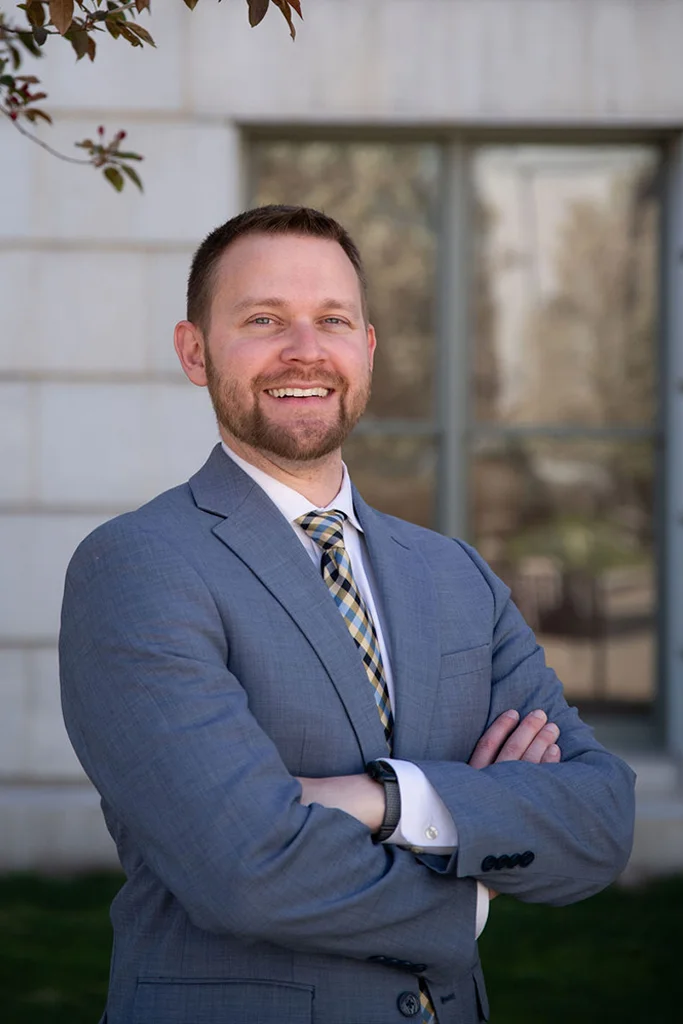
A crash becomes a criminal case fast. What starts as an accident investigation can turn into felony charges before anyone fully understands what happened. Rifle vehicular assault and homicide defense requires a lawyer who understands how Colorado prosecutors build these cases, what evidence they lean on, and where that evidence can be challenged. At DeChant Law, Reid brings courtroom experience from felony cases across the Front Range and Western Slope, and he is not afraid to take a case to trial when that is what the situation demands.
What Separates Vehicular Assault from Vehicular Homicide in Colorado
Colorado treats these as two distinct felony charges, though they often arise from similar facts. The difference, in most cases, comes down to whether someone died.
Vehicular assault applies when a driver causes serious bodily injury to another person while operating a vehicle under the influence of alcohol or drugs, or while driving in a reckless manner. Under Colorado law, driving recklessly means consciously disregarding a substantial and unjustifiable risk. That standard is broader than people expect. A single bad decision behind the wheel, even without any alcohol involved, can satisfy it.
Vehicular homicide involves the same basic conduct but results in a death. The DUI version is a class 3 felony. The reckless version is a class 4 felony. Both carry potential prison sentences, parole, and consequences that follow a person for decades.
In Rifle and Garfield County, prosecutors handling these cases are often working with accident reconstruction reports, toxicology results, and witness accounts gathered while the defendant was still at the scene and did not yet understand what was at stake. That asymmetry matters when building a defense.
How Colorado Prosecutors Build These Cases in Rural Counties
Garfield County cases run through the Ninth Judicial District. The DA’s office there handles everything from Glenwood Springs to Rifle to Parachute. Vehicular assault and homicide charges tend to draw serious prosecutorial attention because they involve visible harm, often media coverage, and community pressure to hold someone accountable.
The prosecution’s case typically rests on three pillars. First, the physical evidence from the crash scene itself, including skid marks, vehicle damage, road conditions, and any available camera footage from intersections or nearby businesses along Highway 6, Highway 13, or I-70 near Rifle. Second, any chemical test results, whether a roadside breathalyzer, a blood draw, or a drug recognition evaluation. Third, witness statements, including those from emergency responders who arrived and formed impressions before a full investigation was complete.
Each of those pillars has vulnerabilities. Accident reconstruction is an interpretive science, not an exact one. Blood test results depend on proper chain of custody and timely collection. Witness accounts are shaped by chaos, distance, and assumption. Reid’s experience as a public defender handling serious felonies, including assault and homicide-adjacent charges, means he knows how to interrogate these sources of evidence rather than accept them at face value.
The DUI Component and Why It Changes Everything
When alcohol or drugs are part of a vehicular assault or homicide charge, the case becomes more complex and the stakes climb considerably. A DUI-based vehicular homicide carries a presumptive prison sentence of four to twelve years as a class 3 felony, with extraordinary risk enhancements possible depending on the circumstances.
Colorado’s express consent law means that anyone driving on the state’s roads has implicitly agreed to chemical testing. A refusal carries automatic license consequences through DMV proceedings, which run entirely separate from the criminal case. Reid has a documented record of challenging and winning DMV express consent actions, including dismissals based on improper advisement, procedural violations, and testing window issues. Those hearings matter. They are not a formality.
In drug-related cases, the chemistry becomes its own battlefield. THC metabolites can persist in blood long after impairment has passed. Prescription medications can produce test results that look alarming in isolation but mean something different in clinical context. Building a defense here often means working with expert witnesses who can speak to what a toxicology number actually tells a jury and, more importantly, what it does not.
Questions That Come Up in These Cases
Can vehicular assault charges be reduced or dismissed?
Yes. Charges can be reduced or dismissed based on problems with evidence, constitutional violations during the investigation, or factual disputes about what actually caused the collision. Prosecutors sometimes overcharge based on initial reports. A thorough review of the evidence can shift that dynamic significantly.
What if I was not impaired but the crash was still serious?
The DUI version of these charges requires impairment, but the reckless version does not. Reckless driving is a lower bar than most people realize. However, there is a real legal difference between recklessness and negligence, and that distinction can determine whether someone faces a felony or a lesser charge. That argument is worth making.
Does it matter that I had no prior criminal record?
Prior record is relevant at sentencing and sometimes in plea negotiations, but it does not determine guilt. A clean record can influence a prosecutor’s willingness to discuss alternatives and a judge’s sentencing discretion. It is a factor, not a guarantee of any particular outcome.
Will I lose my driver’s license?
License revocation is likely, especially when a DUI is involved. The DMV process is separate from the criminal case and has its own timeline. Acting quickly to request a DMV hearing preserves options that disappear if nothing is done within the required window after arrest.
What if the person injured or killed was a passenger in my vehicle?
The law does not treat passenger victims differently than pedestrians or occupants of other vehicles. Prosecutors can and do file vehicular assault or homicide charges when the victim was in the defendant’s own car. The relationship between the parties may affect how a case is presented to a jury, but it does not change the charge itself.
Could I face both a civil lawsuit and criminal charges for the same crash?
Yes. A criminal conviction can be used as evidence in a civil case. The two proceedings move on separate tracks, but decisions made in one can affect the other. Defense strategy needs to account for both.
How long do these cases take in Garfield County?
Felony cases in the Ninth Judicial District take time. Accident reconstruction reports, toxicology results, and expert opinions all add to the timeline. It is not unusual for a serious vehicular assault or homicide case to take a year or more from arrest through resolution, whether by trial or otherwise.
Facing a Vehicular Felony Charge in the Rifle Area
Reid DeChant has defended serious felony charges through both the public defender system and private practice. He has taken cases to trial when that was the right call, earning not guilty verdicts on charges including DUI, assault with a deadly weapon, and other felonies. That trial experience is not incidental. Prosecutors know whether the lawyer across the table will actually try a case or whether they are looking for a way out. It changes how cases resolve.
Western Colorado presents its own realities. Garfield County has stretches of road where crashes are common, including on I-70 through Glenwood Canyon, Highway 13 heading north toward Meeker, and rural county roads where conditions change quickly in winter. The communities are smaller, juries are drawn from a tighter pool, and local reputation carries weight. Understanding that environment matters when preparing a defense.
Reid approaches these cases the way he approaches every serious charge: by understanding the client’s full story and building a defense that reflects the actual facts, not just the prosecution’s version of them. That starts with an honest conversation about what happened and what the evidence actually shows.
If you or someone close to you is facing a vehicular assault or homicide charge in Rifle, Glenwood Springs, or anywhere in Garfield County, DeChant Law is available to talk through what you are up against and what a realistic defense looks like. Contact DeChant Law to speak directly with Reid about your case.