Rifle Felony Lawyer
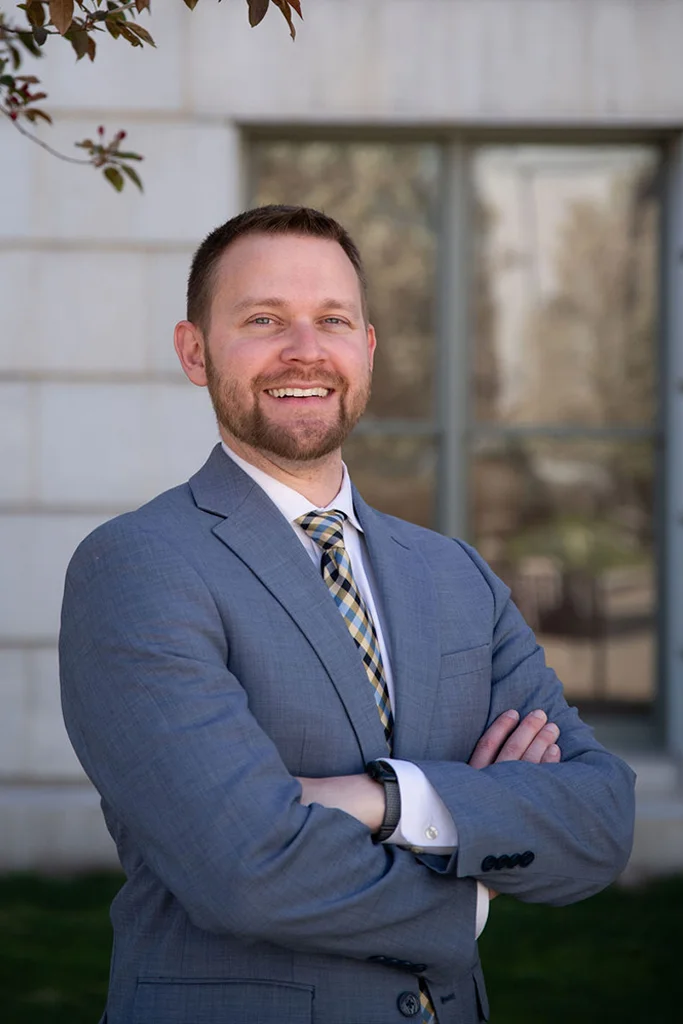
A felony charge in Garfield County carries consequences that extend far beyond any sentence a judge hands down. Convictions can strip away voting rights, firearm rights, housing options, and professional licenses. They follow people through background checks for years. If you are looking at a Rifle felony lawyer, you are already aware that the stakes here are different from a misdemeanor, and you need counsel that treats them that way. Reid DeChant at DeChant Law has handled felony cases from the public defender’s office through private practice, defending charges ranging from assault to drug offenses to homicides.
What Felony Classification Actually Means for Your Case in Garfield County
Colorado divides felonies into six classes, with Class 1 carrying the most severe penalties and Class 6 the least. Where your charge lands on that scale determines the presumptive sentencing range a judge must work within, though aggravating and mitigating factors can push sentences above or below that range.
Class 1 and Class 2 felonies include offenses like first-degree murder and sexual assault and can result in decades or life imprisonment. Class 3 through Class 5 felonies cover a wide middle ground, including charges like burglary, robbery, certain drug distribution offenses, and assault with a deadly weapon. Class 6 felonies, sometimes called “wobblers” in practice, sit closest to the misdemeanor line and occasionally get reduced through negotiation or deferred judgment.
There is also a separate category: drug felonies, labeled DF1 through DF4. Colorado’s drug sentencing framework is distinct from the standard felony classes and often includes diversion pathways that don’t exist for violent offenses. Whether your charge falls under the standard felony or drug felony framework shapes almost every strategic decision in your case.
Garfield County cases are prosecuted through the Ninth Judicial District, which covers Garfield, Pitkin, and Rio Blanco Counties. The District Attorney’s Office in that district has its own charging patterns and plea practices. Understanding how cases actually move through that specific courthouse matters. A defense attorney who appears routinely in Denver courts but rarely in Glenwood Springs is working in unfamiliar territory from day one.
Charges That Commonly Lead to Felony Prosecution in the Rifle Area
Garfield County sits in a region with a strong energy sector workforce, significant highway traffic along I-70 and Highway 13, and a rural character that shapes how law enforcement operates. Certain charge types appear with regularity.
Drug distribution and possession with intent to distribute account for a substantial portion of felony filings. Proximity to I-70 makes Rifle a corridor for drug trafficking cases, and large-quantity possession charges are aggressively prosecuted. The difference between a possession charge and a distribution charge often comes down to the quantity found, packaging, and the presence of other items like scales or cash. Those distinctions are worth challenging.
Assault charges at the felony level, including second-degree assault and assault with a deadly weapon, arise frequently. The Garfield County area, like much of rural Colorado, sees domestic violence charges elevated to felony status when strangulation is alleged or when a defendant has prior convictions. Mandatory arrest policies and protective orders get triggered quickly, and those early case dynamics can define what options are available later.
Weapon charges are another category. Colorado law on illegal possession, prohibited use, and concealed carry violations intersects with federal law in ways that can produce both state and federal exposure. Anyone in the Rifle area with a prior felony conviction faces heightened risk from any encounter involving firearms.
Theft by receiving, burglary, and property crime charges round out the picture. These tend to involve complex evidence questions about knowledge, intent, and identification, and they are frequently overcharged relative to what the facts actually support.
How Felony Defense in Rifle Is Actually Built
Reid’s background includes time as a public defender where he handled cases across the full spectrum of criminal charges. That experience carries something specific: exposure to the volume and variety of cases that private attorneys rarely see, and a firsthand understanding of how prosecution and defense strategies develop against each other.
At Trial Lawyers College, Reid focused on the power of storytelling in the courtroom. That is not a marketing phrase. In a felony trial, the difference between a conviction and an acquittal often comes down to which version of events a jury accepts as true. Evidence is rarely one-sided. Witnesses have histories. Police procedures have gaps. Lab results have margins of error. Building a defense means accounting for all of it, not just the parts that look favorable on the surface.
Case outcomes from DeChant Law’s record include Not Guilty verdicts on two counts of Assault with a Deadly Weapon, a Not Guilty verdict on Failure to Register as a Sex Offender, and a court dismissal on a Felony Menacing charge upon motion. These are actual results. They illustrate that felony charges can be defeated at trial and through pretrial motions, not just mitigated through plea negotiations.
That said, not every case should go to trial. Plea negotiations that produce a reduction from a Class 4 to a Class 6, or from a felony to a misdemeanor, can be the right outcome depending on the evidence, the client’s history, and their priorities. The job is to know the difference and pursue it honestly.
Questions People Facing Felony Charges in Rifle Actually Ask
Will I go to prison if convicted of a felony in Colorado?
Not automatically. Colorado has presumptive sentencing ranges for each felony class, but judges have discretion within those ranges and can consider alternatives like probation for certain offenses and defendants without serious criminal histories. Class 6 felonies, in particular, often result in probation for first-time offenders. Higher classes and violent offenses carry greater prison risk.
Can a felony charge get reduced or dismissed before trial?
Yes, and this happens more often than people expect. Prosecutors sometimes overcharge initially. When defense counsel presents strong evidence that the facts don’t support the charged offense, or when constitutional violations affected how evidence was gathered, charges can be reduced or dropped before trial ever occurs. Pretrial motions are an underused tool in many cases.
What happens to my driver’s license if I’m convicted of a felony in Colorado?
It depends on the charge. Drug felonies historically triggered automatic license suspensions, though Colorado law has shifted in recent years. DUI felonies carry their own separate license consequences through the DMV. Other felonies do not automatically affect driving privileges, but probation conditions can impose restrictions.
Do I have to disclose a felony conviction to employers in Colorado?
Colorado has “ban the box” laws that restrict when employers can ask about criminal history during hiring. However, background checks are still common after conditional offers, and certain industries are exempt. A sealed or expunged record reduces disclosure obligations, but eligibility for record sealing depends on the specific offense and conviction history.
What is a deferred judgment and how does it work?
A deferred judgment is an agreement where a defendant pleads guilty, but sentencing is postponed while they complete conditions like probation, community service, or treatment. If they complete those conditions successfully, the plea is withdrawn and the charge is dismissed. Not all offenses qualify, and deferred judgments have their own risks if conditions are violated.
Can I appeal a felony conviction in Colorado?
Yes. Colorado has a direct appeal process through the Court of Appeals and, in limited circumstances, the Supreme Court. Appeals are based on legal error, not simply disagreement with the verdict. Separate from direct appeal, postconviction relief motions can address ineffective assistance of counsel or newly discovered evidence.
How long does a felony case typically take in Garfield County?
It varies significantly. A straightforward Class 6 felony might resolve in a few months through plea negotiations. Complex cases involving multiple charges, significant evidence, or trial preparation can take a year or more. The Ninth Judicial District has its own docket and scheduling practices that affect timing.
Reach Out to a Rifle Felony Defense Attorney at DeChant Law
A felony prosecution is not something to navigate with a lawyer who is learning on your file. Reid DeChant has spent his career in courtrooms, taking cases to trial and achieving results that reflect genuine preparation and honest advocacy. If you are facing a felony charge in Rifle or anywhere in Garfield County, DeChant Law is available to review what you are up against and give you a realistic assessment of where your case stands. Contact the firm to schedule a consultation with a Rifle felony defense attorney who will tell you the truth about your options.