La Plata County Felony Lawyer
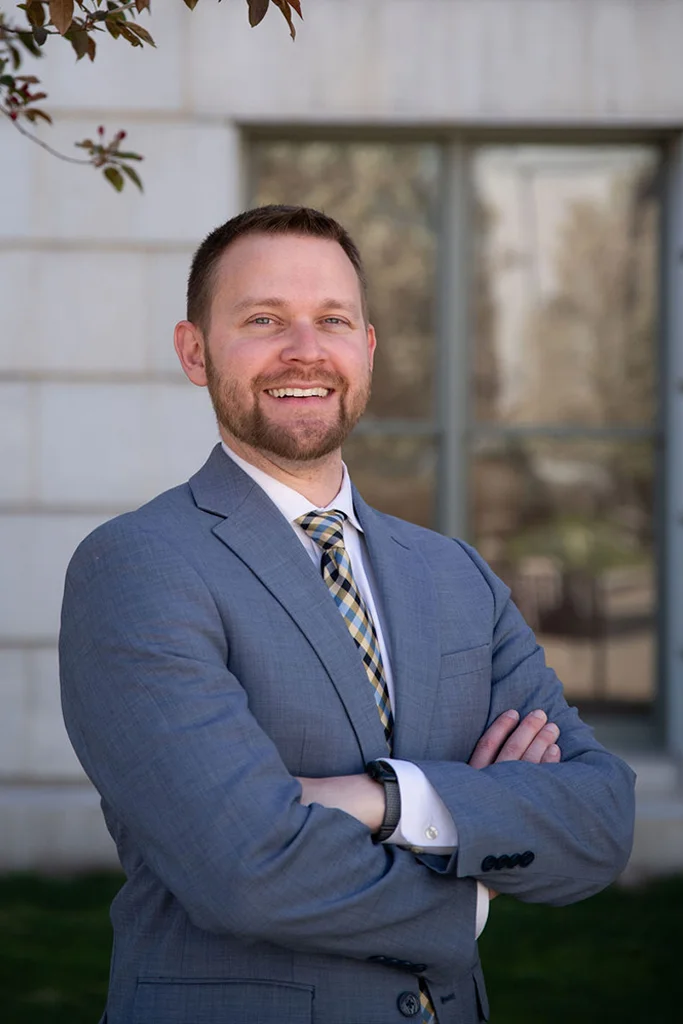
A felony charge in La Plata County carries consequences that extend well beyond whatever the sentencing chart says. We are talking about a permanent criminal record that follows you through background checks, housing applications, professional licensing boards, and firearm rights. When you are looking at a Class 2 felony versus a Class 5 felony, the difference between probation and a decade in the Colorado Department of Corrections often comes down to how the case was built and challenged. Reid DeChant is a La Plata County felony lawyer who has worked these cases from both sides of the courtroom, first as a public defender and then in private practice, and he brings that full picture to every defense he builds.
How La Plata County Felony Cases Are Actually Prosecuted
The Sixth Judicial District handles felony cases out of Durango, covering La Plata County along with Archuleta and San Juan counties. That jurisdiction matters practically. The Sixth is a smaller district than the metro Denver courts, which means prosecutors and judges have more familiarity with repeat cases and local defendants, and local law enforcement agencies, including the La Plata County Sheriff’s Office and Durango Police Department, work closely with the District Attorney’s office from early in the investigation.
Most felony cases in La Plata County start with a county court appearance on a summons or following arrest. If the DA moves forward, the case proceeds to district court for a preliminary hearing or direct information filing. From there, you are looking at arraignment, discovery, potential motions hearings, and eventually either a negotiated resolution or trial. The timeline from arrest to resolution in a contested felony can easily stretch across six months to a year or longer, and what happens in the early stages, especially during the investigation phase before charges are even filed, often shapes everything that follows.
Durango and the surrounding La Plata County area also sees a meaningful volume of drug-related felonies connected to trafficking routes through Southwest Colorado, as well as assault and domestic violence charges, theft and property crime, and weapons offenses. The outdoor recreation economy and the college-town environment around Fort Lewis College both generate their share of cases too. Understanding the local prosecution culture is not a small thing when your attorney is deciding whether to push toward trial or negotiate aggressively on a plea.
What Felony Classification Actually Means for Your Sentence
Colorado divides felonies into six classes, with Class 1 being the most serious. The range matters enormously because the presumptive sentencing range for a Class 3 felony, for instance, sits between four and twelve years in prison, while a Class 6 felony carries presumptive probation and a potential prison term of twelve to eighteen months. Whether a charge lands in one class or another is sometimes determined by the specific facts alleged, and a defense attorney’s ability to contest those facts or negotiate a different charge level can be the difference between prison and supervised probation.
Beyond the base sentence, La Plata County felony convictions can trigger sentence enhancers that add mandatory prison time. Prior felony convictions, use of a weapon, crimes targeting vulnerable victims, and gang-related allegations can all push a sentence above the presumptive range. Getting ahead of those potential enhancers, understanding whether they actually apply legally to your specific facts, is part of the work that begins long before trial.
Drug felonies in Colorado follow a separate classification scheme under the Drug Felony level structure, from DF1 through DF4. Drug cases also open up treatment-based sentencing alternatives that do not exist in the same way for violent felonies, and those alternatives are worth fighting for if they apply to your situation.
Where Felony Defenses Actually Get Built
Strong felony defense rarely comes from a single dramatic argument at trial. It comes from a methodical review of everything the prosecution will use to prove its case. That starts with the arrest itself. Was there probable cause? Was the stop lawful? Were search warrants issued based on reliable information, or were they obtained on thin or misleading affidavits? Evidence seized without proper legal authority can be suppressed, and once evidence is suppressed, charges sometimes collapse or become far easier to negotiate down.
In La Plata County cases, physical evidence, digital records, witness statements, and body camera footage from local law enforcement are all part of the discovery process. Reid reviews discovery not just for what it shows, but for what is missing. Gaps in the chain of custody, delayed lab testing, witnesses with credibility problems, and statements taken in violation of Miranda rights are all potential pressure points. The prosecution’s case is only as strong as the evidence, and that evidence is always worth scrutinizing.
Trial preparation is a separate discipline. Reid has tried cases to not guilty verdicts across multiple Colorado counties, including DUI and assault cases. At Trial Lawyers College, he studied the craft of courtroom storytelling, which is less about theatrical performance and more about helping a jury understand the full human context of what happened. That matters in felony trials, where the stakes for the person sitting at the defense table are real and significant.
Questions People Have About Felony Cases in La Plata County
Can a felony charge be reduced to a misdemeanor in Colorado?
Yes, in some cases. Charge reductions happen through plea negotiations with the District Attorney, and they also sometimes result from successful motions that weaken the prosecution’s case. Whether a reduction is available depends heavily on the specific charge, the facts, your criminal history, and what the evidence actually supports. It is not guaranteed, but it is worth exploring as part of any defense strategy.
What happens at a preliminary hearing in a La Plata County felony case?
A preliminary hearing is a district court proceeding where the prosecution must show probable cause that a felony was committed and that you committed it. The standard is lower than at trial, but the hearing still matters because it forces the prosecution to present evidence early, gives your attorney a chance to cross-examine witnesses, and can result in charges being dismissed or reduced if the evidence falls short.
Will I go to jail while my felony case is pending?
That depends on the bond conditions set at your first appearance. Many felony defendants are released on bond, sometimes with conditions like check-ins, GPS monitoring, or stay-away orders. Violent felony charges and prior criminal history increase the likelihood of a higher bond or detention. An attorney can argue for bond conditions that allow you to return to work and your family while the case proceeds.
Does a felony conviction in Colorado affect gun rights?
Yes. A felony conviction under Colorado and federal law prohibits you from possessing firearms. That prohibition is permanent unless rights are specifically restored through a legal process, which is limited and not available in all situations. If your case involves a weapons charge, or if firearm rights are important to you professionally or otherwise, that consequence needs to be part of the defense discussion from the start.
How long does a La Plata County felony stay on my record?
Most felony convictions cannot be sealed in Colorado, though there are narrow exceptions for certain drug felonies and other limited categories. Arrests that do not result in convictions are generally sealable. This is one reason why fighting for a dismissal, acquittal, or reduction to a non-felony charge matters beyond just avoiding prison time. A conviction that cannot be sealed will affect background checks indefinitely.
Can charges be dismissed before trial?
Yes. Motions to dismiss based on insufficient evidence, constitutional violations, or procedural defects can result in charges being dropped. Evidence suppression motions that gut the prosecution’s case sometimes lead the DA to dismiss rather than proceed to trial without their key evidence. Dismissals happen, but they require specific legal grounds and the preparation to support them effectively.
What should I do if I am under investigation but have not been charged yet?
Getting an attorney involved before charges are filed can genuinely change your situation. What you say to investigators, what you voluntarily hand over, and how you present yourself during that window matters. An attorney can communicate with law enforcement on your behalf, advise you on what not to do, and in some cases engage with the prosecutor early enough to influence charging decisions.
Working with a Felony Defense Attorney in Southwest Colorado
Felony charges in La Plata County deserve honest, direct representation from a lawyer who has actually been in courtrooms, not just conference rooms. DeChant Law handles felony cases throughout the Denver metro area and takes serious cases in jurisdictions across Colorado, including the Sixth Judicial District. Reid’s background as a public defender gave him an understanding of how these cases move through the system and what clients actually need when they are facing the most consequential legal situation of their lives. That foundation, combined with private practice trial experience, is what he brings to every La Plata County felony case. Reach out to discuss the charges and get a clear read on where things stand with a Southwest Colorado felony defense attorney who will give it to you straight.