Jefferson County Felony Lawyer
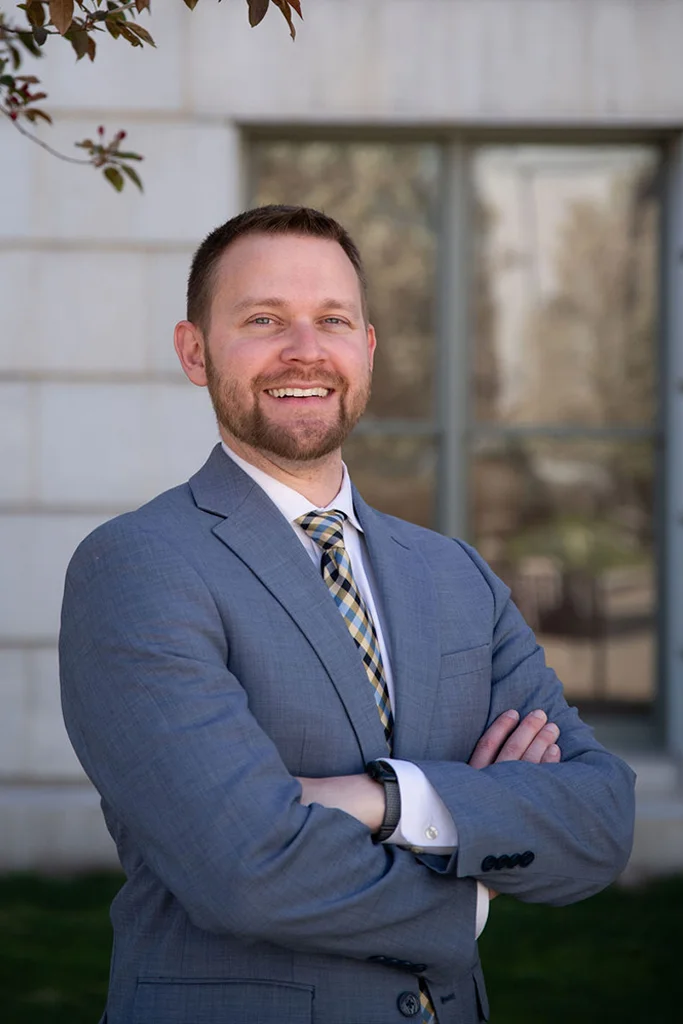
A felony charge in Jefferson County is not an abstract legal problem. It is a direct threat to your freedom, your record, and every opportunity that depends on a clean background. Jefferson County felony lawyer Reid DeChant has handled serious criminal charges from the public defender’s office to private practice, and he understands exactly how the Jefferson County District Attorney’s office approaches these cases and what it takes to push back effectively.
What Jefferson County Prosecutors Are Actually Working With
The Jefferson County District Attorney’s office handles cases out of the Golden courthouse, and they are well-resourced. On serious felonies, prosecutors often build their cases around physical evidence, law enforcement testimony, digital records, and witness statements gathered before you ever had an attorney involved. By the time charges are formally filed, the government has usually had weeks or months to develop its theory of the case.
That asymmetry matters. Defense work in a felony case is not about reacting to what the prosecutor presents at trial. It starts before the preliminary hearing, in the motions practice, in the investigation of how evidence was collected, in how witnesses were interviewed, and in understanding whether the charging decision itself was sound. Reid approaches every Jefferson County felony case from that starting point, not from the assumption that the charges are accurate or that the government’s version of events is complete.
Jefferson County sees a significant volume of felony filings across Lakewood, Arvada, Wheat Ridge, Golden, and the mountain communities to the west. Law enforcement agencies from Lakewood PD to the Jefferson County Sheriff’s Department each have their own tendencies in how investigations are conducted, and those tendencies create both opportunities and risks for the defense. Knowing how cases are built locally is different from knowing how cases are built in Denver or Adams County, even when the underlying statute is the same.
How Felony Classes in Colorado Shape What You Are Actually Facing
Colorado divides felonies into six classes, and the class determines the presumptive sentencing range a judge works from. Class 1 and Class 2 felonies carry the most severe consequences. Class 3 through Class 6 felonies represent a range of serious but more commonly charged offenses. Where a charge falls on that spectrum shapes every conversation about potential outcomes.
Beyond the class designation, certain charges carry sentence enhancers that can push a case into a much more serious range. Crimes of violence, prior felony convictions, offenses involving weapons, and drug charges above certain quantities can all trigger mandatory minimums or expanded ranges. A charge that looks like a mid-level felony on paper may carry mandatory prison time once those enhancements apply. Reid identifies those factors early so the defense strategy is built around the actual exposure, not a simplified reading of the statute.
Colorado also has different sentencing tracks for drug felonies compared to non-drug felonies, and there are specific provisions that affect whether someone is presumed to receive probation or prison. Understanding those tracks matters because it affects what plea negotiations are even worth pursuing, and when taking a case to trial is the better path.
Where Felony Cases Actually Get Won or Lost
Trial experience is not optional when you are facing a felony. Reid has taken cases to verdict, including DUI charges in Jefferson County, assault cases, and domestic violence charges. He has tried cases to acquittals across multiple Colorado counties. That record is relevant because the credibility of the defense position in any negotiation depends partly on whether the prosecution believes the case will actually go to trial.
But trial is not the only arena that matters. A substantial number of felony cases turn on pretrial motions. Whether law enforcement had probable cause for a stop, search, or arrest, whether a confession was obtained without proper Miranda warnings, whether evidence was collected in violation of the Fourth Amendment, whether a warrant was supported by sufficient facts, these are all questions that can result in suppression of evidence or outright dismissal before a jury is ever seated. Reid was trained to look for these issues, not as a last resort, but as a first step.
Storytelling in the courtroom is something Reid studied directly at Trial Lawyers College. That training reflects a genuine philosophy: jurors are not evaluating evidence in a vacuum. They are listening to competing accounts of what happened, who the people involved are, and what the evidence actually means in context. Presenting that story in a way that connects with real people in the jury box is a skill, and it is one that takes practice to develop. Experience in front of actual juries, in Jefferson County and across the Denver metro, is not interchangeable with experience in hearings or negotiations alone.
Felony Charges That Carry Consequences Beyond Prison
A felony conviction in Colorado affects more than a sentence. The collateral consequences depend heavily on the specific charge and the person’s circumstances, but some common ones are worth understanding before a case resolves.
Domestic violence designations attached to a felony trigger federal firearms prohibitions, and Colorado law adds its own restrictions. Sex offense convictions require registration on the sex offender registry, with lasting residency and reporting obligations. Drug felonies can affect eligibility for certain professional licenses, federal student aid, and housing assistance. Felony convictions generally appear on background checks and affect employment, especially in fields that require licensing or work with vulnerable populations.
For non-citizens, a felony charge creates serious immigration risk. Certain offenses qualify as aggravated felonies or crimes involving moral turpitude under federal immigration law, which can trigger removal proceedings regardless of how long someone has lived in the United States. Reid has worked with clients navigating these overlapping concerns, and the defense approach in those cases has to account for immigration exposure, not just the criminal sentence.
Colorado’s record sealing laws allow some felony convictions to be sealed after a waiting period, but not all felonies qualify. Understanding what relief is available down the road, and building a resolution strategy that preserves eligibility for sealing where possible, is part of thinking through a case fully.
Questions People Have When Facing a Jefferson County Felony
What happens at a felony advisement in Jefferson County?
The advisement is the first court appearance after charges are filed. The judge informs you of the charges, your constitutional rights, and sets or modifies bond. You do not enter a plea at this stage. It is a short proceeding, but the bond decision matters significantly if you are in custody.
Can a felony charge be reduced to a misdemeanor?
Yes, in some cases. Whether that is realistic depends on the specific charge, the evidence, the defendant’s prior record, and the district attorney’s position. Some charges carry statutory restrictions on how far they can be reduced. Others have more flexibility. This is something that has to be assessed charge by charge.
How long does a Jefferson County felony case take?
It varies considerably. A straightforward case might resolve in a few months. Complex cases with significant evidence, multiple counts, or pretrial litigation can take a year or longer. Cases that go to trial take longer than those that resolve through negotiation. The timeline is driven by the complexity of the case, court scheduling, and the defense investigation required.
What is a deferred sentence and when is it available?
A deferred sentence is an agreement where the defendant pleads guilty but sentencing is postponed, typically for a period of probation. If the defendant completes the conditions, the plea is withdrawn and the case is dismissed. Not all felonies are eligible for deferred sentences, and the prosecution has discretion over whether to offer one.
Will a felony conviction in Jefferson County show up on a background check?
Yes, unless it has been sealed. Colorado court records are public, and background check services routinely capture felony convictions. Some convictions can be sealed after a waiting period and a petition to the court, but eligibility depends on the specific offense and how the case resolved.
What is the difference between a preliminary hearing and a grand jury in a felony case?
Both are mechanisms for establishing probable cause before a case proceeds to trial. In a preliminary hearing, a judge evaluates the evidence. In a grand jury proceeding, a panel of citizens hears the evidence and decides whether to indict. Colorado allows prosecutors to use either route, and the choice affects how much information the defense has access to early in the case.
Do felony cases in Jefferson County always go to trial?
No. Many resolve through negotiated pleas, motions practice, or charge reductions. Whether a case should go to trial depends on the strength of the evidence, the available defenses, and what the prosecution is offering as an alternative. The decision belongs to the client, but it should be made with a full understanding of the actual risks on both paths.
Facing a Felony in Jefferson County
The decisions made in the early weeks of a felony case shape everything that follows, including what evidence gets preserved, what motions are available, and what the negotiating position looks like before a preliminary hearing. Reid DeChant has defended serious criminal charges across Jefferson County and the broader Denver metro, including cases that reached not-guilty verdicts at trial. If you are facing a Jefferson County felony charge, contact DeChant Law directly to talk through where things stand and what the realistic options look like from the beginning.