Highlands Ranch DUI Defense Lawyer
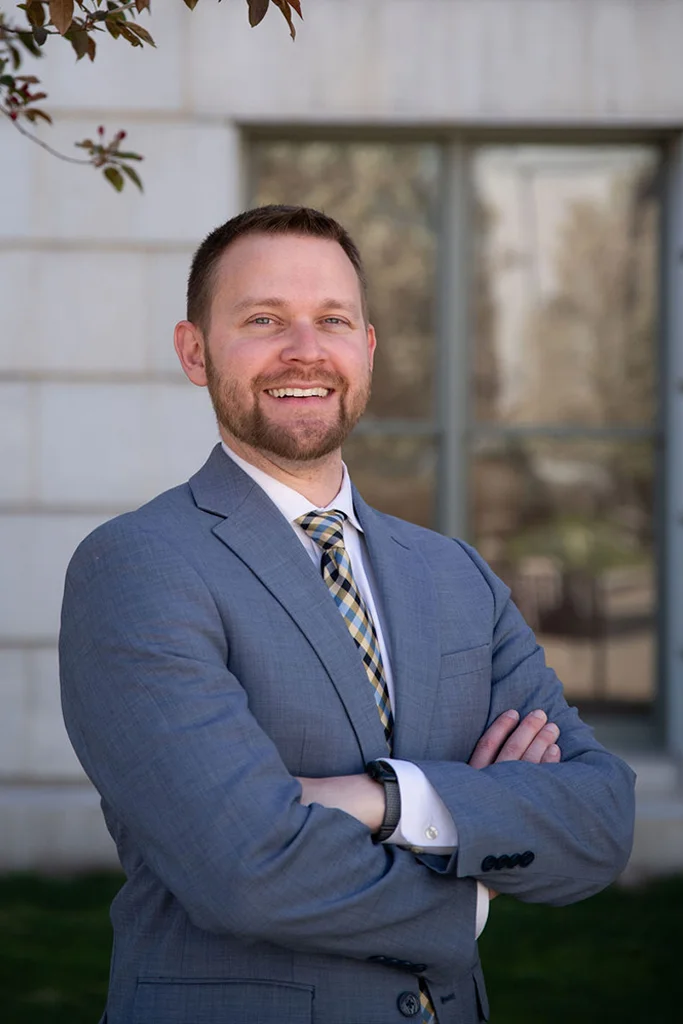
A DUI stop on C-470 or Santa Fe Drive can turn into something that follows you for years. Douglas County prosecutors take impaired driving cases seriously, and the process moves quickly from the moment you’re pulled over. Highlands Ranch DUI defense lawyer Reid DeChant represents people at every stage of that process, from the first DMV hearing to trial if that’s where the case goes.
What Douglas County DUI Cases Actually Look Like
Highlands Ranch sits in Douglas County, and DUI cases here are handled through the Douglas County District Court in Castle Rock. If you’ve been through a municipal court case before, county court operates differently. The DA’s office in Douglas County has a reputation for pushing harder on DUI cases than some neighboring jurisdictions, and first-time defendants sometimes get caught off guard by how little leniency is built into the early stages of the case.
The corridors where Highlands Ranch DUI stops happen most often include C-470, Santa Fe Drive (US 85), Lincoln Avenue, and the stretch of I-25 that runs through the area. Late nights near the Town Center, after Broncos or Rockies games, or following events at nearby venues consistently generate more traffic stops. Law enforcement in Douglas County uses saturation patrols and sobriety checkpoints at predictable intervals throughout the year.
Colorado also runs a parallel track that most people don’t expect: the DMV Express Consent process. An arrest for DUI triggers a separate administrative proceeding that can revoke your driver’s license regardless of what happens in criminal court. You have seven days from your arrest to request a hearing. If you miss that window, your license is suspended automatically. These two tracks, criminal and administrative, require separate strategies and separate attention from day one.
How Colorado’s BAC Laws Apply to Your Stop
Colorado draws a hard line at 0.08% BAC for a standard DUI charge. But the law also creates a lower tier: a BAC between 0.05% and 0.079% can still support a DWAI charge, which stands for Driving While Ability Impaired. DWAI is often treated as less serious, but it still carries real penalties and still lands on your record. And for drivers under 21, even a 0.02% reading can result in an Underage Drinking and Driving charge.
Drug-related DUI charges are increasingly common across Douglas County. Colorado has no per se THC limit for DUI purposes, which means prosecutors rely on officer observations, field sobriety test results, and toxicology reports rather than a single number on a breathalyzer. That creates different evidentiary questions than an alcohol case and often different defense opportunities as well.
Colorado’s Express Consent law means that if you drive on Colorado roads, you’ve already legally consented to chemical testing if an officer has probable cause to believe you’re impaired. Refusing a test doesn’t prevent charges. It actually triggers its own automatic license revocation, and the refusal itself can be used against you at trial. Understanding what that law actually requires, and where officers fail to properly comply with it, is central to how Reid approaches many of these cases.
Where DUI Charges Get Challenged
A DUI arrest is not a conviction. Between the stop and any finding of guilt, there are multiple points where the evidence can be questioned, suppressed, or outright dismantled. The stop itself has to be legally justified. An officer can’t pull someone over without reasonable suspicion of a traffic violation or criminal activity. If the stop was based on nothing more than a hunch, a bad tip, or a pretextual reason, the evidence that follows can be challenged.
Field sobriety tests are presented as objective measurements of impairment, but they’re not. They depend heavily on how an officer administers them, the surface conditions, lighting, weather, the driver’s footwear, and physical health factors that have nothing to do with alcohol. Poor performance on a walk-and-turn test doesn’t mean someone was impaired. It might mean they have a bad knee, that it was 2 a.m. and cold on the shoulder of Santa Fe Drive, or that the instructions weren’t given correctly.
Breath testing equipment has to be properly maintained, calibrated, and operated by officers who have current certification. Blood testing results can be challenged on chain-of-custody grounds or because of problems in how the sample was drawn, stored, or analyzed. These aren’t technicalities for their own sake. They go directly to whether the evidence against you is actually reliable.
Reid’s experience as a public defender, handling cases across Denver, Broomfield, and Adams County before moving into private practice, gave him a working knowledge of how these cases are built and where they tend to fall apart. Trial Lawyers College trained him in how to bring that understanding into the courtroom and present it in a way that resonates with a jury.
What a DUI Conviction Means Beyond the Sentencing Hearing
People often focus on jail time and fines when they think about DUI penalties, but the long-term consequences reach further than that. A first offense in Colorado typically carries a fine range of $600 to $1,000, potential jail time, a nine-month license suspension, mandatory alcohol education classes, and community service. Those numbers increase substantially for a second or third offense.
Beyond the courtroom, a DUI conviction can affect a professional license. Colorado boards for medical licenses, nursing licenses, and similar regulated professions can take action against licensees with DUI convictions, especially when a pattern exists or the conduct involved certain aggravating factors. Pilots face scrutiny from the FAA. CDL holders face consequences that go well beyond what a standard driver would encounter, because federal regulations governing commercial licenses have their own standards. Anyone with immigration status should be aware that a DUI conviction can have visa and residency implications that don’t appear anywhere in the Douglas County sentencing guidelines.
These downstream consequences are part of what Reid evaluates when discussing a case. The goal isn’t just minimizing what happens in court. It’s understanding the full picture of what a conviction, or a plea, would actually mean for that specific person’s life.
Questions Highlands Ranch Residents Ask About DUI Cases
Can I still drive after a DUI arrest while my case is pending?
This depends on whether you requested a DMV Express Consent hearing within seven days of your arrest. If the hearing is requested in time, you may be able to keep driving pending that outcome. If no hearing is requested, your license suspension kicks in automatically. The criminal case and the DMV case run separately, and both need to be addressed.
What happens if I refused the breath or blood test?
Refusal triggers an automatic one-year license revocation through the DMV, separate from any criminal penalty. It does not prevent the DUI charge itself. And at trial, the prosecution can argue that your refusal suggests consciousness of guilt. That said, there are situations where refusal affects the strength of the evidence against you, and how to work with that depends on the specific facts of the stop.
Is a DWAI less serious than a DUI?
DWAI carries lower mandatory minimums than a standard DUI, but it still results in a criminal conviction, points on your license, and potential collateral consequences. Whether a DWAI resolution makes sense compared to fighting a DUI charge depends entirely on the evidence and the circumstances of the stop.
My case is in Douglas County, but I live in Highlands Ranch. Does that change anything?
Your case is heard in Douglas County District Court in Castle Rock. The county’s prosecution office and the specific judges involved can affect how cases are handled. Local familiarity with how Douglas County prosecutors and courts approach DUI cases matters when evaluating how to defend yours.
Can I get a DUI expunged or sealed in Colorado?
Colorado’s record sealing laws are more limited for DUI convictions than for many other offenses. Arrests that didn’t result in conviction, and certain dismissed charges, may be eligible for sealing. Convictions for most DUI offenses are generally not sealable under current Colorado law. The specifics of your record and the outcome of your case determine what options are available to you.
What if I was charged with DUI-drugs, not alcohol?
Colorado does not set a per se impairment threshold for marijuana or most other substances the way it does for alcohol. Prosecution relies on officer observations, drug recognition evaluations, and toxicology. These cases often present more room to challenge the evidence, but they also require an attorney who understands how that evidence is constructed and how to cross-examine the experts behind it.
Should I accept a plea deal or take the case to trial?
That decision depends on the quality of the evidence, the specific charge, your prior record, and what any offered plea would actually mean for your life. Reid has taken DUI cases to trial and won not-guilty verdicts in Douglas County and surrounding jurisdictions. The right call is case-specific and should come after a thorough review of everything the prosecution has.
Talk Through Your Case With a Highlands Ranch DUI Attorney
A DUI charge in Highlands Ranch moves on a timeline you don’t control, especially on the DMV side. DeChant Law handles both the criminal case and the administrative license hearing, and Reid will give you a straight read on where your case stands and what the options actually are. If you’re looking for a Highlands Ranch DUI attorney who has handled these cases from investigation through verdict, reach out to DeChant Law to schedule a consultation.