Gunnison Sex Crimes Lawyer
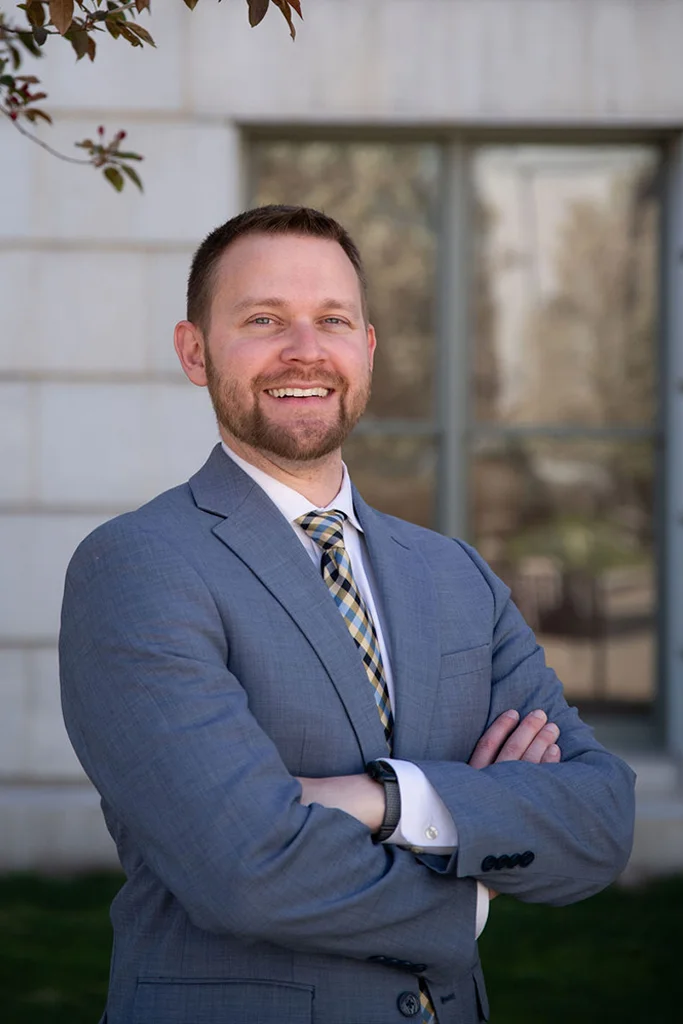
Sex crime charges carry a weight that almost no other criminal allegation does. The social fallout begins before a conviction, often before an arraignment, and it does not stop there. A conviction in Colorado brings mandatory sex offender registration, restrictions on where you can live and work, and a record that follows you permanently. Reid DeChant is a Gunnison sex crimes lawyer who has handled serious felony cases from the public defender’s office through private practice, and who understands that what happens in the courtroom has consequences that reach far beyond it.
What Colorado Actually Charges and What Those Charges Mean
Colorado’s sex crimes statutes cover a broad range of conduct, and the specific charge matters enormously to how a case proceeds and what penalties apply. Sexual assault under C.R.S. 18-3-402 is the most commonly filed offense and can be charged anywhere from a class 4 felony to a class 2 felony depending on factors like the age of the alleged victim, use of force, and relationship between the parties. Unlawful sexual contact, enticement of a child, sexual assault on a child, and internet luring of a child all carry distinct elements and sentencing ranges.
Gunnison County is a smaller jurisdiction, which cuts both ways. The District Attorney’s office there knows the community, and so does the court. Cases that might get lost in a larger urban system get close attention here. That means the quality of the defense from day one shapes everything that follows. A charge filed in Gunnison County District Court will be handled by the same small bench of judges throughout its life, making early motions practice and the factual framing of the case critically important.
Indeterminate sentencing is one of the most significant features of Colorado sex crime law. For many sex offense convictions, the court imposes a range like four years to life, meaning the Colorado Sex Offender Management Board evaluates whether someone has completed treatment and poses a risk before they are ever released. A person can serve well past their minimum sentence if treatment progress is deemed insufficient. That reality makes dismissal, acquittal, or a negotiated resolution to a non-sex-offense charge worth fighting hard for.
Sex Offender Registration in Colorado and Why It Shapes Every Decision
Colorado’s Sex Offender Registration Act requires individuals convicted of covered offenses to register with local law enforcement, currently in the county where they live. Registration is not a one-time event. Depending on the tier of the offense, it can mean quarterly or annual in-person check-ins for a decade or longer, and in some cases for life. The registry is publicly accessible, which means employers, landlords, schools, and anyone with an internet connection can see it.
For someone living or working in Gunnison, a small mountain community built heavily on seasonal employment, outdoor recreation, and Western State Colorado University, registration consequences can be devastating in ways that would be less acute in a larger city. Housing options narrow quickly. Coaching youth sports, working at a summer camp, or holding certain positions at the university become off-limits. The community is tight-knit, and public records are genuinely public in a way that Denver residents might not experience the same way.
Any defense strategy in a Gunnison sex crime case has to account for this reality. Resolving a case to a charge that does not trigger registration, when the facts support that outcome, can change the trajectory of someone’s life more than almost any other outcome. That kind of negotiated resolution requires understanding both what prosecutors will accept and what the evidence actually supports, not just what sounds good in the abstract.
How Evidence in These Cases Gets Challenged
Sex crime prosecutions often rest on a narrow base of evidence. Physical evidence is frequently absent or inconclusive. Cases commonly come down to recorded statements, forensic interviews, digital communications, and the credibility of the alleged victim and the defendant. Each of those categories has real vulnerabilities that a careful defense attorney can develop.
Forensic interviews of child witnesses follow protocols that, when not followed correctly, can contaminate a child’s account. A trained attorney can retain an expert to evaluate whether leading questions, repeated interviews, or suggestive techniques may have shaped what a child reported. That analysis can be presented at trial or used to support a motion to exclude testimony.
Digital evidence in cases involving electronic communications or alleged solicitation has its own set of issues. How the evidence was obtained, how it was preserved, and what context was stripped out when screenshots were captured all matter. Law enforcement in smaller counties does not always have the technical resources of large metro departments, and mistakes in digital evidence handling are not rare.
DNA evidence, when present, requires understanding of both the science and the laboratory process. Chain of custody, analyst qualifications, and the conditions under which samples were collected and stored can all become defense issues. Reid’s experience trying serious felonies, including cases involving assault and domestic violence, gives him the framework to evaluate and challenge scientific evidence in court, not just in pretrial filings.
Questions People Actually Ask About These Cases
Can a sex crime charge in Gunnison be reduced or dismissed?
Yes, and it happens more often than the public tends to assume. Charges get dismissed when evidence does not hold up, when witnesses become unavailable or recant, or when constitutional violations in how evidence was gathered require suppression. Charges also get negotiated down to lesser offenses when the facts support a different characterization of the conduct. None of this is guaranteed, but treating a dismissal or reduction as impossible before the evidence is fully analyzed is a mistake.
What happens at the initial hearing in Gunnison County?
After an arrest, a defendant typically appears before a Gunnison County judge for an advisement and bond determination. For sex offense charges, the prosecution will often push for a high bond or conditions restricting contact with minors. Bond arguments at this early stage can meaningfully affect whether someone remains in custody while their case is pending, which in turn affects their ability to assist in their own defense and maintain employment and family relationships.
Does hiring a private defense attorney actually make a difference in a smaller county?
It does. Public defenders handle high caseloads across multiple counties, and while many are skilled attorneys, the time they can dedicate to any individual case has limits. A private attorney working on a serious felony in Gunnison can invest the time needed to investigate the facts, retain experts, file targeted motions, and prepare a genuine trial defense. In a case where the stakes include registration and indeterminate sentencing, that difference is significant.
What is the difference between a plea to a sex offense and a plea to a non-sex offense?
The distinction is enormous from a practical standpoint. A conviction for a covered sex offense triggers registration, treatment requirements, and indeterminate sentencing in many cases. A conviction for a non-sex offense, like third-degree assault or a property crime negotiated as part of a disposition, does not. When a negotiated plea is on the table, the charge itself, not just the sentence, is the thing to focus on.
Can charges be filed based solely on an accusation without physical evidence?
They can and regularly are. Colorado prosecutors do not need physical evidence to file charges. A complaining witness’s statement alone can support a charging document. That is why the defense investigation, including locating witnesses, reviewing prior statements for inconsistencies, and understanding the context of the allegation, matters so much before the case gets too far down the track.
What if the alleged conduct involved someone I was in a relationship with?
Relationship history does not eliminate the possibility of criminal charges in Colorado, but it is highly relevant to the defense. Evidence of prior consensual conduct, the nature of communications before and after the alleged incident, and the context of the relationship are all potentially relevant to how the evidence is framed at trial. These are the kinds of details that require a thorough factual investigation and a defense attorney willing to tell the full story of what actually happened.
How long does a sex crimes case in Gunnison County typically take?
Serious felony cases move slower than misdemeanors, and a case that goes to trial can take a year or more from arrest to verdict. During that time, pretrial motions, discovery review, expert retention, and witness preparation all take place. The timeline is a reason to engage a defense attorney as early as possible, not a reason to wait and see how things develop.
Reach Out About Your Case in Gunnison
Reid DeChant has defended clients charged with serious felonies through trial and through negotiated outcomes, including cases where the evidence looked damaging at first and the final result was something very different. If you are facing a sex crime allegation in Gunnison County, talking to a Gunnison sex crimes attorney before you speak to law enforcement or make any decisions about how to respond is the most important thing you can do. Contact DeChant Law to have a direct conversation about what you are facing and what a defense actually looks like for your specific situation.