
Gunnison Felony Lawyer
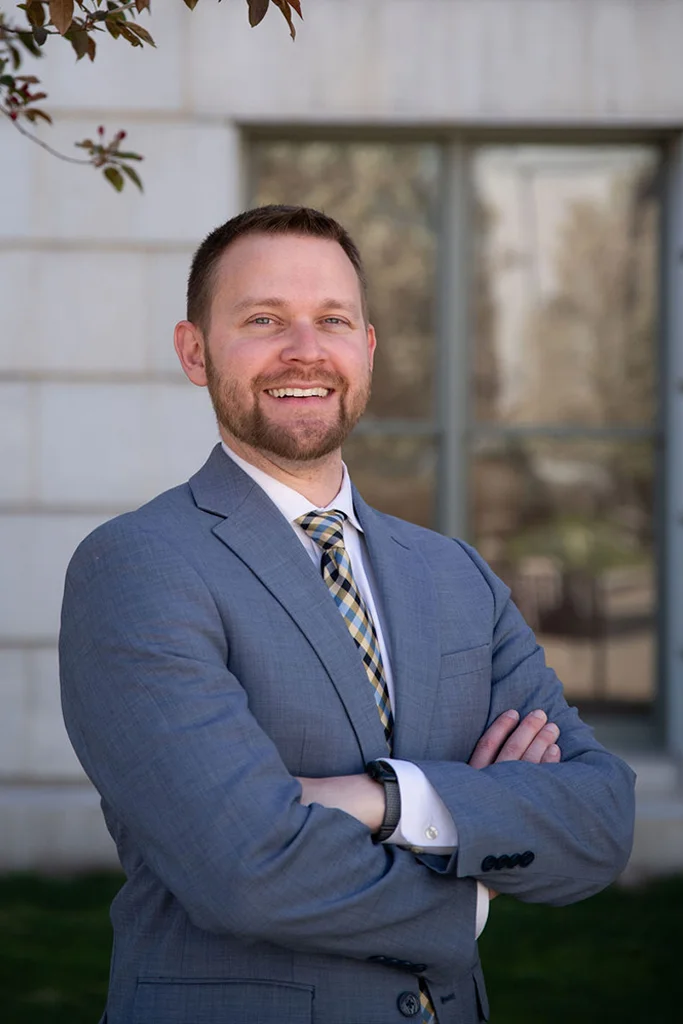
A felony charge in Gunnison County does not simply threaten your freedom for a defined period. It follows you into housing applications, professional licensing boards, child custody proceedings, and background checks for years after any sentence ends. Reid DeChant, a Gunnison felony lawyer at DeChant Law, brings experience from public defense work across Denver, Broomfield, and Adams County, defending cases from DUI to sexual assault to homicide. That range of experience matters when you are looking at the kinds of charges that Gunnison County prosecutors actually file.
What Makes Felony Prosecution in Gunnison County Distinct
Gunnison County sits in Colorado’s Seventh Judicial District. The courthouse in Gunnison handles cases for a sprawling, largely rural region, which means the dynamics of prosecution and defense differ meaningfully from urban courts in the Front Range. Juries are drawn from a smaller pool with strong community ties. Prosecutors often know local law enforcement personally. And cases that might be resolved quickly in a high-volume urban court can develop differently when every case gets more individualized attention from all sides.
The county also sees a specific mix of felony charges that reflects its geography and economy. Ski and outdoor recreation activity around Crested Butte generates alcohol and drug-related offenses. Highway 50, running through the county, sees traffic stops that escalate to felony drug charges when searches turn up larger quantities. Agricultural and property disputes occasionally produce assault or weapons-related charges. Understanding these patterns is part of knowing how to build a defense that holds up in this specific jurisdiction.
Colorado Felony Classifications and What They Actually Mean for Your Case
Colorado divides felonies into six classes, with Class 1 carrying the most severe penalties and Class 6 representing the lowest tier. Where your charge falls in that structure shapes nearly everything about how the case proceeds, what plea negotiations look like, and what sentence a judge has discretion to impose.
Class 1 felonies, which include first-degree murder, carry life imprisonment. Class 2 felonies, such as first-degree kidnapping and second-degree murder, carry 8 to 24 years in the Colorado Department of Corrections. Class 3 offenses include first-degree assault and felony sexual assault. Class 4, 5, and 6 felonies cover a broader range, from aggravated robbery to certain theft levels to low-level drug distribution.
Sentence ranges exist within each class, but they are not the only variable. Colorado has mandatory sentencing provisions for crimes of violence, which can require a judge to impose a sentence in the aggravated range and strip away parole eligibility. If a weapon was involved, or if serious bodily injury was alleged, a crime-of-violence designation can attach, fundamentally changing the exposure. Extraordinary risk crimes carry their own sentencing modifications. These provisions are not theoretical. They are invoked regularly in Colorado felony cases, and missing them when evaluating a case is a serious error.
Beyond incarceration, a felony conviction in Colorado triggers sex offender registration for qualifying offenses, loss of firearm rights, immigration consequences for non-citizens, and mandatory reporting obligations in certain licensed professions. A felony drug conviction can affect housing assistance and student loan eligibility. The sentencing range in the statute is only part of what you are actually facing.
How Cases Get Charged and Where Defense Work Actually Begins
Felony cases in Colorado typically begin one of two ways. Either law enforcement makes an arrest and files charges through the district attorney, or the case goes to a grand jury that returns an indictment. In Gunnison County, grand jury proceedings are less common for standard felonies, but they do appear in complex or sensitive cases.
After a felony filing, the first court appearance is an advisement where the charge is formally read and conditions of bond are set. This is followed by a preliminary hearing, where the prosecution must show probable cause that the crime was committed and that the defendant committed it. The preliminary hearing is not a trial, but it is consequential. It is an opportunity to test the prosecution’s evidence before discovery is complete, cross-examine witnesses early, and sometimes expose weaknesses that affect how the rest of the case develops.
After a bindover, the case moves to district court for arraignment, pretrial proceedings, and either resolution or trial. Pretrial motions are where much of the real defense work happens. Suppression motions that challenge how evidence was gathered, motions to exclude certain witness statements, and constitutional challenges to the charge itself can all reshape the case before a jury is ever selected. Reid’s experience at Trial Lawyers College, where he developed his approach to storytelling and client advocacy, informs both how he builds these arguments and how he presents them to a judge or jury.
Questions Worth Asking Before Your Case Goes Further
If I was arrested in Gunnison County, where will my case be heard?
Felony cases originating in Gunnison County are handled in the Gunnison County District Court, which is part of the Seventh Judicial District. Depending on where in the county the alleged offense occurred, venue can occasionally raise issues worth examining, but the district court in Gunnison handles the overwhelming majority of county felony matters.
Can a felony charge be reduced to a misdemeanor?
In some cases, yes. Prosecutors have discretion to amend charges as part of a negotiated resolution, and defense attorneys can present evidence, context, and legal argument that supports a reduction. Whether that is the right strategy depends on the specific charge, the evidence, and your individual circumstances. Not every reduction is a good outcome if conditions attached to the plea carry serious consequences.
What is a deferred judgment and how does it work in Colorado felony cases?
A deferred judgment allows a defendant to enter a plea that is not immediately accepted by the court. Instead, the case is held open while the defendant completes certain conditions, which may include supervision, community service, or treatment programs. If the conditions are completed successfully, the plea is withdrawn and the case is dismissed. Deferred judgments are not available for all offenses, and violations of the conditions result in the original plea being accepted and sentencing proceeding.
How does a felony conviction affect firearms rights in Colorado?
A felony conviction under Colorado or federal law results in the loss of the right to possess or purchase firearms. This applies regardless of the felony class. In domestic violence cases specifically, even a misdemeanor conviction can trigger a federal firearms prohibition. Restoration of firearms rights after a felony conviction is a separate legal process and is not automatic upon completion of a sentence.
What happens if I have a prior felony conviction and face a new felony charge?
Prior felony convictions can affect charging decisions, sentencing ranges, and whether mandatory sentencing provisions apply. Colorado’s habitual criminal statutes allow prosecutors to seek significantly enhanced sentences when a defendant has prior felony convictions within a certain time frame. The number of prior convictions and their classifications both matter. This is one reason why the defense strategy in a second or third felony case can look very different from an initial charge.
Do Gunnison County felony cases go to trial frequently?
Most felony cases statewide resolve before trial through a plea agreement or dismissal. But the proportion of cases that go to trial in smaller counties can vary considerably, and the willingness of a defense attorney to actually take a case to trial influences how prosecutors approach negotiations. Reid has tried cases to verdict across Colorado courts on charges including DUI, assault, domestic violence, and sex offense matters. That trial record is not separate from the negotiation process. It is part of it.
How soon should I contact a defense attorney after a felony arrest?
As soon as possible, ideally before your first court appearance. Bond conditions set at advisement can affect your ability to work, live at home, or maintain custody of children during the pendency of the case. An attorney present at the earliest stages can raise issues that might otherwise be waived and can help establish the foundation for the defense before evidence changes, memories fade, or witnesses become harder to reach.
Facing Felony Charges in Gunnison Deserves Serious Representation
A felony charge, regardless of class, demands a lawyer who has actually stood in a courtroom and defended someone when the outcome was not certain. Reid DeChant’s background as a public defender handling everything from traffic offenses to homicides, combined with his private practice experience and trial training, positions DeChant Law to handle the full weight of what a Gunnison felony attorney needs to do for a client. If you are facing felony charges in Gunnison County or anywhere in the surrounding region, contact DeChant Law to discuss your case.