
Grand County DUI Defense Lawyer
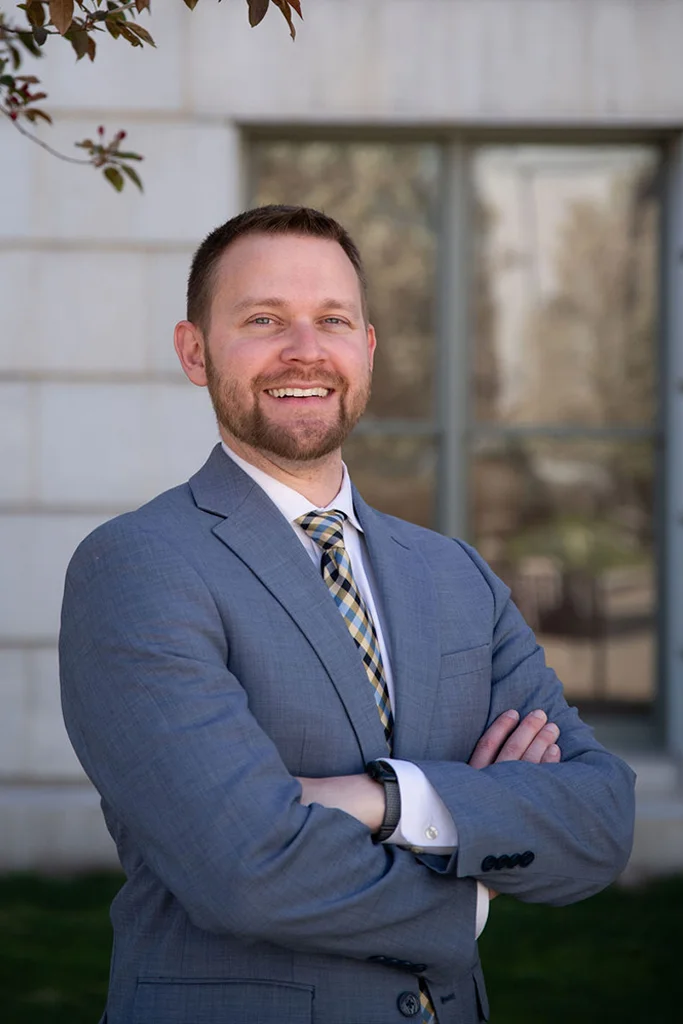
Grand County sits at altitude, draws visitors from across the state and country, and sees DUI enforcement that reflects both its mountain resort character and its position along major corridors into the high country. If you were stopped on US-40 coming through Winter Park, near Granby, or anywhere along the Fraser Valley, you are now dealing with charges in a county where the local court handles a fraction of the case volume that Denver sees, which means less room for cases to quietly resolve and more reason to be prepared from the start. Reid DeChant of DeChant Law has built his practice around DUI defense, handling cases from initial stop through trial, and brings that same commitment to clients facing charges in Grand County courts.
What Makes Grand County DUI Cases Different from Urban Counties
DUI enforcement in mountain counties like Grand follows patterns that urban drivers do not always anticipate. Law enforcement here often works with Colorado State Patrol, the Grand County Sheriff’s Office, and local police in municipalities like Winter Park and Granby. These agencies coordinate during peak seasons, including ski season, summer festival weekends, and holidays, and enforcement activity along US-40 and US-34 is a known reality for anyone traveling through.
The Grand County District Court handles criminal matters for the county, and because the docket is smaller than courts in the metro area, prosecutors and judges know the local cases well. That familiarity cuts both ways. It means your attorney needs to understand the court’s expectations, the tendencies of local prosecutors, and how evidentiary issues are handled in this specific venue rather than defaulting to strategies that work in Denver or Jefferson County.
There is also a practical issue that comes up regularly in resort counties: many people who get charged here do not live here. They drove up for the weekend, got stopped, and now face court appearances, potential license consequences, and a case file in a courthouse hours from home. That geography adds real logistical pressure, and having an attorney who can appear on your behalf in Grand County proceedings matters more than it might in your home county.
Colorado’s Express Consent Law and What It Actually Means for Your Case
One of the most consequential pieces of a Colorado DUI stop happens quickly and without much ceremony: the request for a chemical test. Under Colorado’s express consent statute, anyone driving on state roads has already consented to a chemical test if a law enforcement officer has probable cause to believe they are impaired. Refusing the test triggers an automatic license revocation through the DMV, separate from anything that happens in criminal court.
That DMV action runs on its own track. You have a short window to request a hearing to contest the revocation, and if that window closes without action, the revocation goes forward regardless of what happens with the criminal charge. Reid has successfully challenged DMV express consent actions in multiple cases, including cases dismissed because of improper advisements, procedural errors, and failures to administer the chemical test within the required timeframe. Those outcomes are documented in his case results and reflect real attention to the procedural requirements that law enforcement must follow.
If you did submit to testing, the results are not automatically definitive. Blood tests can be challenged on chain of custody grounds, lab handling procedures, and whether the sample was drawn and stored properly. Breath tests involve calibration records and operator certification requirements. Understanding which challenges apply to your specific test type is part of building a real defense rather than a generic one.
Field Sobriety Tests on Mountain Roads: A Real Evidentiary Issue
Standard field sobriety tests were developed and validated at low altitudes under controlled conditions. High-altitude physiology, uneven road shoulders, weather conditions, and simple fatigue from a day of skiing or hiking can all affect how someone performs on the walk-and-turn, one-leg-stand, or horizontal gaze nystagmus tests. Officers in mountain counties conduct these tests on roadsides where the physical environment is rarely ideal.
This matters because field sobriety performance is often the stated basis for probable cause to arrest and for the officer’s testimony at trial. If the conditions under which those tests were administered were materially different from the standardized conditions the tests require, that goes directly to the weight the jury or court should give the results. Reid’s training includes understanding how these tests work, where they fail, and how to cross-examine officers on the gap between the standardized protocol and what actually happened on the roadside in Grand County.
Answers to What People Actually Ask About Grand County DUI Charges
Do I have to appear in Grand County court in person if I live somewhere else in Colorado?
For many proceedings, an attorney can appear on your behalf without you making the trip to Hot Sulphur Springs, where the Grand County courthouse is located. For certain hearings, your presence may be required, but the goal is to minimize unnecessary travel while making sure every required appearance is covered. This is worth discussing early so you know exactly what to expect.
What is the difference between a DUI and a DWAI in Colorado?
A DUI requires a blood alcohol content of 0.08% or higher, or impairment to a substantial degree. A DWAI, or Driving While Ability Impaired, applies when BAC falls between 0.05% and 0.079%, or when impairment, though lesser, is still present. DWAI carries lighter penalties than a DUI, but it is still a criminal charge with real consequences, and it still counts as a prior offense if you face a DUI charge later.
If this is my first offense, is there any realistic path to a better outcome than a conviction?
First-offense cases in Colorado often have more options than people realize. Depending on the facts of the stop, the test results, and procedural issues in how the arrest was handled, outcomes can range from dismissal to reduced charges to deferred judgments. No attorney can promise a particular result, but thorough analysis of your specific case is the starting point for knowing what options are realistic.
How does a DUI conviction affect my driver’s license separate from any jail or fine?
License consequences in Colorado come through two channels. The criminal court can order a revocation as part of sentencing. The DMV separately pursues its own administrative revocation through the express consent process. These are parallel proceedings, and both need attention. Ignoring the DMV side means automatic revocation even if the criminal case resolves favorably.
I was stopped near Winter Park. Does it matter which agency made the arrest?
The arresting agency does matter in the sense that different agencies have different training records, equipment maintenance histories, and procedural practices. These details can surface issues relevant to your defense. Whether the stop was made by CSP, the sheriff’s office, or local police, the case ends up in Grand County District Court and follows the same legal framework, but the investigation records behind it can vary.
Can a DUI from Grand County affect a professional license or employment?
Yes. Colorado licensing boards for medical, nursing, commercial driving, and other regulated professions may require self-reporting of criminal charges or convictions. A DUI conviction can trigger a board review independent of any employment consequences. Reid has handled DUI cases for CDL holders, medical professionals, and others with specific licensing concerns, and those stakes are part of how he approaches the defense strategy.
How long does a Grand County DUI case typically take to resolve?
Cases can take anywhere from a few months to over a year depending on the complexity of the facts, whether it proceeds to trial, and the court’s schedule. Mountain county courts can have their own scheduling rhythms that differ from larger metro dockets. The DMV hearing process runs on a separate and often faster timeline, which is part of why requesting that hearing promptly matters.
Talk to Reid DeChant About Your Grand County Impaired Driving Case
Reid DeChant has spent his career handling impaired driving cases from initial stop through trial, including cases dismissed on DMV express consent grounds and acquittals at trial. His work as a public defender gave him a foundation in exactly the kind of careful case analysis that a Grand County DUI defense requires, and his private practice has been focused on DUI and criminal defense in Colorado courts. If you were stopped in Grand County and are trying to figure out what comes next, contact DeChant Law to talk through the facts of your case and what realistic options look like given the specifics of your situation.