Frisco Felony Lawyer
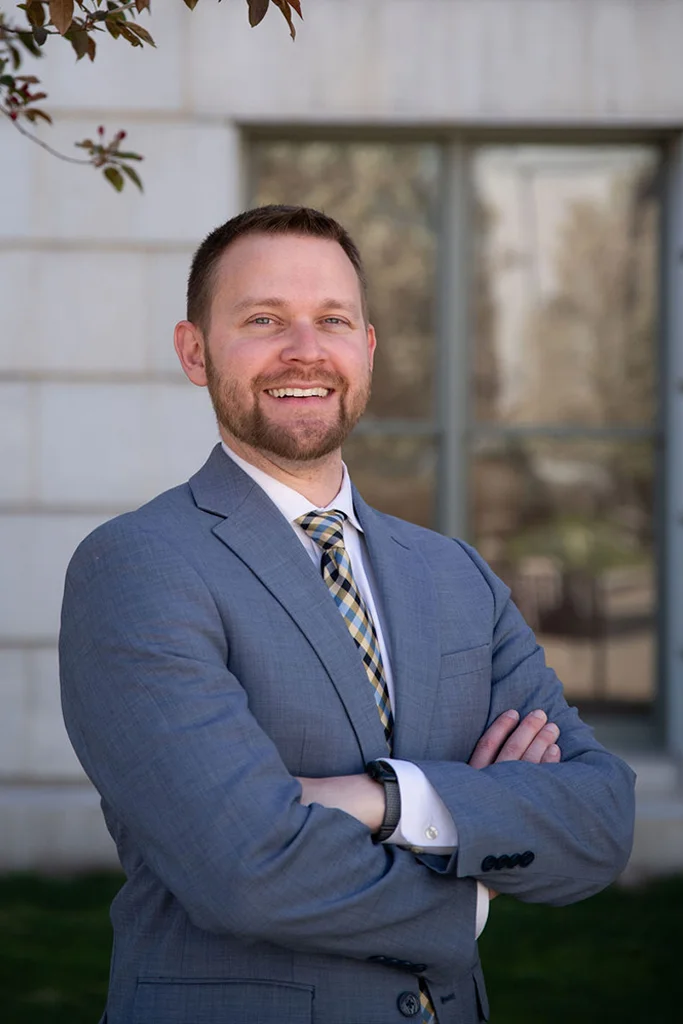
Felony charges carry a weight that touches every part of a person’s life, from housing and employment to professional licenses and civil rights. For residents of Frisco and the broader Summit County area, those charges are prosecuted in the 5th Judicial District, a court that handles everything from drug offenses and weapon charges to serious violent crimes and property felonies. Reid DeChant is a Frisco felony lawyer who has built his practice around understanding what the government actually has, where the weaknesses in a case live, and what it takes to fight back in a courtroom. That combination matters enormously when what is at stake is not a fine but years of your life.
What Summit County Prosecutors Are Actually Working With
The 5th Judicial District covers Summit, Eagle, Lake, and Clear Creek counties, and its prosecutorial office handles a caseload shaped by the region’s character. A mountain resort corridor with heavy tourist traffic, seasonal workers, significant nightlife around Breckenridge, and busy corridors along I-70 generates a predictable mix of criminal cases. DUI-related felonies, drug possession and distribution charges tied to resort towns, and crimes of violence that escalate from domestic disputes or bar confrontations all flow regularly through the Breckenridge courthouse that serves Summit County.
Understanding this context matters in practice. Prosecutors in smaller district offices handle felonies differently than those in urban jurisdictions like Denver. Caseloads vary, relationships with local law enforcement run deep, and the judges who preside over these cases have developed consistent views on specific charge categories. A defense attorney who treats Summit County like any other venue misses the local dynamics that can actually influence how a case resolves.
How Colorado Classifies Felonies and Why the Class Matters So Much
Colorado felonies are divided into six classes, with Class 1 being the most serious and Class 6 representing the least severe end of the felony spectrum. A Class 6 felony still carries a presumptive sentence of one to one and a half years in prison and fines up to $100,000. A Class 2 felony carries eight to twenty-four years. Drug felonies follow a separate classification ladder with their own sentencing ranges and mandatory minimums that depend heavily on the substance type and quantity involved.
Beyond the prison exposure, Colorado also uses a system of extraordinary aggravating and mitigating circumstances that can push sentences outside their presumptive ranges. A prior felony conviction, use of a weapon, or the particular vulnerability of a victim can all move a sentence upward significantly. On the defense side, identifying and presenting legitimate mitigating factors, a history of untreated mental health issues, circumstances of the offense that context changes materially, or a lack of prior record, can be the difference between a presumptive sentence and something lower, or between a plea agreement and a trial where the facts genuinely favor the defendant.
There are also sex offense convictions in Colorado that carry lifetime supervision requirements and mandatory registration as a sex offender. These consequences extend far beyond the prison term itself and require a defense approach that accounts for collateral consequences from the very beginning of the case, not as an afterthought after sentencing.
Where Felony Cases Break Down Before They Reach Trial
A significant number of felony cases do not resolve at trial. They resolve earlier, through dismissed charges, reduced charges, or negotiated pleas. What drives those outcomes is not chance. It is the quality of the factual investigation, the strength of any suppression motions, and the credibility of the defense attorney’s willingness to take the case all the way if the offer is not reasonable.
Fourth Amendment challenges are among the most consequential tools available in felony defense. If law enforcement searched a vehicle, a home, or a person without a valid warrant or a recognized exception to the warrant requirement, evidence obtained in that search can be suppressed. When that suppressed evidence is the core of the prosecution’s case, charges frequently get dismissed or significantly reduced. Reid has trained specifically on the mechanics of these challenges and the constitutional principles behind them, not as an abstract matter but as a practical defense skill.
Chain of custody problems, lab errors in drug testing, credibility issues with cooperating witnesses, and failures in the original probable cause determination are all categories where solid investigation creates real leverage. Cases that look overwhelming on the surface often look very different once someone has gone through the discovery with genuine rigor.
Trial Readiness as a Defense Strategy, Not a Last Resort
Reid has tried cases to verdict across multiple Colorado counties, including assault charges, DUI cases, and domestic violence allegations. His background includes time as a public defender in Denver, Broomfield, and Adams County, where he handled cases ranging from traffic offenses and drug charges to sexual assaults and homicides. That breadth of trial experience informs how he approaches every felony case, because a prosecutor negotiating with a defense attorney who has a real trial record does so differently than one negotiating with someone who almost never sets foot in a courtroom.
Reid trained at Trial Lawyers College, where the focus is on how juries actually process information and how a lawyer communicates a client’s full humanity to twelve people who start out knowing almost nothing. In a felony case, where a verdict can mean years of a person’s life, that skill is not optional. Storytelling in a courtroom is not manipulation. It is presenting the truth in a way that a human being can actually hear and process, and it begins with a lawyer who genuinely understands the client’s situation rather than treating the file as a set of legal problems to be processed.
Questions People Ask About Felony Charges in Summit County
Can a felony charge be reduced to a misdemeanor in Colorado?
Yes, and it happens more often than people expect. The path to a reduction depends on the specific charge, the strength of the evidence, the defendant’s prior record, and the willingness of the prosecution to negotiate. In some cases, completing a deferred judgment successfully results in a dismissal rather than a conviction at all. These outcomes require early and active engagement with the case, not waiting to see what happens.
What is a deferred judgment in Colorado and does it apply to felonies?
A deferred judgment is an agreement where the defendant pleads guilty, but sentencing is postponed for a period of time. If the defendant completes the conditions set by the court, the guilty plea is withdrawn and the case is dismissed. Deferred judgments are available for certain felonies in Colorado, though not all. Drug offenses, in particular, have specific diversion and deferral pathways that can result in no conviction if the person completes treatment and supervision successfully.
Does hiring a private attorney actually make a difference compared to a public defender?
Public defenders are often excellent lawyers, but they carry caseloads that make the kind of individualized investigation and preparation that a private felony case demands very difficult to deliver consistently. A private attorney has the capacity to go deep on a single case, pursue every avenue of investigation, file every motion that has merit, and prepare thoroughly for trial. That capacity difference, not a difference in skill, is usually what matters most in a serious felony case.
How long does a felony case in Summit County typically take?
Timelines vary considerably depending on the charge class, how crowded the docket is, and whether the case proceeds toward a plea or toward trial. A Class 6 drug felony handled through a diversion program might resolve in several months. A serious violent felony proceeding to trial can easily take a year or more from arrest through verdict. Understanding the timeline matters for employment, family arrangements, and managing the stress of a case that stretches over time.
What happens to my right to own a firearm if I am convicted of a felony?
A felony conviction under Colorado or federal law results in a prohibition on possessing firearms. This applies regardless of whether the offense was violent in nature. For clients who hunt, work in occupations where firearms are relevant, or simply want to preserve their civil rights, this collateral consequence is often one of the most significant. It is a reason to fight hard to avoid a conviction, not just to minimize the prison exposure.
Can I seal a felony conviction from my record in Colorado?
Colorado’s record sealing law permits some felony convictions to be sealed after a waiting period, though there are significant exceptions. Violent crimes, sexual offenses, and some other categories are not eligible for sealing. Drug felonies that resulted in a deferred judgment and dismissal can often be sealed more quickly. Evaluating sealing eligibility requires looking at the specific conviction and the time that has passed since completing the sentence.
Facing Felony Charges in the Frisco Area
A felony prosecution in Summit County is a serious process with outcomes that matter well beyond the courtroom, and the defense work that goes into a case from the first consultation through the final resolution shapes what those outcomes look like. DeChant Law represents clients facing felony charges in Frisco, Breckenridge, and throughout the 5th Judicial District. If you are dealing with a felony charge in this region, the right time to get a defense attorney involved is before anything has been said to investigators, before the preliminary hearing, and before any decisions about how to proceed have been made. Contact DeChant Law to talk through where your case stands and what a genuine defense looks like for your specific situation.