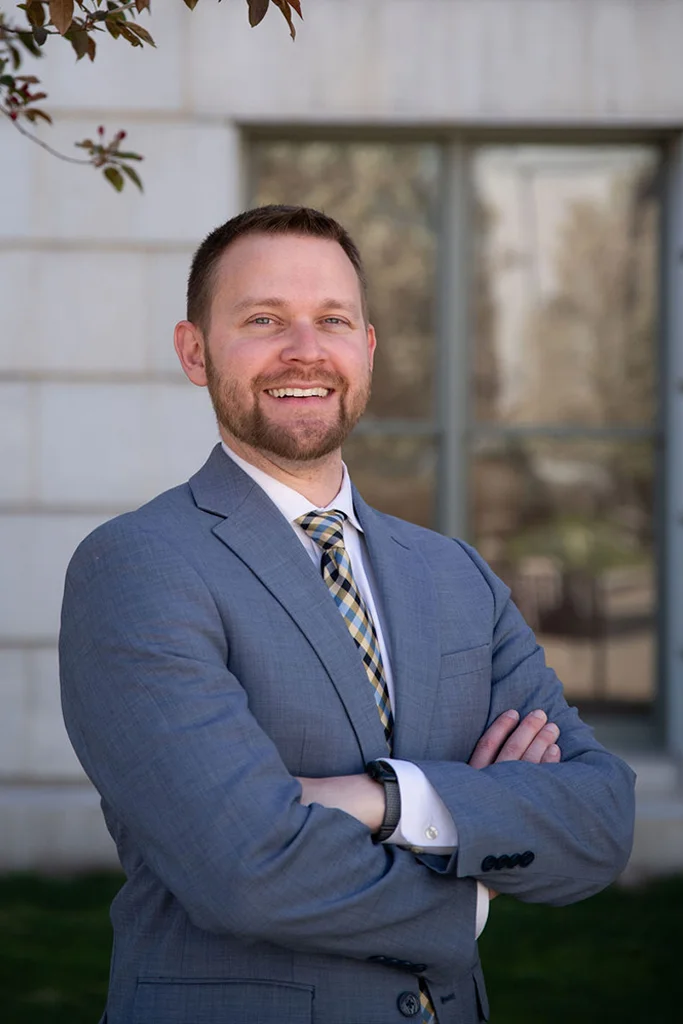
Durango Felony Lawyer
A felony charge in Colorado does not simply threaten your freedom for a set number of months or years. It threatens the life you have built and the one you were planning to build. Employment, housing, professional licensing, firearm rights, and family relationships can all be permanently altered by a conviction. When someone in La Plata County or the surrounding Four Corners region is facing felony-level prosecution, the decisions made in the earliest stages of that case will shape everything that follows. DeChant Law brings the kind of courtroom experience and case preparation that felony charges in Durango genuinely require, with attorney Reid prepared to challenge the government’s case at every stage, including trial if that is what the situation demands.
How Colorado Classifies Felonies and Why the Class Matters in La Plata County
Colorado divides felony offenses into six classes, with Class 1 being the most serious and Class 6 the least. Above those sit drug felonies, which carry their own separate classification system. The class of a felony determines the presumptive sentencing range a judge works within, whether probation is available, whether mandatory minimum prison terms apply, and whether the charge carries extraordinary risk aggravators that can push a sentence well above the presumptive range.
In La Plata County District Court, where Durango felony cases are heard, the practical consequences of these classifications are significant. A Class 6 felony, for instance, carries a presumptive range of one to one and a half years in the Department of Corrections, but probation is commonly available for first-time offenders. A Class 2 felony, by contrast, carries a presumptive range of eight to twenty-four years in prison, with aggravated ranges extending further. Drug felonies add another layer of complexity, as Colorado’s treatment-oriented approach to lower-level drug offenses sometimes opens pathways to deferred prosecution or probation-based treatment programs that are worth fighting for.
Understanding where your charge sits within this framework is not a formality. It is the foundation for evaluating what outcomes are realistic, what motions might shift the playing field, and whether going to trial offers a better return than negotiating. Reid’s experience in Colorado district courts gives him a clear-eyed view of how these cases move and where leverage exists.
What La Plata County Prosecution Looks Like in Practice
The Sixth Judicial District, which covers La Plata and Archuleta Counties, operates with the full resources of the Colorado Attorney General’s Office available for serious matters. The District Attorney’s office in Durango prosecutes a range of felony charges that reflect the character of the region: drug trafficking cases that move along Highway 550, assault and domestic violence charges that carry mandatory sentencing enhancements, theft and fraud cases involving significant property values, weapons charges, and felony DUI cases where prior convictions turn what might have been a misdemeanor into a felony that can land someone in prison.
Durango’s geography also plays a role in how cases develop. Remote locations can complicate crime scene investigation. Evidence collected in the field by smaller agencies is sometimes gathered under conditions that do not hold up under scrutiny. Chain of custody issues, inadequate Miranda advisements, search and seizure problems, and the reliability of field sobriety testing are all areas where careful defense work can change the outcome of a case. Reid has the background to identify those problems and the courtroom experience to exploit them effectively when they are present.
Colorado also has specific statutes that can enhance a felony charge based on prior criminal history, the use of a weapon, the presence of a protected victim, or the nature of the alleged harm. These sentence enhancers can dramatically increase exposure. Knowing when they apply and when they can be challenged is a core part of what a defense attorney does in the pretrial phase.
When a Case Goes to Trial in Durango
Not every felony case should be resolved through a plea. And not every case that goes to trial is one the government can win. The government’s case must be presented to a jury, each piece of evidence must be admitted properly, witnesses must hold up under cross-examination, and the prosecution must persuade twelve people beyond a reasonable doubt. Those are significant hurdles that defense attorneys can turn into genuine challenges for the prosecution when the case is prepared correctly.
Reid trained at Trial Lawyers College, where the emphasis is on the human dimension of advocacy: understanding a client’s full story, communicating it honestly to a jury, and holding witnesses accountable during cross-examination. This is not a firm that treats trials as a last resort or a sign of failure. A willingness to go to trial, backed by real preparation, is often the reason prosecutors offer better resolutions during negotiation. When trial is the right call, Reid brings the experience to carry it through. The firm’s case results include not-guilty verdicts on felony charges including assault with a deadly weapon, DUI third offense, and sexual offense registry failure, earned in Colorado district courts across the Front Range and beyond.
For someone charged with a felony in Durango, having a defense attorney with an actual trial record matters. The Sixth Judicial District is not a high-volume urban court system where cases get processed in bulk. It is a court where individual cases receive real attention from prosecutors who are prepared to litigate. The defense needs to match that preparation.
Questions Durango Residents Ask About Felony Charges
Can a felony charge in Colorado be reduced to a misdemeanor?
Yes, in some cases. Charge reductions happen through plea negotiations, sometimes in exchange for cooperation, completion of a program, or when the evidence does not fully support the original charge. Whether a reduction is available depends on the specific charge, the strength of the evidence, the defendant’s history, and what the prosecutor is willing to offer. An attorney’s job is to identify the leverage that makes a reduction possible and pursue it strategically.
What is a deferred judgment and how does it work in felony cases?
A deferred judgment is an agreement where the defendant enters a guilty plea that is held in abeyance for a set period while they complete conditions, such as probation, treatment, or community service. If the conditions are completed successfully, the plea is withdrawn and the charge is dismissed. Not all felony charges are eligible, and the conditions attached to a deferred judgment can be demanding. However, for eligible defendants, a deferred judgment is often one of the best available outcomes because it avoids a permanent conviction record.
Will a felony conviction in La Plata County show up on background checks outside Colorado?
A Colorado felony conviction is reported to the FBI’s national criminal database and will appear in background checks conducted by most employers, landlords, and licensing boards across the country. Colorado’s record sealing laws do allow certain convictions to be sealed after a waiting period, which removes them from most public background checks, but sealing is not available for all felony convictions. An attorney can evaluate eligibility and explain what relief is realistically available after a case resolves.
How does a felony DUI charge work in Colorado?
A DUI becomes a felony in Colorado when a person has three or more prior DUI-related convictions, or when the incident involved serious bodily injury or death. A felony DUI is a Class 4 felony, carrying a presumptive range of two to six years in the Department of Corrections, along with significant fines and a mandatory period of parole. Unlike a misdemeanor DUI, a felony DUI cannot be resolved in county court. It is handled in district court, where the stakes and the complexity of the proceeding are higher.
What should I do after a felony arrest in Durango?
The most consequential thing you can do after a felony arrest is stop talking to law enforcement without an attorney present. Statements made during and after an arrest are commonly used against defendants at trial. Beyond that, contacting a defense attorney as early as possible allows for investigation while evidence is fresh, ensures that preliminary hearings and bond hearings are handled effectively, and gives the defense the maximum amount of time to build a strategy before the case moves forward in district court.
Does DeChant Law handle felony cases outside of Denver?
Yes. Reid handles felony cases throughout Colorado, including in the Sixth Judicial District, which covers La Plata and Archuleta Counties. Distance does not prevent effective representation, particularly when the attorney is prepared to appear in court and conduct the investigation the case requires.
What makes a felony defense different from a misdemeanor defense?
The consequences are more severe, the procedural posture is more complex, and the investigation required is typically more intensive. Felony cases often involve expert witnesses, forensic evidence, multiple hearings before trial, and a longer timeline from charge to resolution. The stakes for errors, whether in evidence analysis, pretrial motions, or trial strategy, are correspondingly higher. This is why case preparation and genuine trial experience matter more in felony defense than in almost any other area of criminal law.
Speak With a Durango Felony Defense Attorney
A felony charge in Colorado carries consequences that reach far beyond a courtroom. DeChant Law works with people throughout La Plata County and the surrounding region who are facing serious charges and need representation built on genuine preparation and an honest assessment of their situation. If you are looking for a Durango felony attorney who will invest in understanding your case and fight for the best available outcome, Reid is ready to have that conversation.