Denver Resisting Arrest Lawyer
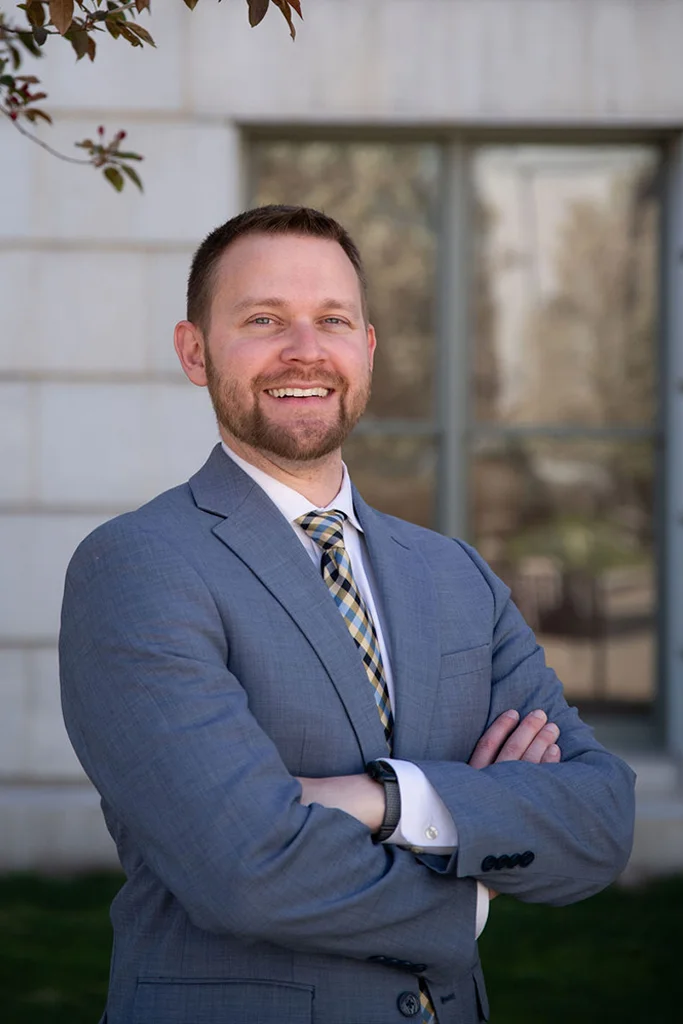
A resisting arrest charge can follow someone into a job application, a custody hearing, or a background check long after the night it happened. What often starts as a tense interaction with police, one where a person panicked, pulled away, or argued loudly, can result in a criminal charge that prosecutors use to bolster the underlying offense or pursue on its own. Reid DeChant is a Denver resisting arrest lawyer who has represented clients on these charges across the Denver metro area, including in Adams, Jefferson, Broomfield, and Arapahoe County. He knows how these cases are built and, more importantly, where they fall apart.
What Colorado Actually Charges Under “Resisting Arrest”
Colorado’s resisting arrest statute, C.R.S. 18-8-103, is narrower than most people expect. The law requires that the person used or threatened the use of physical force or violence against a peace officer, or used any other means creating a substantial risk of bodily injury, to prevent or delay that officer from making a lawful arrest. Simply pulling your arm away, asking why you’re being arrested, or loudly objecting does not technically meet the threshold of the statute.
That gap between what the law actually says and what gets charged is significant. Officers sometimes apply this statute broadly, especially in chaotic or emotionally charged situations. Prosecutors then have to decide whether the facts actually support the charge, or whether they’re holding a charge that unravels once someone examines the video, the police report, and the officer’s own testimony.
Resisting arrest in Colorado is a class 2 misdemeanor. The potential consequences include up to 120 days in jail and fines. But the collateral damage, a criminal record, professional license scrutiny, and the way it interacts with any underlying charge, often matters more than the sentence itself.
A separate but related charge is obstruction of a peace officer under C.R.S. 18-8-104, which covers interference with police duties that doesn’t rise to the physical force threshold of resisting. These charges frequently appear together, and understanding which one actually fits the facts is a threshold question in any defense.
The Lawful Arrest Requirement and Why It Changes Everything
Here is the part of the statute that matters most for defense purposes: the arrest must have been lawful. Colorado courts have long held that a person cannot be convicted of resisting an arrest that lacked legal basis. If the stop was unlawful, if there was no probable cause, if the officer exceeded their authority, then the entire foundation of the charge collapses.
This is where careful investigation pays off. Was the underlying stop based on a valid traffic violation, or was it pretextual? Did the officer have probable cause for the arrest, or was the situation escalating toward a charge that couldn’t actually be made? In Denver and the surrounding counties, these questions get litigated regularly, and the answers can be dispositive.
Even when the arrest itself was technically lawful, the officer’s use of excessive force during the arrest can change the legal picture. Colorado courts have recognized that a person has limited rights to resist excessive force used in the course of an arrest. That does not mean the charge disappears automatically, but it creates a legitimate defense theory that must be taken seriously.
The existence of video, whether from a body camera, a bystander’s phone, or a nearby business, can either confirm or contradict the officer’s account. Reviewing that footage early is not optional. It is the baseline step in evaluating any resisting arrest case.
How These Charges Surface in Denver-Area Courts
Resisting arrest charges in Denver and the surrounding counties most commonly appear in two contexts. The first is as an add-on to a different charge, a DUI arrest that got physical, a domestic violence call that escalated, or a warrant stop where the person tried to leave. In these situations, prosecutors sometimes use the resisting charge as leverage during plea negotiations, offering to drop it in exchange for a guilty plea on the primary count.
The second context is as a standalone or near-standalone charge, often coming out of incidents involving protest situations, mental health crises, or disputes about whether an officer had the right to detain someone in the first place. Denver has seen significant attention on police-civilian encounters in recent years, and those dynamics show up in how these cases are charged and how juries react to them.
Courts in Denver County, Jefferson County, and Adams County handle these cases differently in terms of docket management, prosecutorial culture, and the likelihood of diversion or deferred sentencing options. Reid has worked in these courtrooms and understands how local factors affect strategy.
Answers to Questions People Actually Have About These Charges
Can I be convicted of resisting arrest if I only verbally argued with the officer?
No. Colorado’s resisting arrest statute requires physical force or a means creating a substantial risk of bodily injury. Yelling, arguing, or even cursing at an officer does not meet that standard under C.R.S. 18-8-103. However, prosecutors occasionally charge obstruction under a related statute, so it depends on exactly what is alleged.
What happens to the resisting charge if the underlying arrest was for something that gets dismissed?
The resisting arrest charge can still stand independently even if the underlying charge is dropped or dismissed. However, the lawfulness of the arrest remains a key element, and a dismissed underlying charge can affect how prosecutors view the strength of their resisting case. Each situation turns on its specific facts.
Does a resisting arrest conviction affect a professional license in Colorado?
It can. Colorado licensing boards for healthcare providers, teachers, real estate agents, and others require disclosure of criminal convictions and often conduct independent investigations. A class 2 misdemeanor is not automatically disqualifying for most licenses, but it requires disclosure and can prompt board scrutiny depending on the profession and the circumstances.
I was never told I was under arrest. Does that matter?
It can be a significant factor. If a person was not informed they were being arrested and resisted what they reasonably believed was unlawful physical contact, that bears on both the lawfulness element and the intent element of the charge. Courts have grappled with exactly these situations, and the specific facts of the interaction matter a great deal.
Can body camera footage help my case?
Yes, and it can hurt it too. Body camera footage is one of the most important pieces of evidence in any resisting arrest case. It may show that the officer used force first, that the arrest lacked a lawful basis, or that the person’s actions were far less aggressive than the report suggests. Requesting that footage promptly is essential because it is subject to retention limits.
Is jail time likely for a first offense?
For a standalone resisting arrest conviction on a first offense in Colorado, incarceration is possible but not a foregone conclusion. Many first-time defendants resolve these cases through deferred sentencing, community service, or diversion programs. The specific facts, the county where the case is filed, and the presence of any prior record all affect how prosecutors approach the case.
Should I talk to police after being charged with resisting arrest?
No. Anything said to law enforcement after a charge is filed will be used in the prosecution’s case. This applies to statements made at booking, to officers who stop by with “just a few questions,” or in any informal setting. Speaking with an attorney before making any statements is the only advisable course.
Facing a Resisting Charge in Denver? This Is When to Call.
The timeline on these cases matters more than people realize. Evidence gets lost. Video gets overwritten. Witnesses’ memories fade. If you or someone you know is dealing with a Denver resisting arrest case, the earlier a defense attorney gets involved, the more options remain available. Reid DeChant has handled charges like these throughout the Denver metro area, working through the evidence, challenging the legal basis for the arrest, and pushing back on charges that should not have been filed. As a resisting arrest attorney in Denver, Reid brings the same approach to every case that he developed as a public defender: genuine engagement with your situation, honest assessment of your options, and a willingness to go to trial when that is what the case demands.