
Denver Felony DUI Lawyer
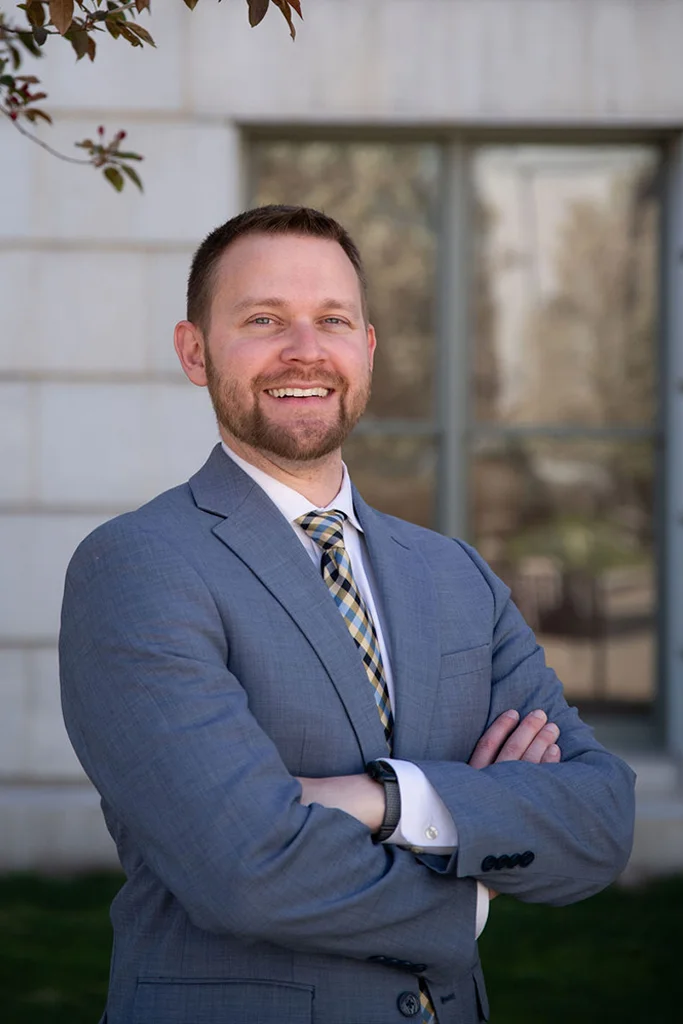
A fourth DUI offense in Colorado is not simply a more serious version of what came before. It is a class 4 felony, and the legal and personal consequences that follow operate on an entirely different level than anything in the misdemeanor tier. Denver felony DUI lawyer Reid DeChant has defended clients facing these charges in courts across the metro area, including cases tried in Jefferson County, Arapahoe County, Adams County, and Douglas County, and he approaches each one with the same preparation he would bring to any serious felony trial.
What Makes a DUI a Felony in Colorado
Colorado law elevates a DUI to felony status under two distinct circumstances. The first and most common is the fourth-offense threshold. When a driver has three prior DUI or DWAI convictions anywhere in the United States, a fourth offense triggers felony classification under Colorado’s persistent drunk driver framework. The prior convictions do not need to be from Colorado. An old conviction from another state, even one that resulted in nothing more than probation years ago, counts toward that total. Prosecutors pull driving records carefully in these cases, and a conviction history that seems minor or distant can have significant weight.
The second path to felony DUI is vehicular assault or vehicular homicide. When an impaired driver causes serious bodily injury to another person, the charge becomes vehicular assault, a class 4 or class 3 felony depending on the level of intoxication. When someone is killed, the charge becomes vehicular homicide, a class 3 felony under DUI conditions. These cases carry the weight of a violent felony conviction and often result in multi-year prison sentences for those convicted at trial or through a plea.
It is also worth understanding how prosecutors in the Denver area approach felony DUI cases compared to misdemeanor ones. The Denver District Attorney’s Office and county DA offices in the surrounding jurisdictions tend to assign more experienced prosecutors to felony DUI files, pursue longer pre-trial investigation periods, and push harder against deferred sentences or probation-only outcomes. The defense strategy has to account for that difference from the first appearance.
The Sentencing Range and What Prosecutors Actually Seek
A class 4 felony DUI in Colorado carries a presumptive range of two to six years in the Colorado Department of Corrections, a fine of two thousand to five hundred thousand dollars, and a mandatory parole term of three years following any prison sentence. Judges have some discretion in sentencing, and alternatives like intensive supervised probation exist for some defendants, but the prosecution’s opening position in felony DUI cases is frequently a prison recommendation, especially where the prior record includes recent offenses or where aggravating factors like a high BAC or a prior felony are present.
For vehicular homicide specifically, the sentencing exposure grows further. A class 3 felony carries four to twelve years in prison under the presumptive range, and because vehicular homicide cases almost always involve victim impact statements and significant media attention in the Denver area, the pressure on judges to impose substantial sentences is real. Prosecutors in these cases also commonly pursue consecutive rather than concurrent sentences if multiple charges arise from the same incident.
Outside of incarceration, a felony DUI conviction triggers permanent driver’s license revocation, firearm restrictions, employment consequences that reach across industries including healthcare, transportation, and professional licensing, and in some cases immigration consequences for non-citizens. Reid’s work on felony DUI cases includes attention to these downstream effects, not just the sentence itself, because a resolution that avoids prison can still devastate a client’s livelihood if those consequences are not addressed in the negotiation.
Where Denver Felony DUI Cases Get Contested
Felony DUI defense does not rise or fall on a single issue. These cases involve layers of evidence, and each layer is a potential point of challenge. The traffic stop itself has to be examined. Law enforcement along I-70, I-25, and C-470 conducts high-volume DUI enforcement particularly on weekend nights and around major events at Ball Arena, Empower Field, and Coors Field. A stop that cannot withstand Fourth Amendment scrutiny does not become valid because the charge is serious. Suppression of evidence obtained from an unlawful stop is fully available in felony DUI cases and can result in dismissal.
Blood and breath testing evidence presents its own set of challenges. Colorado’s express consent law requires that chemical testing be administered within two hours of driving. Reid has obtained dismissals of DMV actions based on violations of that two-hour requirement, and the same argument can carry into the criminal case. The chain of custody for blood samples, the calibration and maintenance records for breathalyzer instruments, and the credentials of the analyst who processed a blood draw are all areas where the evidence can be weak even when the initial numbers look damaging to the defense.
In cases involving prior convictions from out of state, the prosecution’s count of prior offenses is itself a contestable issue. Convictions that were improperly obtained, charges that were reduced to non-DUI offenses, or records that were expunged in the originating state may not properly count. Verifying the validity of prior convictions requires careful research, and errors in that calculation can mean the difference between a felony and a misdemeanor charge.
In vehicular assault and homicide cases, accident reconstruction, toxicology timing, and causation are all central disputes. A driver’s BAC at the time of an accident is not the same as the BAC measured hours later during a blood draw. Retrograde extrapolation, the process of working backward from a later test to estimate earlier intoxication, involves assumptions that qualified experts can challenge effectively.
Questions About Denver Felony DUI Cases
Can a felony DUI be reduced to a misdemeanor in Colorado?
In some circumstances, yes. If there is a viable challenge to whether one or more prior convictions count toward the four-offense threshold, the charge may not meet the felony standard. Prosecutors also occasionally agree to misdemeanor plea resolutions where the evidence has significant weaknesses. The possibility depends heavily on the specific facts of the case, the strength of the defense position, and the policies of the particular DA’s office handling the file.
What happens to my driver’s license after a felony DUI arrest?
Colorado’s DMV will initiate a separate administrative proceeding independent of the criminal case. For a fourth offense, the DMV action typically involves a lengthy revocation period. There is a limited window after arrest to request a DMV hearing, and missing that window means losing the right to contest the revocation. The criminal case and the DMV case run simultaneously, and both require attention from the outset.
Will I go to prison if convicted of felony DUI in Colorado?
There is no guarantee in either direction. Judges have discretion, and some defendants with strong mitigating circumstances, demonstrated treatment compliance, and no history of violence have received probation rather than prison. However, the prosecution commonly seeks incarceration in felony DUI cases, and the risk of a prison sentence is real enough that it must be treated as the likely outcome absent a strong defense or favorable plea negotiation.
Does it matter if my prior DUI convictions are from other states?
Yes, out-of-state convictions count toward Colorado’s four-offense threshold. The statute applies to convictions under any law substantially similar to Colorado’s DUI statutes, which most state DUI laws satisfy. However, whether a specific prior conviction qualifies is a legal question that should be examined closely in every case.
How does vehicular homicide differ from felony DUI in how it is prosecuted?
Vehicular homicide is treated as a violent crime for sentencing purposes, which opens the door to more serious penalties and changes how both judges and prosecutors approach the case. Victim advocacy groups are often involved, victim impact statements carry significant weight at sentencing, and prosecutors in the Denver metro area treat these cases with the full resources of the felony division. The defense requires not only challenging the evidence but often engaging expert witnesses in accident reconstruction and toxicology.
Can immigration consequences flow from a felony DUI conviction in Colorado?
A felony conviction can have significant immigration consequences for non-citizens, including grounds for removal and bars to certain immigration benefits. The interaction between Colorado criminal law and federal immigration law is complex, and anyone with non-citizen status facing a felony DUI charge needs to have those implications specifically addressed as part of the defense strategy.
How soon should I contact a defense lawyer after a felony DUI arrest?
The window to request a DMV hearing is short, often within seven days of the arrest. Missing it forfeits the right to contest the administrative license action. Beyond that, early investigation matters because witnesses are reachable, dashcam and surveillance footage still exists, and the defense has maximum ability to shape how the case develops before the prosecution locks in its theory. Contact should happen as quickly as possible after arrest.
Reid DeChant Handles Felony DUI Cases Across the Denver Metro
DeChant Law represents clients facing felony DUI charges throughout the Denver metro area, including in Denver District Court, Jefferson County, Adams County, Arapahoe County, Douglas County, and Broomfield. Reid’s background as a public defender gave him direct courtroom experience with serious felonies, including trying cases to verdict, and his training at Trial Lawyers College informs how he approaches the human side of every case alongside the legal strategy. A felony DUI charge is a serious matter that deserves thorough preparation, direct communication, and a lawyer who has stood up in court and contested difficult evidence. If you are dealing with a fourth-offense or vehicular DUI charge in the Denver area, contact DeChant Law to discuss your situation directly with Reid.