
Denver County Felony Lawyer
A felony conviction in Colorado does not just mean prison time. It follows you. It shapes where you can live, what jobs you can hold, whether you can own a firearm, how immigration proceedings unfold, and how a family court judge views you in a custody dispute. When Denver County prosecutors file felony charges, they are bringing the full weight of the district attorney’s office against one person. Having a Denver County felony lawyer who understands how the Denver DA operates, how felony cases move through the Denver District Court, and what it actually takes to win at trial is not a luxury. It is the difference between walking out and not.
How Felony Cases Are Classified and Charged in Colorado
Colorado divides felonies into six classes, with Class 1 being the most serious and Class 6 the least. The classification determines the presumptive sentencing range a judge works within, and it shapes every negotiation that happens before trial.
Class 1 felonies include first-degree murder, where life in prison or the death penalty applies. Class 2 and Class 3 felonies cover charges like second-degree murder, first-degree assault, kidnapping, and certain sexual assault offenses. These carry presumptive ranges of eight to twenty-four years and four to twelve years respectively. Class 4, 5, and 6 felonies include charges like vehicular homicide, theft above certain thresholds, and possession of controlled substances, with sentences ranging from one to eight years in the presumptive range.
Beyond the class of felony, prosecutors often charge sentence enhancers. Prior criminal history, use of a deadly weapon, charges involving vulnerable victims, or crimes that qualify as extraordinary risk all push sentences above the presumptive range. This is where the charging document itself becomes a critical battleground. How the DA frames the charges, and which enhancers they attach, shapes what a plea offer looks like before a single motion is filed.
Denver District Court: Where Felony Cases Are Actually Decided
Felony cases in Denver County move through the Denver District Court, located at 1437 Bannock Street. The process begins with an advisement, then a preliminary hearing or grand jury proceeding, then arraignment, and then a pretrial phase that can last months. During that pretrial period, the real work happens.
Motions to suppress evidence, challenges to the sufficiency of the probable cause affidavit, discovery disputes, and early negotiations with the DA’s office all occur before anyone sets foot in a courtroom for trial. Prosecutors in Denver carry heavy caseloads. They make decisions about which cases to take to trial and which to resolve through plea agreements based partly on the strength of the defense they are facing. An attorney who files substantive pretrial motions, who demonstrates command of the evidence, and who has a track record of actually going to trial will get a different response than one who is known to take the first offer.
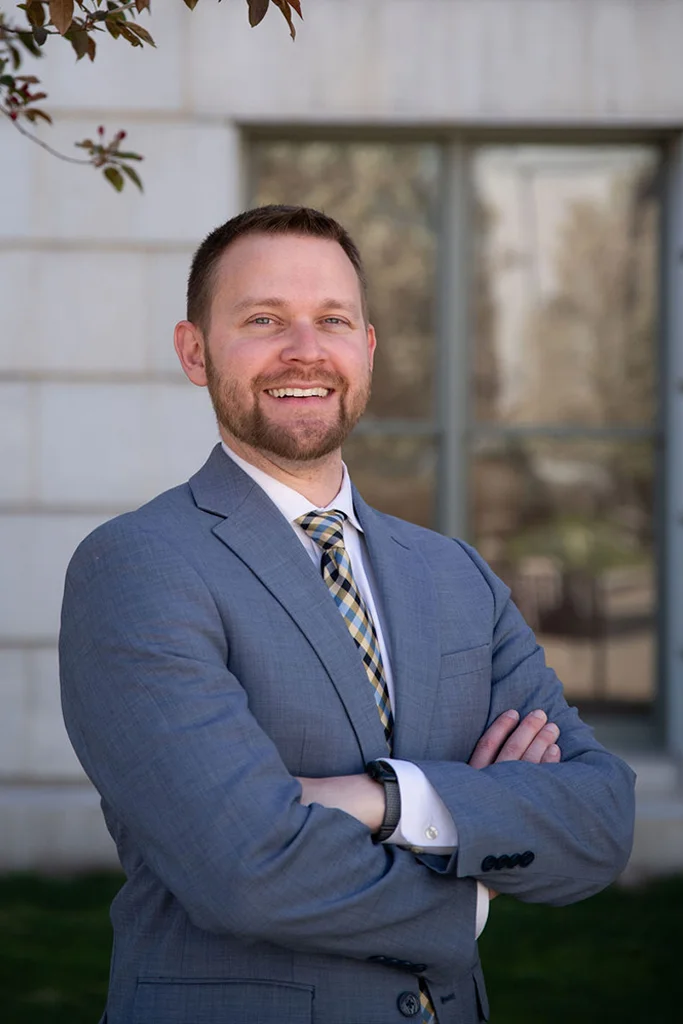
Reid has handled cases across Denver, Adams County, Broomfield, Jefferson County, Douglas County, and Arapahoe County, including felony matters at every stage through verdict. That range of courtroom experience shapes how he approaches Denver felony cases from the very first appearance.
What Actually Gets Felony Charges Reduced or Dismissed
Felony charges get reduced or dismissed for specific reasons. Witness credibility problems. Evidentiary chain of custody issues. Constitutional violations during the stop, search, or arrest. Deficiencies in the probable cause supporting the warrant or the warrantless search. Misidentification. Lab errors in drug or forensic testing.
A thorough review of the police reports, bodycam footage, lab reports, and witness statements often reveals problems the prosecution has not fully accounted for. When those problems are developed into motions and argued before a judge, prosecutors sometimes recalibrate their position. In other cases, the judge suppresses the evidence directly, which can collapse the case entirely.
Reid’s background includes work as a public defender handling serious felonies in Denver, Broomfield, and Adams County. Sexual assaults, homicides, assaults with deadly weapons, and domestic violence charges all came through that office. That experience means he knows how these cases are built from the prosecution side and where they are most vulnerable.
The firm’s case results include a not guilty verdict on two counts of assault with a deadly weapon, a court dismissal on felony menacing in a domestic violence matter, and a not guilty verdict on failure to register as a sex offender, which is itself a felony. Results like those do not happen without digging into the evidence and being prepared to go all the way through trial.
Questions People Ask About Denver Felony Charges
What is the difference between a deferred judgment and a plea of guilty to a felony in Colorado?
A deferred judgment allows a defendant to plead guilty but delay entry of the conviction. If the person completes the conditions of the deferred period without violations, the plea can be withdrawn and the case dismissed. A straight guilty plea results in an immediate conviction on the record. Deferred judgments are not available in every case and are subject to prosecutorial and judicial discretion, but they can be a significant tool depending on the charge and the client’s background.
Can a felony conviction be sealed in Colorado?
Colorado’s record sealing laws do allow for sealing of certain felony convictions, but not all. Drug felonies that resulted in a deferred judgment and dismissal are often sealable. Some other felony convictions have waiting periods before a petition can be filed. Violent felonies, sexual offenses, and a number of other categories are not eligible for sealing. Whether a conviction qualifies requires a case-by-case analysis.
What happens at a felony preliminary hearing in Denver?
At a preliminary hearing, the prosecution must show probable cause that the defendant committed the charged offense. The standard is lower than at trial, but the hearing still gives defense counsel an opportunity to cross-examine witnesses under oath, lock in testimony, and probe weaknesses in the evidence. Preliminary hearings can be waived by the defense in exchange for concessions, which is a tactical decision that depends heavily on the facts of the case.
Does hiring a private felony defense attorney actually make a difference versus a public defender?
Public defenders in Colorado are often skilled attorneys. The realistic difference is capacity. Public defenders carry large caseloads that limit the time they can devote to any single file. A private attorney with a controlled caseload can spend more time on investigation, pretrial motions, and trial preparation. In a felony case where years of someone’s life are at stake, that difference in time and attention matters.
What is an extraordinary risk felony and how does it affect sentencing?
Colorado designates certain offenses as extraordinary risk felonies, which raises the maximum sentence in the presumptive range. For example, a standard Class 3 felony carries a presumptive maximum of twelve years. An extraordinary risk Class 3 felony carries a maximum of sixteen years. Charges in this category include assault in the first degree, child abuse, and certain drug distribution offenses. Understanding whether the charge carries this enhancement changes how sentencing exposure is calculated.
Can a felony charge be reduced to a misdemeanor in Colorado?
Yes. Plea negotiations sometimes result in amended charges at a lower level, or a deferred judgment that leads to dismissal and avoids a felony conviction entirely. Whether a reduction is achievable depends on the severity of the underlying conduct, the client’s criminal history, the strength of the defense, and the specific DA handling the case. These outcomes are negotiated, not automatic.
How long does a felony case typically take in Denver District Court?
Timelines vary considerably. A case resolved through plea agreement might conclude within a few months of the filing. A case that goes to trial in Denver can take a year or longer from filing to verdict, particularly for complex charges involving multiple witnesses, forensic evidence, or co-defendants. The pace of litigation is partly driven by court scheduling and partly by how aggressively the defense is working the pretrial phase.
Facing Felony Charges in Denver County
A felony case in Denver is not a matter to work through passively. Every decision from the first advisement forward has consequences, and the window to build a meaningful defense closes quickly once charges are filed. At DeChant Law, Reid brings the courtroom experience, the investigative discipline, and the commitment to each client’s story that serious felony defense requires. If you are dealing with felony charges in Denver County or the surrounding metro area, contact DeChant Law to talk through where your case stands and what can be done about it.