Chaffee County DUI Defense Lawyer
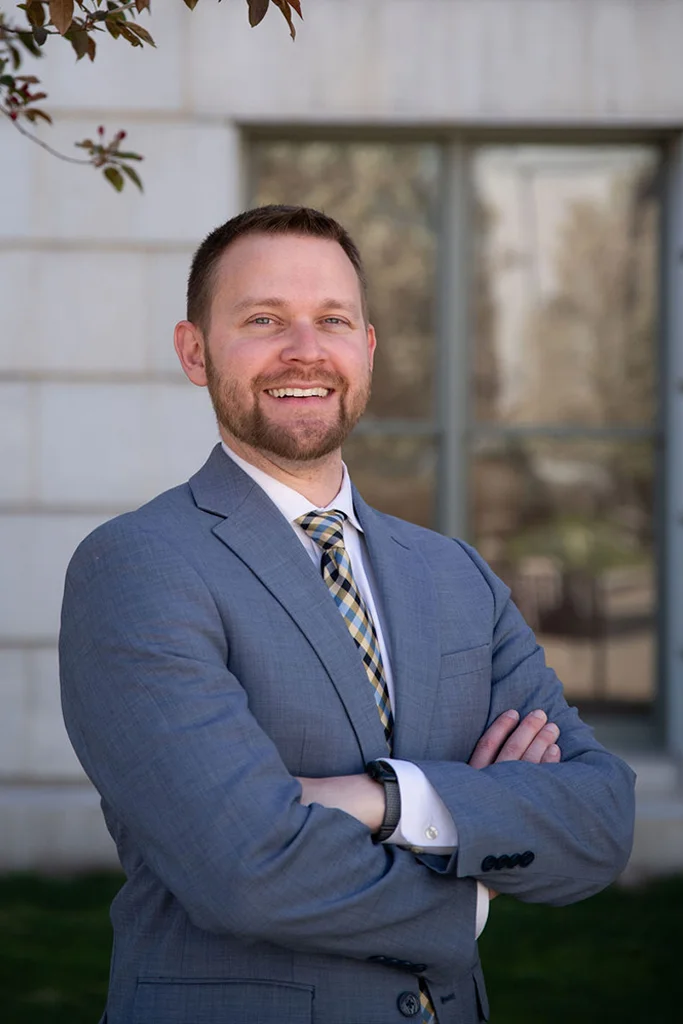
Chaffee County sits along some of Colorado’s most heavily patrolled highway corridors. US-285 through Poncha Springs, Highway 50 into Salida, and the roads threading through Buena Vista see consistent law enforcement presence, particularly during summer rafting season, festival weekends, and holiday stretches when traffic volumes spike. A DUI stop in this area can move quickly from a roadside interaction to an arrest with consequences that extend well beyond a fine. Attorney Reid DeChant has handled Chaffee County DUI defense cases in Colorado courts with the kind of detail-level attention that separates a well-constructed defense from one that simply processes the charge.
What Chaffee County DUI Cases Actually Look Like
The rural character of Chaffee County shapes how these cases unfold in ways that differ noticeably from Denver-area DUI arrests. Law enforcement agencies here include the Chaffee County Sheriff’s Office, Salida Police Department, and Colorado State Patrol, each with their own enforcement patterns along different stretches of road. Many stops happen on long, open highway sections where officers have extended visual opportunity to observe driving before initiating a stop. Others happen in and around Salida’s downtown corridor, particularly on weekends when restaurants and bars generate foot and vehicle traffic late into the evening.
Because Chaffee County is a destination for outdoor recreation, a significant portion of DUI arrests involve people who are visiting the area rather than county residents. That creates a distinct practical problem: the case is filed locally, in Chaffee County District Court or Salida Municipal Court depending on the circumstances, but the defendant may live hours away. Reid understands this logistical reality and works with clients to minimize the burden of court appearances while maintaining active involvement in every stage of the case.
The DMV Hearing Is Separate From Your Court Case, and It Matters
One of the most consequential things to understand about a Colorado DUI arrest is that your driver’s license is subject to action through the DMV entirely apart from whatever happens in criminal court. Under Colorado’s express consent law, drivers who are suspected of DUI and submit to a breath or blood test face an automatic license revocation proceeding if that test returns a result at or above the legal limit. Drivers who refuse testing face a separate but equally serious revocation process.
The DMV hearing must be requested within seven days of the arrest. Missing that window waives your right to contest the revocation. Reid has an established record of success in DMV express consent hearings, including cases dismissed for improper advisements, failures to administer chemical testing within the required two-hour window, and other procedural deficiencies that can invalidate the state’s position. These are not technicalities in the dismissive sense of that word. They are legal standards that exist because the revocation process carries real consequences, and the state is required to follow them precisely.
Winning a DMV hearing does not resolve the criminal case, and a favorable criminal outcome does not prevent a DMV revocation. The two tracks run concurrently, and someone who handles only one without attention to the other leaves a significant gap in their defense.
Where Colorado DUI Law Creates Defensible Issues
A DUI prosecution in Chaffee County typically rests on some combination of the officer’s observations, field sobriety test performance, and a chemical test result. Each of these components carries its own set of reliability questions that a prepared defense attorney will examine from the start.
Field sobriety tests, most commonly the horizontal gaze nystagmus test, walk-and-turn, and one-leg stand, are standardized procedures with specific administration requirements. Performance on these tests is also affected by factors that have nothing to do with alcohol, including fatigue after a day of hiking or rafting, uneven road surfaces common in mountain areas, medical conditions, footwear, and the natural anxiety of being stopped by law enforcement at night. The conditions present in a Chaffee County roadside stop, with elevation, cold temperatures, and sometimes gravel pullouts, can directly affect test performance in ways an officer’s report may not capture.
Breath testing devices require regular calibration and maintenance, and the testing procedure must be followed exactly. Blood testing, which is more commonly used in Colorado for DUI-drug cases or where breath testing is unavailable, requires proper handling, storage, and chain of custody. Any deviation in the blood draw process or the subsequent laboratory analysis creates grounds for challenging the reliability of the result. Reid reviews the full evidentiary record in every case rather than accepting test results at face value.
Beyond the evidence, the initial stop itself must be legally justified. An officer must have a reasonable articulable suspicion that a traffic violation or criminal offense occurred before initiating contact. If the basis for the stop does not meet that standard, any evidence gathered during the encounter may be subject to suppression, which can significantly alter the direction of the case.
DUI Penalties in Colorado and Why Early Representation Matters
A first DUI offense in Colorado carries penalties that include jail time ranging from five days to one year, fines between $600 and $1,000, a nine-month license suspension, community service, and mandatory alcohol education classes. A DWAI charge, which applies at a BAC between 0.05% and 0.079%, carries lighter but still serious penalties. A second or third offense escalates the consequences substantially, and a fourth DUI becomes a Class 4 felony in Colorado with potential prison time.
Beyond the formal penalties, a DUI conviction appears on your driving record and your criminal record. For someone with a commercial driver’s license, a professional license, or immigration concerns, the collateral consequences can outweigh the criminal penalties themselves. Reid’s background includes handling DUI cases involving CDL holders, medical professionals, and individuals with immigration status considerations, areas where the stakes extend well past the courtroom.
Engaging a defense attorney early, before the first court appearance, allows for review of the arrest report and evidence while details are fresh and before procedural deadlines close off certain options. The seven-day window for the DMV hearing alone is a reason not to wait.
Questions About Chaffee County DUI Cases
Which court handles DUI cases in Chaffee County?
Most DUI cases in Chaffee County are filed in the Chaffee County Combined Court in Salida. Depending on where the arrest occurred and the applicable ordinances, some cases may proceed through a municipal court. Reid has experience working across Colorado courts and will identify the correct venue and applicable procedures for your case.
Does a DUI charge in Chaffee County affect someone who lives in another county or state?
Yes. Colorado courts have jurisdiction over the case regardless of where you live. A conviction in Chaffee County will typically be reportable to your home state under interstate compacts, which means your home state’s DMV may also take action against your license. Reid has experience advising clients who were arrested while visiting Colorado and can work with you on the specific cross-state implications.
What happens if I refused a breath or blood test?
Refusal triggers a separate DMV revocation process with longer revocation periods than a failed test in many circumstances. It also cannot be used as evidence that you were impaired, though prosecutors will often argue the inference. The DMV hearing is still available to you after a refusal, and you should still request it within seven days of your arrest.
Can a DUI charge be reduced or dismissed in Colorado?
Yes. Colorado DUI cases do resolve through dismissal or reduction to lesser charges like DWAI, careless driving, or other traffic offenses in appropriate circumstances. The outcome depends on the strength of the evidence, the specific facts of the stop and testing, and the effective presentation of any legal deficiencies. Reid’s case results include DUI dismissals and not-guilty verdicts at trial in multiple counties.
How does a DUI-drugs case differ from an alcohol-based DUI in Chaffee County?
DUI-drugs cases do not involve a breath test and typically rely on blood testing analyzed for drug content. The science and interpretation of drug impairment from blood results is contested territory, particularly with substances like marijuana where THC metabolite levels do not map cleanly onto actual impairment at the time of driving. These cases require close examination of the blood evidence and, in some circumstances, expert analysis.
What is the Express Consent law and when does it apply?
Colorado’s Express Consent law provides that any person who drives in the state has implicitly consented to chemical testing if a law enforcement officer has probable cause to believe the driver is impaired. The law applies to breath and blood testing. The officer is required to provide a specific advisement about the consequences of refusal and the testing options available. Errors in how that advisement is given are grounds for challenging the DMV action, and Reid has successfully obtained dismissals on that basis.
Will I need to appear in Chaffee County court if I live in Denver or out of state?
Initial appearances typically require a presence, though Reid works to streamline court attendance for clients who live at a distance. In some circumstances, he can appear on your behalf for certain hearings. The goal is to handle the obligations of your case effectively without requiring your presence at every proceeding where it is not legally required.
Talk to a Chaffee County DUI Attorney Before Your First Court Date
A DUI arrest in Salida, Buena Vista, or anywhere in Chaffee County puts two separate proceedings in motion at once. Reid DeChant is a Colorado DUI defense attorney who brings hands-on trial experience and a record of favorable outcomes across the Denver metro and surrounding mountain counties. Working with a Chaffee County DUI attorney who understands both the criminal and DMV sides of these cases, and who will actually try the case if that is what it takes, gives you the best foundation for a real defense. Contact DeChant Law to discuss what happened and what options are available to you.