Alamosa Sex Crimes Lawyer
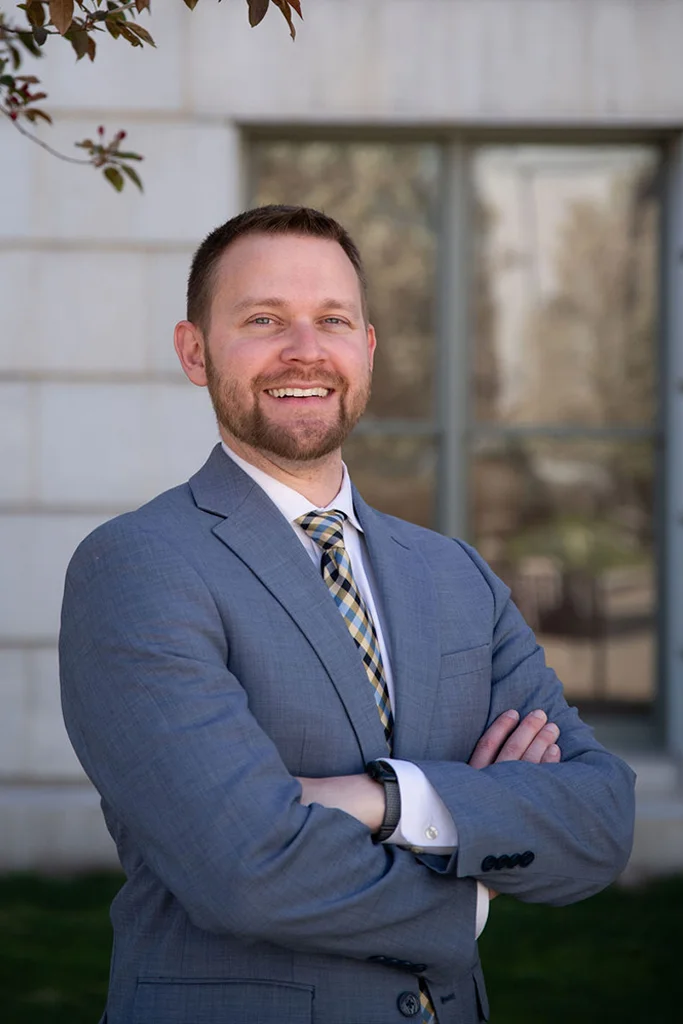
Sex crime charges carry a weight that extends far beyond any courtroom. A conviction, or even a pending charge, can cost someone their career, their housing, their family relationships, and their standing in a small community like Alamosa. Reid DeChant, Alamosa sex crimes lawyer at DeChant Law, has handled cases at this level of severity, including sexual assault charges during his time as a public defender. He brings that direct experience to private practice with the same commitment to understanding each client’s full story, not just the police report version of it.
What Colorado Actually Charges in Sex Crime Cases
Colorado draws a wide perimeter around sex offenses, and what gets charged in Alamosa can range considerably in severity. Sexual assault under C.R.S. 18-3-402 covers non-consensual sexual intrusion or penetration and is typically prosecuted as a class 4 felony at minimum, but circumstances can push it to a class 2 felony with mandatory prison time. Unlawful sexual contact, enticement, and internet-based solicitation offenses are also commonly filed in Alamosa County, sometimes as standalone charges and sometimes layered together to increase pressure on the defendant.
The Rio Grande area, including Alamosa and surrounding San Luis Valley communities, is relatively small. That means charges in this region carry a social dimension that larger metro areas do not. People know each other. Rumors spread before any verdict is reached. The Alamosa County District Court handles these prosecutions, and local prosecutors can be aggressive given the public sensitivity around these cases. Understanding the specific statute you are charged under matters enormously, because each carries different sentencing ranges, different mandatory minimums, and different registration consequences.
Sex Offender Registration in Colorado: What It Actually Means for Your Life
A conviction for a qualifying sex offense in Colorado triggers registration under the Colorado Sex Offender Registration Act, and this is often the part of a sentence that outlasts everything else. Registration is not a one-time event. It requires periodic in-person check-ins with local law enforcement, restrictions on where you can live, and in many cases, public listing through online databases. For someone living in Alamosa, where the community is tight-knit and local news travels fast, this consequence is not abstract.
The length of required registration depends on the offense level. Some individuals must register for a minimum of ten years. Others face lifetime registration. Failure to register as required is its own felony charge under C.R.S. 16-22-112, which is why people who were convicted of underlying offenses sometimes end up back in court on registration violations years later. Reid has handled failure to register cases and understands how both the underlying conviction and the registration requirements interact. Getting the registration outcome right begins at the resolution of the original charge, which is why the defense strategy has to account for it from the start.
How These Cases Are Actually Built, and Where They Can Be Challenged
Sex crime investigations typically rely on a combination of evidence: complainant statements, physical or forensic evidence, electronic communications, and sometimes third-party witnesses. In Alamosa and throughout southern Colorado, many of these cases start with a report to local law enforcement or the Alamosa County Sheriff’s Office and proceed to the Colorado Bureau of Investigation for forensic analysis. The investigation period, often before any arrest, is a critical window.
Witness credibility sits at the center of most sex crime cases. Physical evidence is often limited or ambiguous. Statements made by complainants can evolve between the initial report and trial. Electronic communications, text messages, and social media exchanges often tell a more complicated story than what appears in the probable cause affidavit. Surveillance footage, if it exists from nearby businesses or institutions like Adams State University, can corroborate or contradict key allegations about timing and location.
Consent is frequently the disputed issue in adult sexual assault cases, and the defense in those situations requires careful reconstruction of the full context surrounding the encounter. Reid’s training at Trial Lawyers College centered on the power of storytelling in the courtroom, which matters deeply when the goal is showing a jury or judge the full picture rather than the truncated version a prosecutor presents. False or mistaken accusations do occur. Motivations matter, and investigating them is part of thorough defense work.
For cases involving minors, the evidentiary dynamics shift. Interview techniques used with child witnesses are subject to reliability challenges. Delayed disclosures, suggestive questioning, and contaminated interviews are legitimate and established areas of challenge that defense attorneys raise in hearings. The science around memory and suggestibility is well-developed, and it applies directly to how law enforcement and child advocacy center professionals conduct forensic interviews in cases like these.
Questions People Ask Before Hiring an Alamosa Sex Crimes Attorney
If I have been investigated but not yet charged, should I talk to law enforcement?
No. Declining to speak with investigators is not an admission of guilt, and it does not make your situation worse legally. Statements made voluntarily before you have counsel are often used selectively in ways that harm you. Contact an attorney first, before any interview takes place.
What happens at the first court appearance in Alamosa County?
Your first appearance involves hearing the charges against you and addressing bond conditions. The court will determine whether you are released pending trial and may impose restrictions like no contact with the alleged victim or limitations on where you can go. Having counsel at this stage matters because bond conditions in sex crime cases can be sweeping and difficult to modify later.
Is it possible to have a sex crime charge reduced or dismissed?
Yes. Charges are reduced or dismissed based on evidentiary weaknesses, investigative errors, constitutional violations during the investigation, or negotiated resolutions that reflect the actual facts of the case. Outcomes vary significantly. Past results do not guarantee future performance, but the quality of the defense strategy directly affects what outcomes are available.
Can internet or social media evidence be suppressed?
Potentially. How law enforcement obtained digital evidence matters. If a search warrant was defective, if data was obtained without proper authorization, or if the chain of custody for electronic records is flawed, suppression may be appropriate. These are fact-specific questions that require a careful review of the investigative record.
Does a sex crime arrest affect my immigration status?
Sex offenses are among the most serious categories of conviction for immigration purposes. Certain offenses qualify as aggravated felonies under federal immigration law, which can trigger mandatory deportation with almost no relief available. Anyone who is not a U.S. citizen facing these charges needs defense counsel who understands the immigration consequences alongside the criminal ones.
What if the alleged conduct took place in a different county but I live in Alamosa?
Venue generally follows the location of the alleged offense, not where the defendant lives. If the conduct occurred in a different county, that county’s district attorney would likely prosecute it in that county’s court. However, where you live affects practical matters like where you report to register and where you interact with supervision authorities if probation is involved.
How long do sex crime cases typically take to resolve in Colorado?
These cases move slowly. Between investigation, charging, discovery, pretrial motions, and either a plea or trial, a year or more is common. Cases involving digital forensics, multiple witnesses, or complex factual disputes can stretch longer. That timeline is part of why early legal intervention, before charging if possible, tends to produce better outcomes.
Facing a Sex Crime Charge in Southern Colorado
The courts serving Alamosa and the surrounding San Luis Valley, including Conejos, Costilla, and Saguache Counties under the 12th Judicial District, are not large urban dockets where cases disappear into a crowd. These are communities where the weight of a charge is felt immediately and the path to a fair outcome requires deliberate, careful work. DeChant Law represents clients facing Alamosa sex crime charges with the same tenacity and attention to the full human story that Reid brings to every case. Reach out to talk through your situation and what a realistic defense strategy looks like for your specific circumstances.