Alamosa Criminal Defense Lawyer
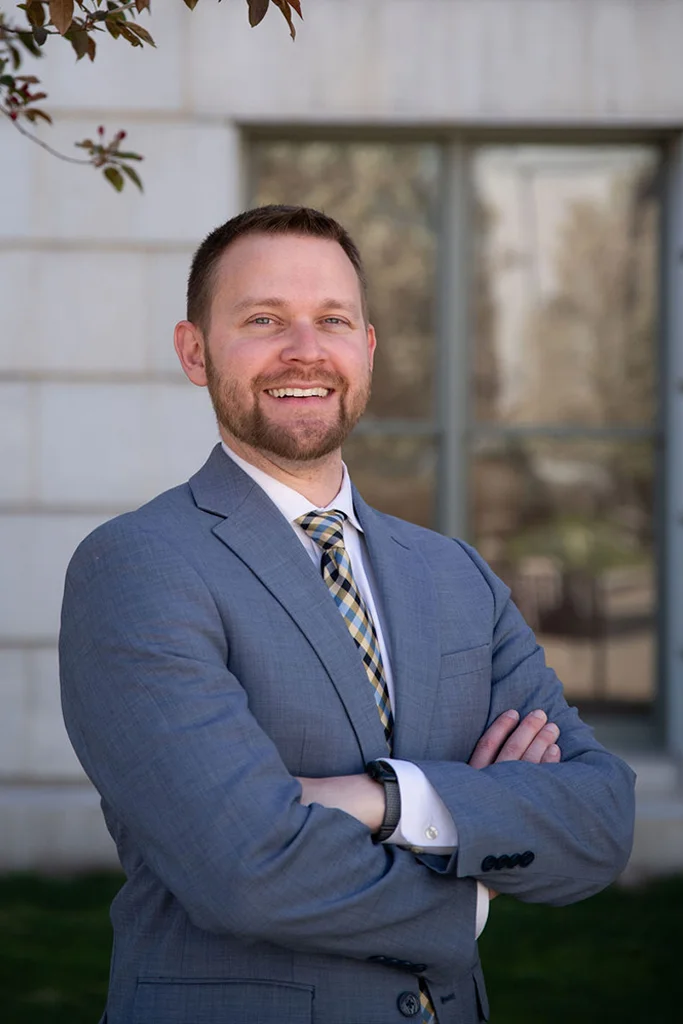
Alamosa sits at the heart of the San Luis Valley, and the cases that move through the 12th Judicial District courthouse reflect the region’s particular character. Rural law enforcement, a different pace of prosecution, and a local court culture that out-of-town attorneys often misjudge. Reid DeChant, an Alamosa criminal defense lawyer who has handled everything from traffic offenses and DUI to assault, domestic violence, and felony charges, brings the kind of trial-tested preparation that these cases demand. His background as a public defender across multiple Colorado counties gave him a ground-level view of how criminal cases actually move through the system, and that experience translates directly to clients in Alamosa and across the San Luis Valley.
Criminal Defense Services in Alamosa
Choose the issue that matches your case. These pages cover charges and proceedings that may arise in Alamosa.
What the 12th Judicial District Means for Your Case
Colorado’s 12th Judicial District covers Alamosa, Conejos, Costilla, Mineral, Rio Grande, and Saguache counties. Defendants who have only dealt with courts in Denver or the Front Range are often surprised by how differently things operate here.
Judges in smaller districts tend to have longer memories. Local prosecutors know local law enforcement personally. The same district attorney’s office that filed the charge against you may have a working relationship with the officer who arrested you that stretches back years. That dynamic cuts both ways. It can mean a more rigid attitude toward certain charges, particularly domestic violence and DUI, where the office may feel community pressure to prosecute vigorously. It can also mean that a well-prepared defense that holds the evidence up to scrutiny carries real weight, because everyone in the room knows that a trial is genuinely possible.
Reid has handled cases in Colorado counties outside the Front Range and understands that effective representation in a rural district means doing the preparation that makes prosecutors take notice before any hearing begins.
Charges That Appear Frequently in Alamosa County
Agricultural communities along the San Luis Valley generate a specific pattern of criminal charges. DUI and DWAI arrests along US-160 and US-285 are common, particularly near Alamosa and Monte Vista. Law enforcement in the valley runs checkpoints and patrols routes that connect communities spread across significant distances, and the driving patterns of rural life mean that stops can happen at all hours.
Domestic violence charges move through the 12th Judicial District in volume. Colorado’s mandatory arrest policy means that police responding to a domestic call are required to make an arrest if they find probable cause, regardless of whether the alleged victim wants charges filed. Once arrested, a defendant typically faces an automatic protection order that can affect housing, employment, and child custody before any conviction has occurred. The district attorney’s office retains the authority to continue pursuing charges even if the alleged victim later recants or declines to cooperate.
Drug possession charges, including methamphetamine and prescription medications without valid prescriptions, surface regularly in this part of Colorado. The proximity to I-25 and the regional highway network also generates drug interdiction stops where the charge begins with a traffic encounter and escalates quickly based on what officers claim to have found.
Assault charges, theft, and trespass-related offenses round out the common charge types. For anyone facing felony charges in Alamosa, the stakes involve potential state prison time, probation with intensive supervision, and consequences that extend into employment, housing, and immigration status if applicable.
How a Criminal Case in Alamosa Actually Moves
Most criminal defendants in Alamosa have no prior experience with the court system. Understanding what actually happens between arrest and resolution matters, because decisions made early in the process have lasting consequences.
After arrest, a defendant appears for a first advisement, usually within 48 hours. The judge will set bail and enter a protection order if the charge involves domestic violence. At this stage, having an attorney present is significant. Bond conditions, protection order terms, and the initial case framing can all be addressed before the matter drifts toward a default outcome.
Arraignment follows, where a formal plea is entered. Then the case enters a period of discovery and motions practice. This is where real defense work happens. An attorney reviews police reports, body camera footage, witness statements, chemical test records, and any evidence the prosecution intends to use. Motions to suppress evidence based on unlawful stops, improper search and seizure, or constitutional violations in the collection of evidence can change the shape of a case entirely. Reid’s training at Trial Lawyers College specifically addresses the kind of storytelling and case theory development that makes this phase more than just paperwork.
From there, cases either resolve through negotiation or proceed to trial. Some clients have charges dismissed during motions practice. Others secure plea agreements that substantially reduce exposure. Some cases go all the way to a jury. Reid has tried cases to verdict, including not guilty verdicts in DUI and assault cases, and that willingness to go to trial shifts the entire negotiation dynamic.
DUI Defense in the San Luis Valley
Impaired driving charges carry layered consequences in Colorado. There is the criminal case in district or county court, and there is the separate DMV proceeding that can result in license revocation through the express consent process. Both run on their own timelines, and missing the deadline to request a DMV hearing results in automatic revocation regardless of what happens in the criminal case.
Reid has an extensive record of DMV express consent dismissals, including cases dismissed for improper advisements, failure to administer chemical testing within the required time window, and other procedural violations. In rural areas like Alamosa, law enforcement agencies sometimes operate with fewer resources and less oversight of proper procedure, which can create legitimate challenges to how a stop and arrest were conducted.
Whether a client is facing a first DUI or a repeat offense, the defense approach has to account for both tracks simultaneously. Waiting to address the DMV side until after the criminal case resolves is a mistake that permanently affects driving privileges.
Questions Alamosa Defendants Actually Ask
Do I need a lawyer from Alamosa specifically, or can someone from Denver handle my case?
You do not need a lawyer who is physically located in Alamosa. Colorado attorneys are licensed statewide and can appear in any county. What matters is whether your attorney understands how the 12th Judicial District operates, has the time to prepare your case properly, and has actual trial experience if that becomes necessary. Proximity to a local courthouse is less important than preparation and track record.
What happens if I have an out-of-state license and get a DUI in Alamosa?
Colorado’s DMV can still take action against your privilege to drive in Colorado, and Colorado reports the conviction to your home state through interstate compacts. Most states will then impose their own consequences on your home license. This makes early intervention in both the criminal and DMV proceedings more important, not less.
Will a domestic violence charge go away if the alleged victim does not want to press charges?
Not automatically. In Colorado, the district attorney’s office decides whether to pursue charges, not the alleged victim. Prosecutors can and do continue cases even when the alleged victim recants or requests dismissal. The strength of the remaining evidence, witness credibility, and the defense strategy all affect how the case ultimately resolves.
What is the difference between a plea agreement and going to trial in a rural Colorado county?
A plea agreement is a negotiated resolution, typically involving a reduced charge or a cap on sentencing, in exchange for a guilty plea. Going to trial means a jury decides the outcome. In a small district, juries are drawn from the local community, which can cut different ways depending on the charge and the facts. Both paths have real implications, and the right choice depends entirely on the specific evidence in your case.
Can a felony conviction in Alamosa be sealed from my record later?
Colorado allows record sealing for many convictions, though eligibility depends on the offense type and how much time has passed. Certain charges, including some domestic violence convictions and sex offenses, are excluded. If you were arrested but not convicted, sealing eligibility may come sooner. An attorney can evaluate your specific situation and walk through what Colorado’s current sealing statutes allow.
What should I do if I cannot afford bail after an Alamosa arrest?
If bail is set at an amount you cannot meet, your attorney can request a bail reduction hearing and argue that conditions short of cash bail, like a personal recognizance bond or pretrial supervision, are appropriate. The longer you sit in custody, the harder it is to assist in your own defense. Addressing bail early is a practical priority, not just a comfort issue.
How long do criminal cases in the 12th Judicial District typically take to resolve?
Timelines vary considerably based on charge severity, court scheduling, and whether the case goes to trial. Misdemeanor matters may resolve in a few months. Felony cases often run six months to over a year. Rural courts sometimes have longer gaps between hearing dates because of the geographic demands on judges and prosecutors who cover multiple counties.
Reid DeChant Handles Criminal Charges Across Southern Colorado
From Alamosa to Monte Vista to Antonito, the criminal courts of the San Luis Valley require a defense attorney who takes the work seriously and prepares as though every case might go to trial. DeChant Law represents defendants facing criminal charges throughout Alamosa County and the surrounding region, covering everything from first DUI arrests to complex felony matters. If you are looking for an Alamosa criminal defense attorney who will handle your case with honesty about where it stands and real commitment to the outcome, reach out to DeChant Law to talk through what you are facing.