Telluride Felony Lawyer
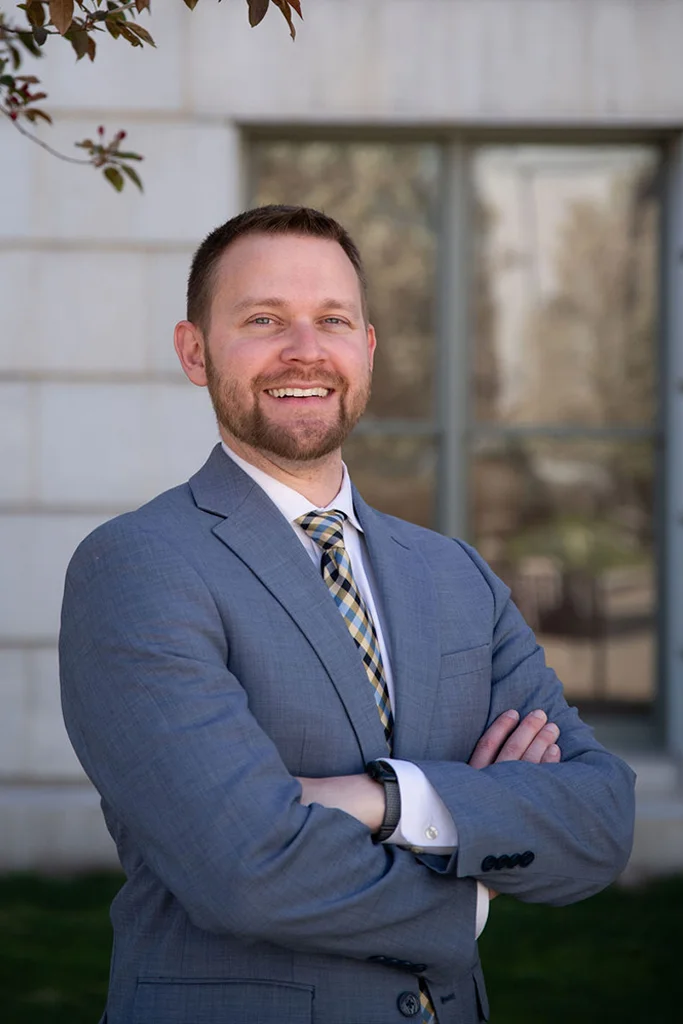
Felony charges in San Miguel County carry consequences that reach far beyond a courtroom verdict. A conviction can end a professional license, bar someone from federal housing, strip away firearm rights, and follow a person through every background check for the rest of their life. When those charges arise in a mountain community like Telluride, where the local economy, tight-knit social circles, and San Miguel County District Court all operate in ways that differ meaningfully from Denver or its suburbs, the decisions made in the early stages of a case shape everything that comes after. Reid DeChant at DeChant Law has built his practice around exactly these kinds of high-stakes situations, bringing courtroom experience from his time as a public defender and in private practice to clients who cannot afford to have this go wrong.
What Telluride Felony Cases Actually Look Like in San Miguel County
San Miguel County is a small jurisdiction by Colorado standards, which has practical consequences for anyone facing Telluride felony lawyer searches after an arrest in the area. The District Attorney’s office covering this region handles far fewer cases than metro-area offices, but that does not mean charges move slowly or quietly. Resort communities generate a particular mix of felony cases: drug distribution charges that arise from the festival season and the transient population that accompanies large events, assault and domestic violence felonies connected to alcohol-heavy nightlife near Main Street and Mountain Village, property crimes tied to the affluence of the area, and financial crimes that sometimes emerge from business disputes or construction projects in the region.
Colorado classifies felonies from Class 1 through Class 6, with Class 1 being the most serious and Class 6 the least. Even a Class 6 felony carries the possibility of 12 to 18 months in prison and fines up to $100,000. Class 2 through Class 4 felonies, which cover offenses like aggravated assault, certain drug distribution charges, and burglary, carry mandatory prison ranges that can reach decades. Extraordinary risk felonies and crimes of violence carry sentence enhancements that remove much of the court’s discretion. Understanding where a charge falls in that classification structure and what the DA’s office has to actually prove to get there is the work that begins before any plea discussion or preliminary hearing.
The Decision Points That Determine How a Felony Case Ends
Felony cases in Colorado move through a defined procedural sequence, but the meaningful decisions do not happen at the hearings themselves. They happen in the hours, days, and weeks before those hearings, when evidence is still being gathered, when the DA is still deciding whether to amend charges, and when the defense has its best opportunity to shape the narrative. The decision about whether to demand a preliminary hearing or waive it matters. The decision about whether to challenge the legality of a stop, a search, or a statement can determine whether key evidence survives. The decision about whether to push toward trial or negotiate a resolution requires an honest assessment of what a jury in San Miguel County is likely to hear and believe.
Reid approaches these decisions the way he described learning at Trial Lawyers College: by understanding the person at the center of the case, not just the legal categories. That matters because felony sentences in Colorado are individualized in ways that generic legal strategy misses. A defendant with no prior record and strong community ties faces a different set of realistic outcomes than someone with a prior felony. Employment history, mental health background, substance use treatment, and family circumstances all factor into what a court will accept at sentencing. Getting the outcome right means building a complete picture, not just filing motions and hoping for the best.
How Colorado’s Felony Sentencing Framework Shapes the Defense Strategy
Colorado uses a presumptive sentencing system for most felonies, but that presumptive range has real teeth. For Class 3 felonies, the presumptive range runs from 4 to 12 years in the Department of Corrections. For Class 4, it is 2 to 6 years. Probation is available for some Class 4, 5, and 6 felonies under certain conditions, but crimes of violence and certain drug felonies take probation off the table entirely. Deferred judgments, which allow a conviction to be vacated upon successful completion of probation, are another potential resolution for first-time offenders on eligible charges. Whether any of these outcomes are achievable in a specific case depends heavily on the charge, the defendant’s history, and the strength of the evidence.
Drug felonies in Colorado operate on a somewhat separate track. Following reforms to the state’s drug laws, personal use quantities of most controlled substances are now misdemeanors rather than felonies, but distribution, manufacturing, and possession with intent to distribute remain serious felonies. In a tourist and festival destination like Telluride, where large quantities of controlled substances sometimes come through during events like Telluride Bluegrass or the Film Festival, distribution charges can arise from circumstances that were not what they appear on the surface. Challenging those charges requires understanding how law enforcement builds distribution cases, what evidence they rely on, and where that evidence is vulnerable.
Questions People Ask Before Hiring a Telluride Felony Attorney
Can a felony charge be reduced to a misdemeanor in Colorado?
Yes, charge reductions happen in Colorado felony cases through plea negotiation, and they are more common than people expect. Whether a reduction is available depends on the specific charge, the defendant’s criminal history, the strength of the evidence, and what the DA’s office is willing to offer. Some charges have statutory restrictions on what they can be reduced to. Others have more flexibility. Discussing the realistic range of outcomes with a felony defense attorney early in the case gives a clearer picture of what a reduction might look like and what it would require.
What happens at a preliminary hearing in a Colorado felony case?
A preliminary hearing is where a judge decides whether probable cause exists to send the case forward to trial. The standard at this stage is much lower than proof beyond a reasonable doubt, so the DA does not need to prove the full case. However, preliminary hearings can still be strategically valuable. They force witnesses to testify under oath before trial, locking in their statements and exposing inconsistencies early. Not every felony defendant waives this hearing, and whether to demand one or waive it is a tactical decision worth discussing carefully.
Does a felony conviction in Colorado automatically mean prison time?
Not necessarily. Probation and deferred judgments are available for certain felony classes, particularly Class 4, 5, and 6 offenses where the defendant has no prior record and the charge does not trigger mandatory sentencing provisions. That said, the presumptive sentencing ranges in Colorado are real, and judges do impose them. First-time offenders on lower-class felonies have more options than repeat offenders or those charged with violent or drug distribution offenses.
How does a felony charge affect a Colorado driver’s license?
Certain felony convictions trigger license consequences independent of the criminal sentence. Vehicular assault, vehicular homicide, DUI-related felonies, and hit-and-run charges can result in license revocation through the DMV process, which runs parallel to the criminal case. Reid’s background includes handling DMV Express Consent hearings alongside criminal charges, which matters when both tracks are running at the same time.
Can a felony be sealed from my record in Colorado?
Colorado’s record sealing laws do allow certain felony convictions to be sealed, though the rules are more restrictive than for misdemeanors. Most Class 1 through 3 felonies are not eligible. Some drug felonies, Class 4 through 6 felonies, and dismissed felony charges may qualify after waiting periods and other requirements are met. Evaluating eligibility requires reviewing the specific conviction and how Colorado’s sealing statutes apply to it.
What does it cost to defend a felony case in Colorado?
Felony defense costs vary significantly based on the complexity of the charges, whether the case goes to trial, and how much investigation and expert work the defense requires. A case that resolves through a plea at an early stage costs less than one that proceeds to a jury trial. What matters most is understanding what you are deciding when you accept a resolution, because the long-term costs of a felony conviction, lost employment, housing restrictions, and professional licensing consequences, often exceed what the legal defense would have cost.
Should I speak to law enforcement before I have an attorney?
No. This is one of the few genuinely universal answers in criminal defense. Law enforcement in San Miguel County and everywhere else in Colorado is permitted to use statements made during an interview against a defendant in court. People frequently believe they can explain their way out of trouble in those conversations. The evidence consistently shows that is not how those conversations end. Saying nothing until you have spoken with a lawyer is not an admission of guilt. It is a recognition of how the process actually works.
Reaching a Telluride Felony Defense Attorney at DeChant Law
The earlier a defense attorney gets involved in a felony case, the more options remain open. Evidence can be preserved, witnesses can be interviewed before their memories shift, and early case assessment can reveal whether there are legal challenges worth pursuing before the case ever gets to a formal hearing. Reid DeChant has handled felony cases across the Denver metro and surrounding counties, building a practice grounded in the kind of courtroom readiness that comes from actual trial experience rather than routine plea processing. For anyone facing felony charges in Telluride or the surrounding San Miguel County area, connecting with a Telluride felony attorney who will give an honest, case-specific assessment of where things stand is the decision that makes every other decision easier to make correctly.