Grand County Criminal Defense Lawyer
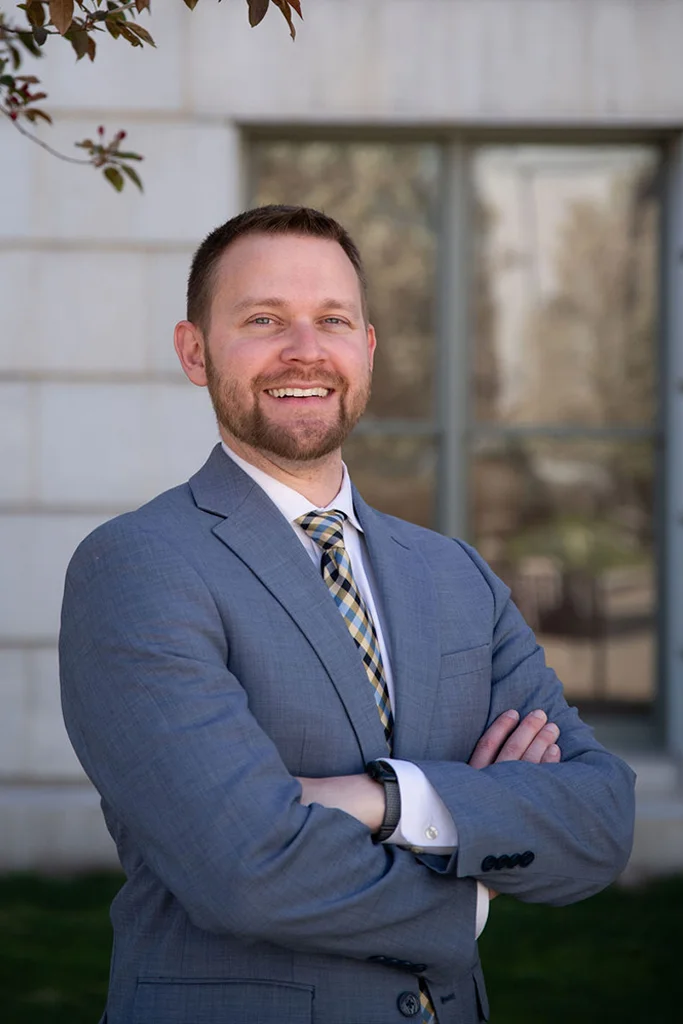
Grand County sits at the intersection of mountain recreation and serious criminal enforcement. Law enforcement in Winter Park, Granby, Kremmling, and across the county operates with the same tools and authority as any urban jurisdiction, and the courts expect defendants to navigate Colorado’s criminal code without accommodation for unfamiliarity. Reid DeChant is a Grand County criminal defense lawyer who has worked criminal cases from the inside out, first as a public defender handling everything from traffic offenses to homicides, and now in private practice. That background shapes how he approaches every case: with a clear understanding of how the system works, what the prosecution needs to prove, and where their case has gaps.
What Criminal Cases Actually Look Like in Grand County
The criminal docket in Grand County reflects the character of the area. A significant portion of cases involve driving offenses, DUI and DWAI chief among them, because Highway 40 and US-34 carry heavy traffic year-round and law enforcement runs enforcement operations near ski resort corridors, particularly around Winter Park and Granby Ranch. Snowmobile and ATV operation while impaired generates charges that most people do not realize carry criminal consequences equivalent to driving a car on the road.
Assault and domestic violence charges arise frequently in vacation and seasonal worker communities. A dispute at a rental property or a confrontation in a bar on a weekend trip can trigger a mandatory arrest under Colorado’s domestic violence statutes, even when both parties want the matter resolved privately. Once an arrest happens, the decision about whether to prosecute belongs to the DA, not to the alleged victim. That distinction matters enormously when building a defense.
Property crimes, hunting and wildlife violations, drug possession cases, and weapons offenses round out the typical caseload. Grand County may feel remote, but the 14th Judicial District prosecutes cases aggressively, and the penalties available under Colorado law do not vary by county.
The Gap Between Arrest and Conviction Is Where Defense Work Happens
There is often a significant difference between what law enforcement believes happened and what can actually be established in court. Reid’s work starts well before any courtroom appearance. That means reviewing the body camera footage, the police report, the chain of custody for any evidence collected, and whether the stop, search, or arrest was constitutionally sound in the first place.
In impaired driving cases, which are common throughout Grand County, the technical requirements for administering field sobriety tests and chemical testing are precise. Colorado’s express consent law requires specific advisements, and the testing itself must be administered within defined timeframes. When law enforcement does not follow those requirements exactly, the consequences can include suppression of the chemical test result or dismissal of the DMV express consent action entirely. DeChant Law has a track record of achieving those outcomes in DMV hearings across Colorado.
In assault and domestic violence cases, Reid focuses on the specific facts: what the evidence actually shows, what witnesses actually observed, and how mandatory arrest policies sometimes produce charges that do not reflect the full picture of a situation. He has taken domestic violence cases to trial and obtained dismissals and not-guilty verdicts, including cases dismissed by the DA at trial when the evidence did not hold up under scrutiny.
The work is less about dramatic courtroom arguments and more about thorough preparation: knowing the file cold, identifying the weakest points in the prosecution’s case, filing the right motions, and being ready to go to trial if that is what the case requires. Reid trained at Trial Lawyers College and understands that effective advocacy requires understanding the client’s story and telling it in a way that resonates with a jury. That starts with listening carefully, not just to the legal facts but to the person involved.
DMV and License Consequences That Run Parallel to the Criminal Case
One of the most disorienting things about a DUI arrest in Grand County is that it immediately triggers two separate proceedings. The criminal case in district or county court is one. The DMV express consent hearing, which can result in license revocation entirely independent of how the criminal case resolves, is the other. Many people do not realize the DMV action has its own strict deadline for requesting a hearing, and missing that window means automatic revocation without any opportunity to contest it.
DeChant Law handles both the criminal defense and the DMV hearing side of these cases. The express consent hearing is not a formality. The DMV has dismissed actions in cases handled by this firm, including dismissals for improper advisements and for failure to administer chemical testing within the two-hour window Colorado law requires. For someone who depends on a vehicle to work or live in a rural area like Grand County, protecting the license matters as much as the criminal outcome.
Questions People Ask Before Calling a Grand County Defense Attorney
Can I handle a criminal case in Grand County without hiring a private attorney?
The public defender’s office handles cases in Grand County, and those attorneys are generally capable. The difference with private representation is attention and capacity. A private attorney typically carries a smaller caseload, which allows for more thorough investigation, more time with the client, and more preparation at each stage. For cases that could result in jail time, a felony record, or license loss, that difference often matters.
What happens if I was arrested while visiting Grand County from out of state?
Out-of-state defendants still have to appear in Grand County court, or retain an attorney who can appear on their behalf for certain hearings. Additionally, a Colorado conviction will typically be reported to your home state’s DMV. If you hold an out-of-state commercial driver’s license, the consequences can extend further. These cases require coordination, and working with an attorney familiar with how Colorado handles out-of-state license issues is important.
Is a DWAI charge less serious than a DUI?
A DWAI carries criminal penalties and adds points to your license, just like a DUI. It is a separate charge under Colorado law, triggered by a BAC between 0.05% and 0.079%, and while the sentencing ranges differ slightly from a DUI, a DWAI conviction still creates a criminal record and can affect insurance, employment, and future charges. It should not be treated as a minor infraction.
If the person who called the police does not want to press charges, will the case go away?
Not necessarily, and this is one of the most common misunderstandings in domestic violence cases. Under Colorado law, once law enforcement makes an arrest for domestic violence, the prosecution has independent authority to proceed regardless of what the alleged victim wants. The DA’s office may subpoena the complaining witness to testify. The victim’s desire not to pursue charges is relevant, but it is not dispositive. Defense strategy in these situations requires understanding what evidence exists beyond the complainant’s cooperation.
What are the consequences of a felony conviction in Grand County beyond jail time?
A Colorado felony conviction can result in loss of voting rights during incarceration, prohibition on firearm possession, immigration consequences for non-citizens, difficulty securing housing and employment, and barriers to professional licensing. For those in Grand County who work in outdoor recreation, guiding, or industries requiring background checks, a felony record can close off significant opportunities. Understanding the full scope of what a conviction means is part of what shapes how Reid approaches case strategy.
How does trial experience actually affect how a criminal case is handled?
Prosecutors and judges know which defense attorneys have actually tried cases and which ones settle everything. An attorney with genuine trial experience creates a different kind of pressure in plea negotiations, because the other side knows the case might actually go to trial. Reid has taken DUI cases, assault cases, domestic violence cases, and sex offense cases to verdict. That experience is not separate from how he handles pre-trial work. It informs everything.
Does DeChant Law handle cases outside of Denver?
Yes. Reid handles criminal defense cases across Colorado, including in Grand County and throughout the surrounding mountain communities. Distance from Denver does not limit the representation. Many hearings can be attended on the client’s behalf, and the investigation and preparation work happens regardless of geography.
Defending Criminal Charges in the Mountain Communities of Grand County
Reid DeChant has handled criminal cases across the Denver metro area and throughout Colorado, from traffic offenses and drug charges to serious felonies. For someone facing charges in Grand County, the distance from a major city should not mean settling for less thorough representation. A Grand County criminal defense attorney who prepares the case carefully, understands Colorado’s evidentiary rules, and is willing to take a case to trial when the facts support it gives every client a real chance at a better outcome than the one the prosecution is offering. If you have been charged in Grand County, DeChant Law is ready to look at what actually happened and figure out the strongest path forward.