Berthoud Felony Lawyer
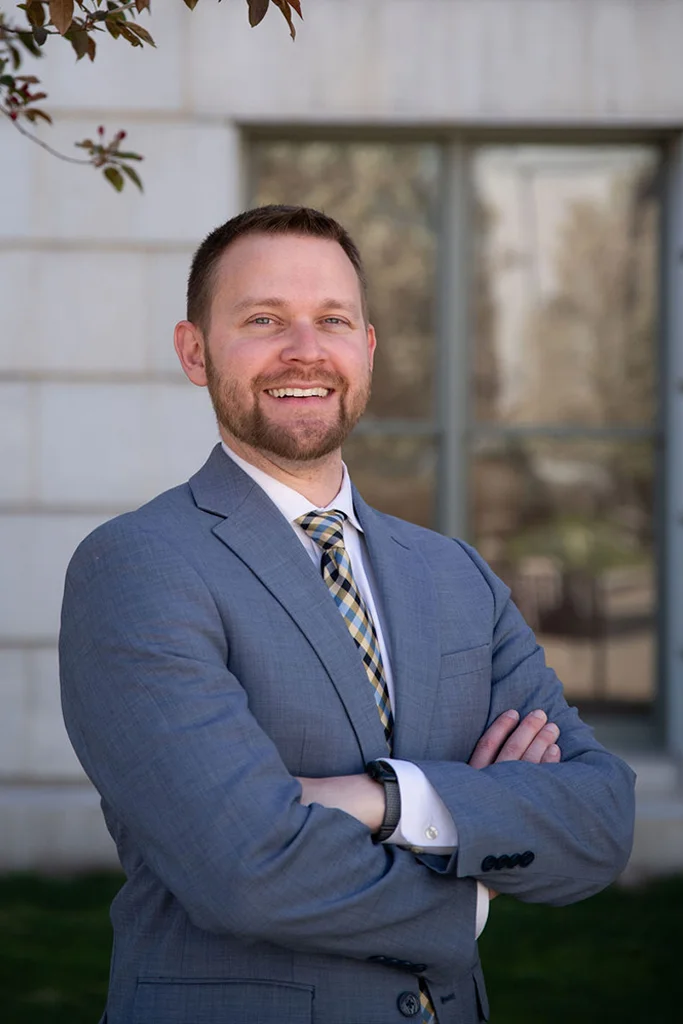
A felony charge in Berthoud carries weight that follows a person long after the courthouse doors close. Larimer County prosecutes these cases with significant resources, and the gap between a conviction and a dismissal often comes down to whether the defense was built on a real understanding of how these charges move through the system. Reid DeChant is a Berthoud felony lawyer who has worked both sides of the courtroom, as a public defender and in private practice, defending everything from drug offenses and assault charges to homicide. That background shapes how DeChant Law approaches every case that comes through the door.
What a Felony Conviction Actually Costs in Colorado
Colorado organizes felonies into six classes, and the difference between a Class 6 and a Class 2 is not just a matter of prison time. It touches employment, housing, professional licensing, firearm rights, immigration status, and the ability to vote while incarcerated. Even at the lower end, a Class 6 felony carries a presumptive range of 12 to 18 months in the Department of Corrections, with a mandatory two-year parole period following release. Class 1 and Class 2 felonies carry sentences measured in decades, and certain charges come with sentence enhancers, like prior felony convictions or weapon use, that can push a sentence well beyond the presumptive range.
What rarely gets discussed upfront is the collateral record. Colorado does not automatically seal felony convictions. Certain convictions, particularly violent ones, are not eligible for sealing at all. Others require waiting periods of several years after full completion of the sentence, including parole. For someone in Berthoud working in agriculture, construction, healthcare, or any licensed trade, a conviction on the permanent record is not an abstract future concern. It is an immediate and concrete obstacle. The defense strategy from day one has to account for the full picture, not just the criminal penalty listed in the statute.
How Larimer County Prosecutes Felony Cases
The Larimer County District Attorney’s Office handles felony matters out of the Larimer County Justice Center in Fort Collins. Berthoud sits in the southeastern corner of Larimer County, not far from the Weld County line, and cases arising there follow the Larimer County charging and courtroom process. For certain offenses that straddle county boundaries or involve Interstate 25, jurisdictional questions can occasionally arise and are worth examining early.
The DA’s office in Larimer County has a reputation for taking violent offenses, sex crimes, and repeat drug distribution seriously. Cases are typically reviewed at the filing stage by experienced deputies who evaluate evidence quality before charges are formally filed in district court. This pre-filing window matters. A defense attorney who engages early, before formal charging decisions are made, sometimes has the ability to present information that affects whether certain counts are filed, how charges are classified, or whether an alternative disposition is offered from the outset. Waiting until after an Information or Indictment is filed narrows the options considerably.
After a formal filing, Larimer County felonies proceed through advisement, preliminary hearing or preliminary hearing waiver, arraignment, pre-trial conferences, and ultimately trial or disposition. Reid understands this calendar and knows that the preliminary hearing stage, often skipped in cases where defendants feel pressured to waive it, can be a meaningful opportunity to test the prosecution’s evidence, lock in witness testimony, and build a factual record that shapes the rest of the case.
Defense Strategies That Actually Move the Needle in Felony Cases
The strongest felony defenses are almost never the ones that sound the most dramatic. They come from methodical work on the evidence. In drug cases, that means examining the chain of custody, the search that produced the evidence, and whether probable cause actually supported the warrant or the traffic stop. In assault and domestic violence felonies, it means reviewing the 911 recording, the responding officer’s body camera footage, and any prior statements made by the complaining witness, because inconsistencies between those statements and trial testimony are often where cases fall apart for the prosecution.
At Trial Lawyers College, Reid studied what it actually takes to connect with a jury. It begins with the client’s story, not just the legal theory. Jurors decide cases through narrative, and a defense that reduces a human being to a legal argument rarely lands the way a defense that helps jurors understand the full context of a situation does. That philosophy applies equally to how DeChant Law prepares motions, deposes witnesses, and builds the record for trial. The goal in every felony case is to find where the prosecution’s case is weakest, whether that is the evidence, the witnesses, the constitutional basis for the investigation, or the legal theory itself, and press on that weakness with everything the case has.
Reid has taken felony cases to verdict, including charges of assault with a deadly weapon and domestic violence felonies, and secured not guilty verdicts and dismissals across multiple Colorado counties. That trial experience matters because it changes how prosecutors evaluate cases during plea negotiations. A defense attorney known to try cases is treated differently than one who always resolves matters short of trial.
Questions Worth Asking Before a Berthoud Felony Case Gets Much Further
Can a felony charge in Berthoud ever be reduced to a misdemeanor?
Yes, in some circumstances. Charge reductions happen through negotiations with the Larimer County DA’s office, often in exchange for a plea to a lesser offense or as part of a deferred judgment arrangement. The likelihood depends on the nature of the offense, the defendant’s criminal history, the strength of the prosecution’s evidence, and whether there are mitigating factors that shift the equities. Drug cases in particular have statutory pathways that allow for misdemeanor treatment under certain conditions.
What is a deferred judgment and why does it matter in Colorado?
A deferred judgment is an agreement where a defendant pleads guilty but sentencing is deferred for a period, typically one to four years, during which the defendant completes conditions like probation, treatment, or community service. If all conditions are met, the plea is withdrawn and the charge is dismissed. Successful completion also generally makes the record eligible for sealing. In a felony context, this is often one of the best available outcomes and not every defendant knows to ask about it.
What is a preliminary hearing and should it be waived?
A preliminary hearing requires the prosecution to show probable cause that the defendant committed the charged felony. It is a relatively low standard for the prosecution to meet, but it is still a live evidentiary proceeding where witnesses testify and can be cross-examined. Waiving the preliminary hearing is sometimes strategically appropriate, but it should never be a reflexive choice. In some cases, conducting the hearing creates a sworn record that benefits the defense at trial or in plea discussions later.
How does a felony charge affect a commercial driver’s license or professional license?
This is one of the most important questions to raise early and it depends entirely on the type of license and the nature of the charge. CDL holders face both federal and state consequences for many felony convictions, some permanent. Professional licenses in healthcare, real estate, law, and other regulated fields are governed by the relevant licensing board, and those boards have their own standards that often differ from the criminal court outcome. The criminal case and the licensing consequence need to be tracked in parallel.
Is it possible to seal a felony conviction in Colorado?
Some felony convictions can be sealed after a waiting period, provided the offense is not on the list of crimes that are categorically ineligible. Violent crimes, most sex offenses, and certain other categories cannot be sealed regardless of how much time has passed. For eligible offenses, the waiting period is calculated from the end of the sentence including parole, not from the conviction date. Understanding the sealing landscape before a case resolves helps in evaluating plea offers, because accepting a conviction that is permanently unsealable is a different decision than accepting one that can eventually be cleared.
What happens if the alleged victim wants to drop the charges?
In Colorado, the victim does not control whether charges are dropped. Once a felony charge is filed, the decision to proceed or dismiss belongs to the district attorney’s office. A victim’s desire not to cooperate can affect the prosecution’s ability to prove its case, particularly in domestic violence matters where the complaining witness is often the primary source of evidence. But the DA can still move forward using other evidence, and some offices regularly do. The defense has to build its strategy around what the prosecution actually has, not around what the victim says they will or will not do.
Reach Out Before the Case Gets Away From You
The decisions made in the early stages of a felony case in Berthoud tend to set the trajectory for everything that follows. Whether the question is how to approach an upcoming hearing, whether to accept a plea offer, or how to build a defense worth taking to trial, DeChant Law works through those questions with you directly. Reid has handled felony cases across Larimer County and throughout the Denver metro area, and he brings the same preparation and tenacity to every case regardless of where it is filed. Contact DeChant Law to speak with a Berthoud felony attorney about where your case stands and what the realistic options actually look like.