Johnstown Sex Crimes Lawyer
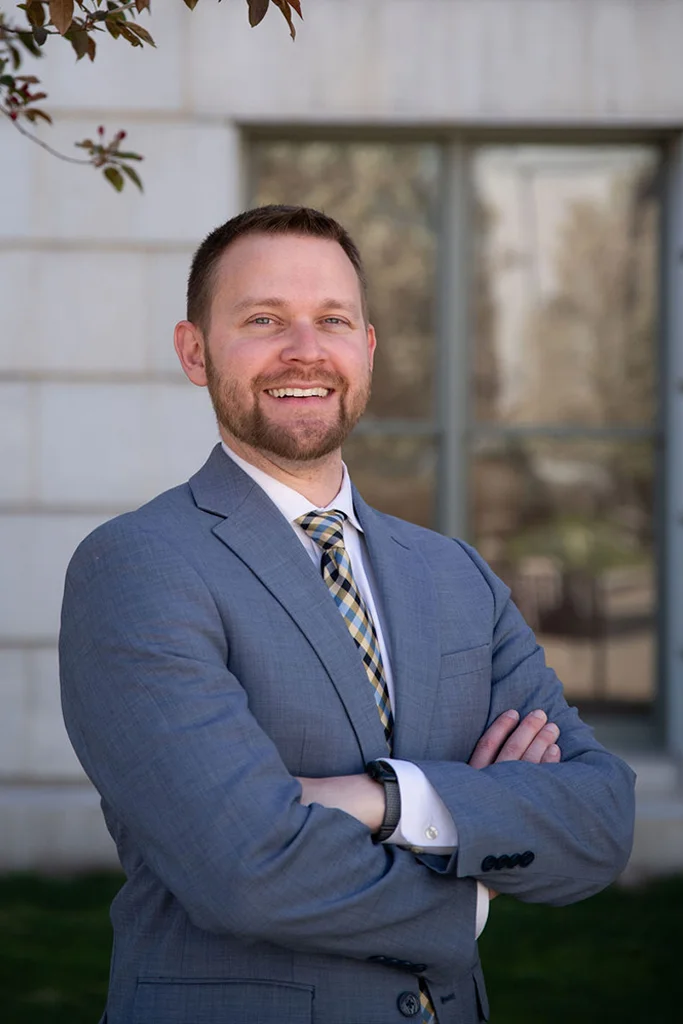
A sex crimes charge carries consequences that reach into almost every corner of a person’s life, from where they can live and work to how family relationships hold together under the pressure of an open case. Johnstown sex crimes lawyer Reid DeChant works with people facing these charges at every level, from misdemeanor sexual contact allegations to serious felony counts, and treats each case as the distinct matter it is. His background handling serious criminal defense matters in Denver, Adams County, Broomfield, and across the Front Range means he understands what these prosecutions look like from the inside and what actually moves the needle in court.
What Colorado Sex Crimes Prosecutions Actually Look Like in Weld County
Sex crimes cases in Colorado are prosecuted under Title 18 of the Colorado Revised Statutes, with charges ranging from unlawful sexual contact at the misdemeanor level through sexual assault, which is a class 4 felony that can elevate significantly based on circumstances. Weld County prosecutors handle these cases at the Weld County Justice Center in Greeley, and they tend to approach sex crimes charges aggressively, often filing at the highest supportable level and adding sentence-enhancing allegations that shift the burden of proof dynamics at trial.
Johnstown sits in Weld County, which means cases involving residents or incidents occurring in Johnstown, Milliken, or the surrounding areas move through the 19th Judicial District. Understanding how that district’s courts and prosecutors approach these cases is not an abstraction. It directly affects bail hearings, plea offers, and trial strategy. The 19th Judicial District has particular tendencies in how it handles evidence involving digital communications, prior relationship history, and complaining witness credibility, all of which play into how a defense is built.
The Charges That Carry the Heaviest Long-Term Weight
Colorado’s sex crimes statutes cover a wide range of conduct, and the charge you actually face determines not just potential prison time but also the registration requirements that follow a conviction. Sexual assault under C.R.S. 18-3-402 is the core felony charge and carries a presumptive range of two to six years in prison as a class 4 felony. But many of the aggravating factors built into the statute, such as a victim under 15, use of force, or a position of trust, can push a charge into class 3 or even class 2 felony territory with indeterminate sentencing. An indeterminate sentence means the Department of Corrections does not simply release someone when a minimum term is served. It means continued evaluation and potential incarceration far beyond the initial sentence range.
Internet-based charges add another layer. Solicitation of a child online under C.R.S. 18-3-306 and Internet sexual exploitation of a child under C.R.S. 18-3-405.4 are increasingly common charges in Weld County, particularly in communities like Johnstown where law enforcement task forces conduct active sting operations. These cases involve unique evidentiary issues around digital forensics, chain of custody for device data, and entrapment defenses that require a different analytical framework than a traditional contact offense.
The Colorado Sex Offender Registration Act governs who must register, how often, and for how long. Depending on the tier assigned by the Sex Offender Management Board, registration can last ten years, twenty years, or an entire lifetime. Registration affects housing eligibility, employment background checks, proximity restrictions to schools and parks, and travel. For someone living in a growing community like Johnstown, those restrictions carry immediate practical weight.
Where Defense Strategy Actually Starts
Many sex crimes prosecutions in Colorado begin not with physical evidence but with a statement. Law enforcement investigators are trained in the Reid Technique and similar interview methods, and many defendants speak extensively with detectives before understanding what they are being investigated for. If a statement was taken without proper Miranda advisements, or if the interview was coercive, suppression becomes a viable early motion. Reid’s background as a public defender, where he handled sexual assault and homicide cases, gives him a working understanding of what detective interviews reveal when the transcripts are actually read carefully.
Physical and digital evidence in sex crimes cases is rarely as straightforward as the prosecution presents it. DNA results, toxicology reports, cell phone extractions, and medical examination findings all require scrutiny. Each has a chain of custody that must be documented, tested by a qualified expert, and contextualized. The Colorado Bureau of Investigation lab handles many of the forensic reports in Weld County cases, and its findings are not infallible. Defense-side experts in DNA analysis, digital forensics, or forensic nursing have altered the outcome of these cases when retained early enough to actually examine the evidence before trial.
Complaining witness credibility is a central issue in a large percentage of sex crimes cases. Colorado’s rape shield statute, C.R.S. 18-3-407, limits what prior sexual conduct evidence can come in at trial but does not bar all evidence of bias, motive, or prior inconsistent statements. Identifying those inconsistencies, understanding what prior communications exist between the parties, and knowing how to properly raise these issues through pretrial motions is the kind of detailed work that separates a vigorous defense from a passive one.
Questions Worth Having Answered Before You Move Forward
What happens if I was only investigated and not yet charged?
An investigation without a formal charge is still a serious situation. Prosecutors file charges when they believe they have enough evidence, and the investigation phase is when that evidence is gathered. Retaining a defense attorney during the investigation can affect what statements you give, whether you are subjected to additional interviews, and whether law enforcement makes certain forensic requests that might later be challenged.
Can a sex crimes charge in Colorado be reduced or dismissed before trial?
Yes. Outcomes short of trial include case dismissal at preliminary hearing if probable cause is not established, dismissal on pretrial motions, and negotiated pleas to reduced charges. The viability of any of these paths depends on the specific facts, the strength of the state’s evidence, and the quality of the pretrial litigation. Nothing about dismissal or reduction is automatic, but it is a realistic goal in a significant number of cases.
Does the sex offender registry apply to all convictions?
Not every sex-related conviction in Colorado triggers registration, but many do. Even certain misdemeanor convictions can result in a registration requirement. The specific statute of conviction controls, and one of the most significant strategic questions in plea negotiations is whether a proposed resolution includes or avoids a registration requirement.
What is an indeterminate sentence and does it apply to my case?
Colorado’s Colorado Sex Offender Lifetime Supervision Act applies to certain felony sex offense convictions and replaces the standard determinate sentencing structure with a minimum-to-life range. The Colorado Department of Corrections and the Sex Offender Management Board evaluate release eligibility. Not all sex crimes convictions trigger this structure, but class 3 and class 2 sexual assault convictions often do. Understanding at the outset whether your charge carries this exposure matters enormously for evaluating any plea offer.
Can I be charged based only on an accusation without physical evidence?
Yes. Colorado law does not require corroborating physical evidence to charge or convict someone of sexual assault. Cases built on complaining witness testimony alone are prosecuted regularly. That does not mean they are strong cases, but it does mean that the absence of physical evidence does not make a charge disappear on its own.
Should I talk to a detective if they contact me?
Politely declining to speak with investigators without an attorney present is a right, and exercising that right cannot be used as evidence of guilt. Investigators may suggest that cooperation will help resolve matters quickly or informally. Those conversations carry significant risk, and what you say can be used to support charges even if that was not the original framing of the contact.
What courts handle sex crimes cases for people in Johnstown?
Charges involving incidents in Johnstown are handled in Weld County District Court in Greeley. Depending on the level of offense, initial appearances and advisements may occur in county court before the case is bound over to district court following a preliminary hearing or waiver.
Reach Out to a Johnstown Sex Offense Defense Attorney
A sex offense investigation or charge does not have a resolution that handles itself. The decisions made early, around statements, evidence preservation, expert retention, and pretrial motions, tend to define what options remain by the time a case reaches its later stages. Reid DeChant has represented clients facing serious criminal charges at every stage of the process, from investigation through trial, and his trial experience is genuine, not theoretical. If you are dealing with a sex crimes accusation in Johnstown or anywhere in Weld County, reaching out to a Johnstown sex offense defense attorney who has actually tried these cases is the most direct way to understand where you stand and what options are worth pursuing.