Pueblo Felony Lawyer
A felony charge in Pueblo carries consequences that reach far beyond a courtroom verdict. Convictions can strip away voting rights, bar you from owning firearms, close off entire employment sectors, and follow you through every background check for the rest of your life. When the charges are this serious, the decisions made in the earliest stages of a case, what to say, what not to say, when to push back, and how to read the prosecution’s hand, often determine everything that follows. DeChant Law represents people facing Pueblo felony charges who need a lawyer willing to do the work, challenge the evidence, and fight in court if that is what the case demands.
How Felony Cases Move Through Pueblo’s Courts
Felony cases in Pueblo are handled through the Pueblo County District Court, located downtown on West 10th Street. The path from arrest to resolution is longer and more complex than most people expect, and each stage carries its own set of strategic considerations.
After an arrest, there is typically an advisement hearing where charges are formally presented and bond is set. A preliminary hearing may follow, where a judge determines whether the prosecution has sufficient evidence to proceed. This hearing matters more than many defendants realize. A skilled defense lawyer can use the preliminary hearing to test the strength of the prosecution’s case, lock witnesses into testimony, and sometimes get charges reduced or dismissed before a trial ever becomes necessary. From there, a case proceeds through arraignment, pretrial motions, and either a plea resolution or trial.
Pueblo County prosecutors handle everything from drug distribution cases tied to the I-25 corridor to violent offenses, weapons charges, and property crimes across the city’s residential and commercial areas. The district attorney’s office pursues felony charges with significant resources. Going into that process without thorough preparation is a serious mistake, and going in with a lawyer who treats your case as one of dozens on a crowded docket is not much better.
What Colorado Felony Classifications Actually Mean for Your Future
Colorado divides felonies into six classes, ranging from Class 6 at the lower end to Class 1 at the most serious. Class 6 felonies carry presumptive sentences of 12 to 18 months in prison. Class 1 felonies, which include first-degree murder, carry life sentences. Between those extremes sit the charges that make up most of what the Pueblo District Court handles: Class 2, 3, 4, and 5 felonies covering offenses like aggravated robbery, second-degree assault, residential burglary, felony drug charges, and sexual assault.
Beyond the prison term itself, a felony conviction in Colorado triggers mandatory parole supervision, which can last from one year for lower-level felonies to three years or more for serious violent offenses. Probation is available for some felony classes, but it is not guaranteed, and the conditions attached can be deeply restrictive. There are also extraordinary risk felony designations that push sentences above the presumptive range, and prior conviction enhancements that can dramatically increase what a prosecutor is authorized to seek.
Understanding where a charge falls within this structure matters because it shapes the negotiating landscape. A felony drug charge, for example, might be eligible for a deferred judgment or diversion that keeps a conviction off the record entirely. A Class 3 felony involving violence will be prosecuted with very different tools. Knowing which arguments are available, and which ones are not, requires someone who works in Colorado’s felony courts regularly.
Defense Approaches That Actually Affect Felony Outcomes
Effective felony defense is not about finding a single magic argument. It is about systematically examining every piece of evidence, every witness statement, every procedural step the police and prosecution took, and identifying where the case against you is weak. That process looks different depending on the charge.
In cases built on physical evidence, chain of custody and lab protocol matter. If evidence was collected improperly, stored incorrectly, or tested by a lab with documented issues, those problems can be raised through motions to suppress or challenges at trial. In cases that depend heavily on witness identification, reliability is often the central question. Research on eyewitness memory, lineup procedures, and the conditions under which identifications were made can be critical. In drug cases near Pueblo’s commercial corridors or along I-25, the legality of the stop or search that produced the evidence is frequently the deciding factor.
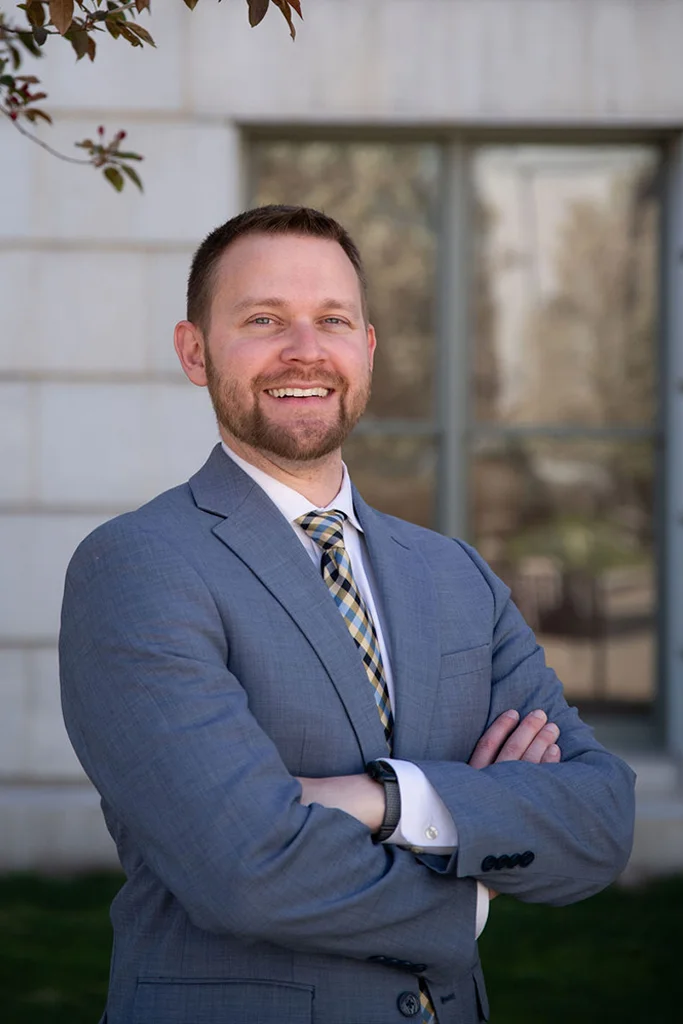
Attorney Reid DeChant has tried cases to verdict across multiple Colorado counties, including charges that range from DUI to assault with a deadly weapon to domestic violence allegations. That trial experience matters in felony defense because prosecutors make different calculations when they know a defense lawyer is genuinely prepared to go to trial. A case that might resolve on unfavorable terms against an unprepared opponent can look very different when the defense is ready to put the prosecution’s evidence in front of a jury.
Questions Worth Asking Before a Felony Case Reaches a Resolution
Can a Pueblo felony charge ever be reduced to a misdemeanor?
Yes, in some circumstances. Plea negotiations, cooperation agreements, and certain diversion programs can result in a reduced charge. For some first-time offenders, a deferred judgment can resolve the case without a formal conviction appearing on the record. Whether any of these options are available depends heavily on the specific charge, the strength of the evidence, and the defendant’s prior record.
What happens at a preliminary hearing and should I fight it?
A preliminary hearing is a chance for a judge to assess whether the prosecution has probable cause to proceed. Defense attorneys can cross-examine witnesses and challenge evidence at this stage. Some lawyers waive this hearing without much thought, but it can be a valuable opportunity to gather information, test witnesses, and sometimes reveal weaknesses in the case that lead to better outcomes down the road.
How does a prior felony conviction affect a new felony case in Colorado?
Colorado’s sentencing scheme treats prior felony convictions as aggravating factors that can push sentences above the standard presumptive range. A prior conviction does not automatically disqualify someone from probation or alternatives to prison, but it significantly complicates the negotiating position and makes thorough case preparation even more important.
Will I have to register as a sex offender if convicted of a felony sexual assault charge in Pueblo?
Colorado requires sex offender registration for convictions involving certain sexual offenses, and those requirements can last for years or be lifetime obligations depending on the classification. Registration has wide-ranging consequences for housing, employment, and daily life, which is why these cases require defense from the earliest stage of the proceedings.
Is a deferred judgment the same as a dismissal?
No. A deferred judgment is an agreement where the defendant pleads guilty but sentencing is delayed. If the defendant completes the required conditions over a set period, the case is dismissed and the plea is withdrawn. If the conditions are violated, the original guilty plea stands and sentencing proceeds. It is a meaningful option in the right case, but it is not without risk.
How long does a Pueblo felony case typically take to resolve?
Felony cases move slower than misdemeanors. Between the initial advisement, preliminary hearing, discovery review, pretrial motions, and any trial scheduling, cases commonly take six months to over a year from arrest to resolution. Complex cases involving multiple counts, co-defendants, or extensive forensic evidence can take longer. That timeline is not wasted time when it is used to build the strongest possible defense.
What does it cost to hire a private felony defense lawyer in Pueblo?
Attorney fees vary based on the complexity of the case, the charges involved, and the likelihood of trial. What matters is whether the investment in representation is proportionate to what is at stake. A felony conviction can affect earning potential, career licensing, housing eligibility, and civil rights for decades. The cost of inadequate representation tends to far exceed the cost of thorough representation.
Facing a Serious Felony in Southern Colorado
DeChant Law works with clients facing felony charges throughout the Denver metro area and beyond, including those navigating proceedings in Pueblo County District Court. Attorney Reid DeChant brings genuine trial experience to every case, not just the threat of it, and the firm’s track record includes not guilty verdicts and dismissals across a range of serious charges. If you are looking for a Pueblo felony attorney who will actually prepare your case, understand the full scope of what you are facing, and make decisions based on your specific situation rather than a generic playbook, reach out to DeChant Law to discuss where things stand.