Pueblo DUI Defense Lawyer
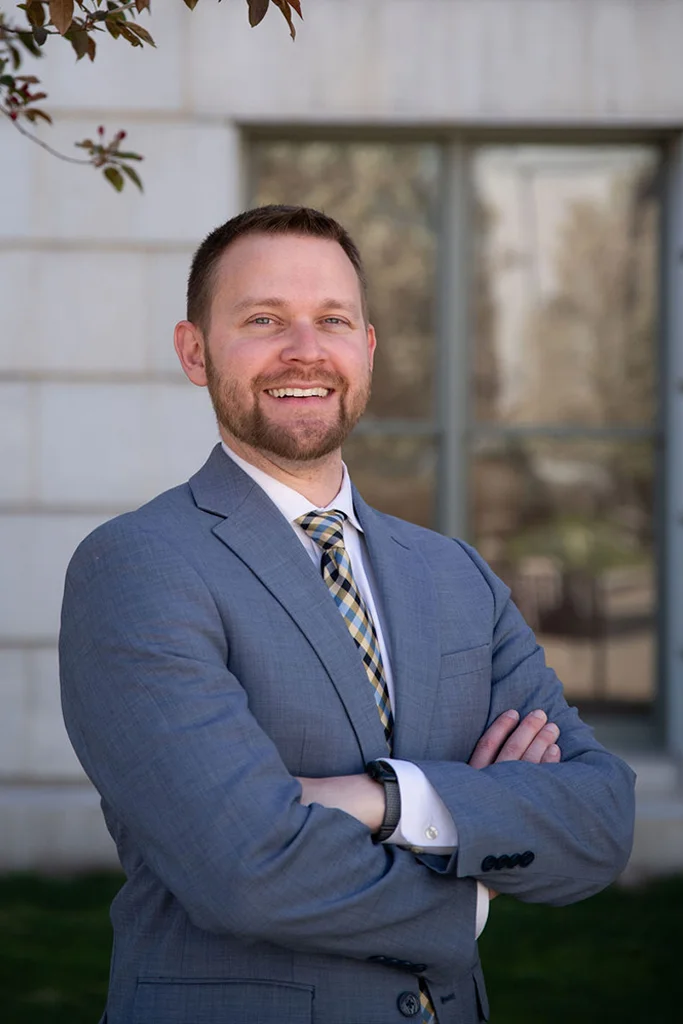
A DUI arrest in Pueblo sets two separate legal processes in motion at the same time. There is the criminal case in Pueblo County District Court, and there is the DMV administrative proceeding that threatens your driver’s license independently of whatever happens in the courtroom. Most people focus on one and lose ground on the other. Reid DeChant, a Pueblo DUI defense lawyer at DeChant Law, handles both tracks simultaneously, which is often what separates a case that spirals from one that gets resolved on favorable terms.
How Pueblo DUI Cases Actually Get Built Against You
Pueblo law enforcement operates DUI enforcement along several high-traffic corridors, including I-25 through downtown, Highway 50 toward Pueblo West, and Northern Avenue in the commercial districts. Late-night stops near the Union Avenue Historic District and after Riverwalk events are common. The police reports generated from these stops are not neutral documents. They are written to justify the arrest, and they follow a predictable template: officer observes traffic violation, smells alcohol, administers roadside tests, makes arrest.
What that template obscures matters enormously in your defense. Was the initial traffic stop legally justified? Field sobriety tests like the walk-and-turn or one-leg stand have documented failure rates even among completely sober individuals, particularly on uneven ground, in poor lighting, or when the subject has a physical condition affecting balance. The horizontal gaze nystagmus test requires precise administration to produce reliable results. Officers who skip steps or misread results can generate a false picture of impairment that ends up in the evidence file against you.
Chemical test results, whether from a breath machine or a blood draw, are not self-proving. Breath testing devices require regular calibration and maintenance, and those records are discoverable. Blood samples have chain-of-custody requirements. A sample that sat too long before analysis, or was handled improperly at the lab, may produce an artificially elevated BAC reading. These are not technicalities. They are the difference between evidence that stands up in court and evidence that does not.
The DMV Hearing You Only Have Seven Days to Request
When a Colorado officer arrests someone for DUI and the driver either fails or refuses a chemical test, the officer confiscates the license on the spot and issues a temporary permit. That permit is active for seven days. Within those seven days, you must request a DMV Express Consent hearing or the license revocation happens automatically, without any review at all.
That hearing is not a formality. It is a genuine adversarial proceeding where the issues in dispute include whether the officer had reasonable grounds to request the test, whether proper advisements were given, whether the test was administered correctly and within the required time window, and whether the result actually reflects the driver’s BAC at the time of driving. Reid has secured dismissals at DMV Express Consent hearings on grounds including improper advisement, failure to administer the chemical test within two hours of driving, and Miranda-related issues. Those outcomes are reflected in DeChant Law’s actual case results.
Winning the DMV hearing does not resolve the criminal case, and winning the criminal case does not automatically resolve the DMV action. The two tracks run on different evidence standards and different procedural rules. Treating them as a single proceeding is a mistake that produces worse outcomes on both fronts.
What Colorado’s Charging Tiers Mean for a Pueblo Case
Colorado distinguishes between DUI (BAC of 0.08% or higher, or driving while substantially impaired by any substance) and DWAI (driving while ability impaired, with a BAC between 0.05% and 0.079%). A first DUI conviction in Colorado carries a sentencing range of five days to one year in jail, fines from $600 to $1,000, a nine-month license suspension, and mandatory alcohol education classes. DWAI carries lighter minimums but still produces a criminal record and license consequences.
A second DUI conviction escalates substantially. A third DUI is a misdemeanor but carries mandatory minimums that make incarceration nearly certain without effective representation. A fourth DUI in Colorado is a class 4 felony. The charging tier matters, and so does the specific evidence in the case, because prosecutors can and do reduce charges when the evidence supports it. That reduction does not happen by default. It requires someone who understands what the evidence actually shows and can articulate why a lesser charge reflects the facts more accurately.
Drug DUI charges add another layer. Colorado law covers impairment by marijuana, prescription medications, and controlled substances, and the evidence challenges in those cases are often more significant than in alcohol cases because there is no legal per se limit for most drugs, which forces the prosecution to rely more heavily on officer observations and expert testimony. DeChant Law has taken DUI-drugs cases to trial and obtained not guilty verdicts in Jefferson County and Broomfield County.
Questions Pueblo Drivers Ask After a DUI Arrest
I refused the breath test. Does that make my situation worse?
Refusal triggers an automatic license revocation under Colorado’s Express Consent law, and the revocation period is typically longer than what follows a failed test. However, refusal also means there is no chemical test result for the prosecution to use, which changes the evidentiary picture in the criminal case. Whether refusal helped or hurt your position depends on the specific circumstances, including what other evidence the officer collected.
My BAC was just over 0.08%. Is there any realistic defense?
Yes. BAC results at or near the legal limit are among the most defensible outcomes because the margin for instrument error, sample handling issues, and physiological variation is meaningful at that level. A result of 0.082% on a device with a documented calibration issue, or on a sample that was improperly stored, is not the same as a confirmed 0.082%.
What happens if I had a prior DUI from several years ago?
Colorado does not have a lookback period for DUI priors. A conviction from ten or fifteen years ago still counts as a prior offense and affects your charging tier, mandatory minimums, and license consequences. This is one reason why the way a prior case was resolved matters long after the case is closed.
Can a DUI charge affect my professional license in Colorado?
It can. Licensing boards for physicians, nurses, commercial drivers, and pilots each have their own reporting requirements and disciplinary processes that operate separately from the criminal case. The criminal outcome matters, but so does how and when it is reported and how the board proceeding is handled. Reid has experience with the specific licensing implications of DUI charges and approaches those cases with the professional consequences in mind from the beginning.
Will this show up on my record permanently?
A DUI conviction in Colorado cannot be sealed. That distinction makes fighting the charge at the front end significantly more important than it might be for other offense types where post-conviction relief remains available. Diversion or deferred sentencing arrangements, where available, offer a different path, but they are not universally offered and their terms require careful evaluation.
How does DeChant Law handle cases in Pueblo if the firm is based in Denver?
Reid represents clients in courts throughout the metro area and surrounding counties. Pueblo County cases are handled directly, including DMV hearings and criminal proceedings in Pueblo County District Court. Distance does not change the level of attention the case receives.
What should I do in the days immediately following an arrest?
The seven-day window for requesting a DMV hearing is the most time-sensitive issue. Beyond that, preserving any evidence that documents your condition that night, including receipts, witness contacts, or medical records relevant to field sobriety performance, is worth doing promptly. The details that seem minor right after an arrest often become significant later.
Talking to a Pueblo DUI Attorney Before the Window Closes
The decisions made in the first week after a DUI arrest have consequences that run through the entire case. A Pueblo DUI attorney who engages early can request the DMV hearing before the deadline, begin gathering evidence before it disappears, and evaluate whether the stop, the testing, or the advisements have problems worth pursuing. DeChant Law was built on the understanding that clients arrive at this firm at one of the harder moments in their lives, and that what they need is someone who takes their situation seriously and works with tenacity toward the best outcome the facts allow. Reid’s background as a public defender across multiple Colorado jurisdictions, combined with his private practice trial experience, informs how he approaches every case, including yours.