Arapahoe County Drug Crimes Lawyer
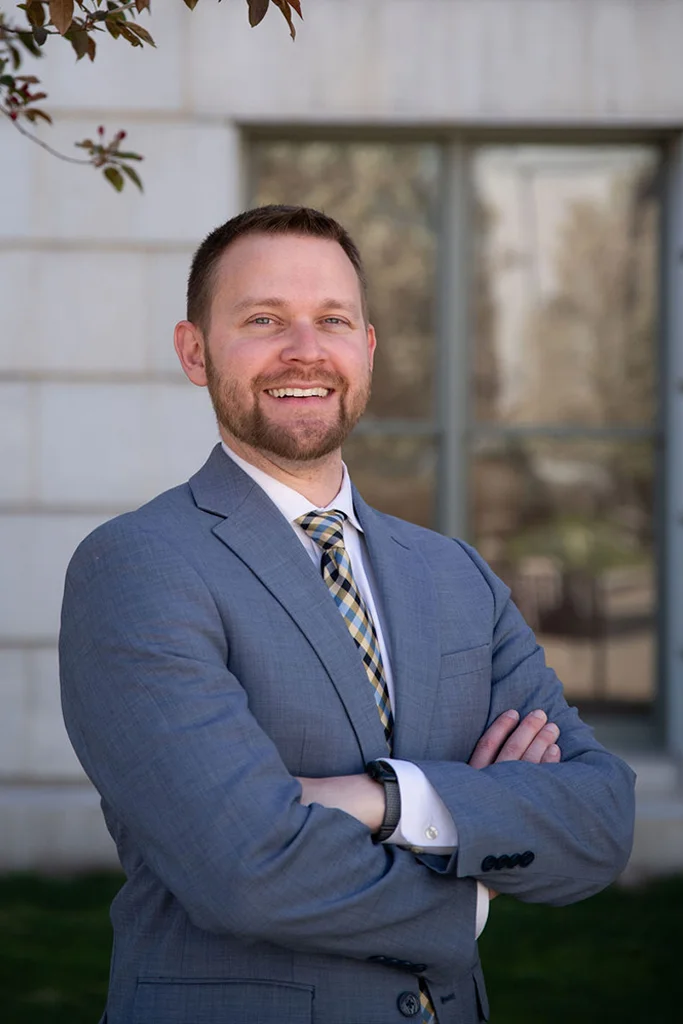
Drug charges in Arapahoe County move faster than most people expect. From the moment of arrest, prosecutors begin building their case, and the decisions made in the first days matter. At DeChant Law, Reid represents people facing the full range of drug charges in Arapahoe County courts, from possession to distribution, with the same focus on facts, defense strategy, and what the outcome actually means for the client’s life. Having an Arapahoe County drug crimes lawyer who has worked these cases from both the public defender’s side and private practice changes what’s possible.
What Arapahoe County Prosecutors Actually Charge and Why It Matters
Not all drug charges are created equal, and how a case gets filed in Arapahoe County depends on a cluster of variables: the substance, the quantity, the circumstances of the arrest, and what law enforcement claims about intended use or distribution. Understanding those distinctions is where a defense begins.
Simple possession of a schedule I or II controlled substance in Colorado is typically charged as a level 1 drug misdemeanor for small amounts, but it becomes a level 4 drug felony when quantities cross certain thresholds, when there’s evidence of prior convictions, or when the substance involved carries elevated charging standards. Methamphetamine and heroin cases, in particular, tend to draw felony charges even for personal-use quantities. Fentanyl cases have drawn increased prosecutorial attention across the Denver metro area, including Arapahoe County, given the public health backdrop.
Possession with intent to distribute is a different charge entirely, even when no sale was witnessed. Prosecutors often build intent from circumstantial evidence: the quantity found, whether the substance was divided into small packages, the presence of a scale, large amounts of cash, or text message communications. Each of those pieces of evidence carries its own vulnerabilities, and part of defending these cases is a careful look at whether the evidence actually supports what the charge implies.
Arapahoe County sees drug charges arise frequently near Aurora, Englewood, Centennial, and Littleton, and the law enforcement agencies involved range from Aurora Police to the Arapahoe County Sheriff’s Office to the South Metro Drug Task Force. Which agency ran the investigation shapes how evidence was collected and what procedural issues may exist.
Where Drug Cases in Arapahoe County Get Decided
Arapahoe County drug cases are heard at the Arapahoe County Justice Center in Centennial. The 18th Judicial District covers Arapahoe, Douglas, Elbert, and Lincoln Counties, and the district attorneys in this office have historically pursued drug cases with consistency. Knowing this courthouse, how cases typically move through it, and which arguments tend to gain traction here is not generic legal knowledge. It is specific, and it matters.
Misdemeanor drug charges often involve a pathway through county court first, while felony charges are handled in district court. In some cases, there are diversion programs or deferred judgment options available for first-time offenders, but eligibility is fact-specific, and accepting a deal without understanding the full record consequences can create problems that outlast the case itself. A drug conviction, even a sealed one, can affect professional licenses, housing applications, immigration status, and federal financial aid eligibility. Those downstream consequences need to be part of the conversation before any plea decision is made.
How Fourth Amendment Issues Shape Drug Prosecutions
A significant portion of drug cases turn on how the evidence was obtained. The Fourth Amendment’s protection against unreasonable search and seizure applies directly to most drug investigations, and violations of those protections can result in the suppression of evidence, which in a drug case often means the case cannot proceed.
Traffic stops are among the most common starting points for Arapahoe County drug arrests. Officers encounter drugs during a stop, either in plain view or after a search. Whether that search was legal depends on whether the stop itself was valid, whether any consent was truly voluntary, whether there was probable cause or a warrant exception, and whether a search extended beyond what was permissible. These are not academic questions. They are the functional core of many drug defense strategies.
The same scrutiny applies to searches of homes and residences. A warrant that was overbroad, an affidavit that relied on stale or unreliable information, or a knock-and-announce violation can all form the basis of a suppression motion. When physical evidence is suppressed, the prosecution’s ability to prove its case collapses. That is not a technicality. It is the legal system working the way it was designed to work.
Beyond suppression, there are questions about chain of custody for drug evidence, the reliability of field tests versus laboratory analysis, and whether the substance seized actually matches what was charged. Reid’s background handling drug and DUI cases, where forensic evidence is central, means these technical dimensions of a case are not overlooked.
Questions About Drug Charges in Arapahoe County
Can a drug felony in Colorado be reduced or sealed?
In some circumstances, yes. Colorado law provides pathways for deferred judgment and sentence on certain drug felonies, where successful completion of probation results in a dismissal. Record sealing is available for some drug arrests and convictions, though the waiting periods and eligibility criteria vary by offense type. Whether these options are available in a particular case depends on the charge, prior record, and how the case resolves.
What happens if someone is charged with drug crimes and the drugs weren’t theirs?
Constructive possession charges arise when drugs are found in a shared space, like a car or apartment, and prosecutors charge everyone present. Defending these cases means showing that the person charged did not have knowledge of the drugs or did not exercise control over them. That’s a factual and legal question that requires detailed review of the specific circumstances.
Does marijuana still lead to criminal charges in Colorado?
Colorado’s legal marijuana framework does not eliminate all drug charges. Possession beyond the legal limit, distribution outside licensed channels, and possession in certain locations or by minors can still result in criminal charges. Driving while impaired by marijuana is also prosecuted seriously, including in Arapahoe County.
What is the South Metro Drug Task Force and does it affect my case?
The South Metro Drug Task Force is a multi-agency unit that investigates drug distribution and trafficking in the southern Denver metro area, including parts of Arapahoe County. Task force investigations often involve surveillance, confidential informants, and controlled buys, and they frequently produce cases where the evidence and the charge are more complex than a street-level arrest. If your case originated from a task force investigation, that context matters for how the defense is approached.
Is it worth challenging evidence at trial or is it better to take a deal?
That depends entirely on the strength of the evidence, the available defenses, and what the prosecution is offering. A deal that results in a felony conviction when suppression was viable is not a good outcome. Reid’s trial experience, including a Not Guilty verdict in a DUI-Drugs case out of Jefferson County, reflects that going to trial is sometimes the right call. The decision should always be the client’s, made with a full understanding of both paths.
How does a drug conviction affect immigration status?
Drug convictions, even misdemeanors, can have serious immigration consequences including deportation, inadmissibility, and bars to naturalization. This is an area where the intersection of criminal and immigration law requires careful attention before any plea is entered. Reid’s work with immigrant clients, specifically noted in the firm’s DUI defense practice, reflects awareness that the criminal case is not the only thing at stake.
What does the first meeting with DeChant Law look like for a drug case?
The first conversation is about the facts of your situation and what you’re actually facing. Reid takes the approach that clients come to him at a difficult moment and need someone who engages seriously with their circumstances. That means listening before strategizing, understanding the context of what happened, and giving a realistic picture of the options rather than a sales pitch.
Facing Drug Charges in Arapahoe County Deserves Direct, Honest Representation
A drug case in Arapahoe County can move in several directions depending on the charge, the evidence, and how the defense is built. Reid’s experience as a public defender across Denver, Broomfield, and Adams County, combined with private practice handling drug and DUI cases in courts throughout the metro area, means the approach here is grounded in what actually works in courtrooms, not general principles. If you’re looking for an Arapahoe County drug crimes attorney who will engage with your case seriously and tell you the truth about where things stand, reach out to DeChant Law to start that conversation.