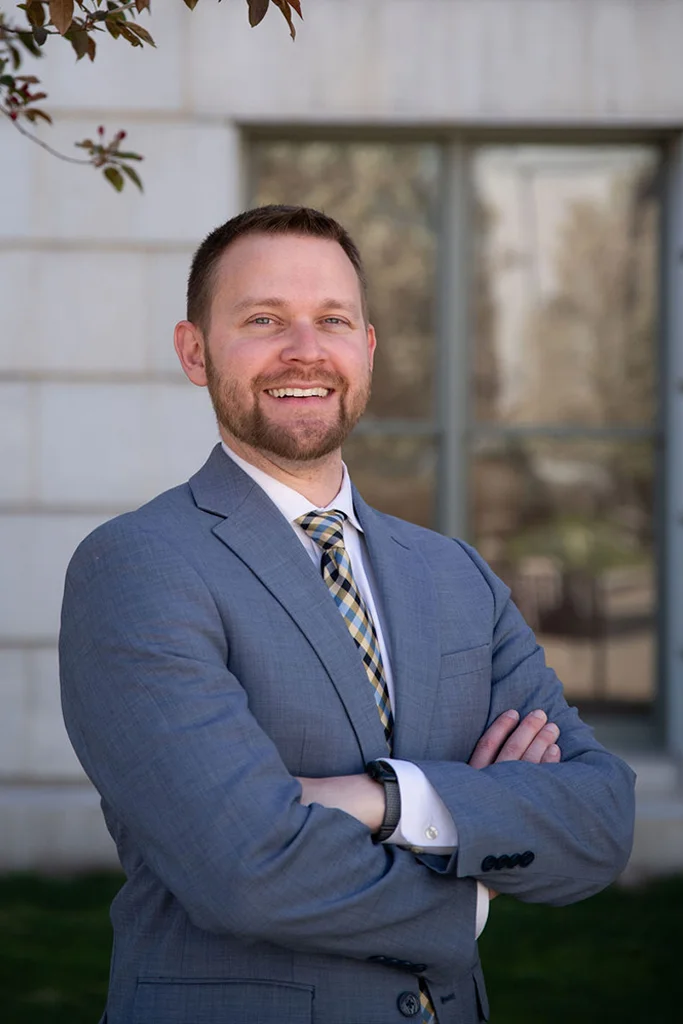

Broomfield Vehicular Assault and Homicide Defense Lawyer
A collision that results in serious injury or death changes everything for the driver behind the wheel. Prosecutors in Broomfield and across Jefferson and Broomfield counties pursue these cases hard, and the charges they file, whether vehicular assault or vehicular homicide, carry prison sentences that can reshape the rest of a person’s life. Reid DeChant has defended clients in Broomfield County courts and understands how these cases are built, where they are vulnerable, and what it takes to fight them. When you are looking for a Broomfield vehicular assault and homicide defense lawyer, the attorney you hire needs to have actually tried cases like this, not just settled them.
What Colorado Law Says About Vehicular Assault and Vehicular Homicide
These are not simple traffic offenses with elevated penalties. Colorado treats them as standalone felonies with their own elements, their own sentencing ranges, and their own procedural considerations.
Vehicular assault under C.R.S. 18-3-205 occurs when a driver operates a vehicle recklessly and that recklessness causes serious bodily injury to another person. There is also a DUI-related path to vehicular assault, where the prosecution must prove the driver was under the influence of alcohol or drugs and that impairment caused the serious bodily injury. The DUI-based version carries heavier penalties. As a class 4 felony, a conviction can mean two to six years in the Department of Corrections, along with fines and a mandatory period of parole.
Vehicular homicide under C.R.S. 18-3-106 applies when the same reckless or impaired driving leads to another person’s death. The reckless version is a class 4 felony. The DUI version is a class 3 felony, with a presumptive range of four to twelve years in prison. These are not theoretical maximums. Colorado courts apply them, and judges in these cases often feel significant public pressure to impose significant sentences.
Broomfield County has its own court, the Broomfield County Combined Courts located near Spyder Peak, and cases originating in Broomfield are prosecuted there. Neighboring Jefferson County handles crashes occurring along US-36, C-470, and the roads connecting Broomfield to Arvada, Westminster, and the surrounding communities. Reid has experience in both jurisdictions as a defender.
How Prosecutors Build These Cases, and Where the Weaknesses Live
To convict on vehicular assault or homicide, the prosecution has to prove more than that an accident happened and someone was hurt or killed. They must establish the driver’s mental state, either recklessness or impairment, and they must connect that mental state to the specific harm caused. That connection is often the most contested piece of the case.
Accident reconstruction plays a central role. Investigators use data from the vehicles’ event data recorders, road conditions, tire marks, impact angles, and witness statements to reconstruct what happened in the seconds before the crash. These reconstructions can be compelling, but they are not infallible. The methodology matters. The assumptions built into the model matter. An experienced defense attorney brings in independent experts to scrutinize those conclusions, not simply accept them.
In DUI-based charges, toxicology is critical. Blood draws taken after a serious accident must follow strict protocols for collection, storage, and testing. Chain of custody errors, contaminated samples, testing backlogs, and improper centrifuge timing can all affect the reliability of a BAC result. The same is true for drug impairment cases, where the science of how a substance affected a particular driver at a particular moment is far less settled than prosecutors sometimes suggest.
Causation is another area where the defense often has room to work. Other vehicles, road conditions, sudden medical events, and the actions of the injured party can all contribute to a crash. Colorado law does not require a driver’s impairment or recklessness to be the sole cause, but it must be a cause, and that distinction becomes critical when the accident involved multiple contributing factors.
Why Recklessness Is Not the Same as a Mistake
Prosecutors sometimes charge vehicular assault or homicide when what actually occurred was a tragic accident. Colorado’s recklessness standard requires that the driver consciously disregarded a substantial and unjustifiable risk. That is a specific mental state, not simply careless driving or an error in judgment that any driver might make.
Speeding, running a red light, or failing to yield can all be components of a recklessness argument, but none of those facts automatically proves the charge. The question is whether this driver, at this moment, was aware of the risk and chose to proceed anyway. A skilled reconstruction of the circumstances, the road, the visibility, the conditions, and the driver’s actual conduct, can draw a clear line between recklessness and a mistake. That distinction can be the difference between a felony conviction and a lesser charge or an acquittal.
Reid’s background as a trial lawyer, including training at Trial Lawyers College, is directly relevant here. These cases often turn on storytelling, presenting the full human context of what happened to a judge or jury rather than letting the prosecution’s version go unchallenged. That requires preparation, courtroom experience, and genuine care for the client’s situation.
Questions People Ask About Vehicular Assault and Homicide Charges in Broomfield
Can vehicular assault or homicide charges be reduced or dismissed?
Yes, in appropriate cases. Dismissals happen when the evidence does not support the charge, when constitutional violations taint the investigation, or when expert analysis undermines the prosecution’s theory of the crash. Reductions happen in plea negotiations when the government’s case has meaningful weaknesses. Neither outcome is guaranteed, but both are realistic goals that a prepared defense lawyer can pursue.
What happens to my driver’s license if I am charged?
A DUI-based vehicular assault or homicide charge triggers DMV action against your license separate from the criminal case. Colorado’s express consent laws mean that a chemical test result above the legal limit initiates an administrative revocation proceeding. Reid handles DMV express consent hearings as part of his DUI defense practice and has had numerous DMV actions dismissed on procedural and substantive grounds.
Does it matter whether the accident was a single-car crash or involved another vehicle?
It can matter significantly. In multi-vehicle accidents, the other driver’s conduct, road design, signaling failures, and other external factors become part of the causation analysis. Single-car crashes tend to focus more on the driver’s own conduct, though road conditions, vehicle defects, and sudden medical events remain relevant.
How long do these cases typically take to resolve?
Serious felony cases in Broomfield and Jefferson counties typically take many months and sometimes longer. Accident reconstruction takes time. Expert review takes time. The discovery process in these cases is substantial. Cases that go to trial take longer than those that resolve through negotiation, but the decision to go to trial depends on the specific facts and what outcome is achievable.
What if I was injured in the accident too?
Injuries to the charged driver do not preclude prosecution, but they can be relevant to the defense. Certain injuries are consistent with a medical emergency that preceded the crash rather than impaired or reckless driving. That possibility deserves investigation when the facts support it.
Is jail time mandatory for vehicular assault or homicide in Colorado?
For felony convictions, the presumptive sentencing ranges do involve prison time, particularly for the DUI-based versions of these offenses. However, mitigating factors, lack of prior criminal history, cooperation, and circumstances of the incident can all bear on sentencing. The goal of the defense is to achieve the best available outcome given the specific facts of the case.
What should I do immediately after being involved in a serious crash?
Comply with your legal obligations at the scene, but exercise your right to remain silent regarding what happened. Statements made to law enforcement in the immediate aftermath of an accident are often used against the driver later. Contact defense counsel before giving any detailed account of events to investigators.
Defending Vehicular Assault and Homicide Cases in Broomfield
Reid DeChant began his career as a public defender handling serious felony cases, including cases in Broomfield County, where he represented people facing the most significant moments of their lives. That background matters in vehicular assault and homicide defense because these cases require someone who will put in the work, retain the right experts, challenge the forensic evidence, and stand in front of a jury if that is what the case demands. Hiring a Broomfield vehicular homicide defense attorney without real trial experience is a serious risk when the prosecution is prepared to go the distance. DeChant Law brings the preparation and tenacity these cases require.
Contact DeChant Law to discuss your case directly with Reid.