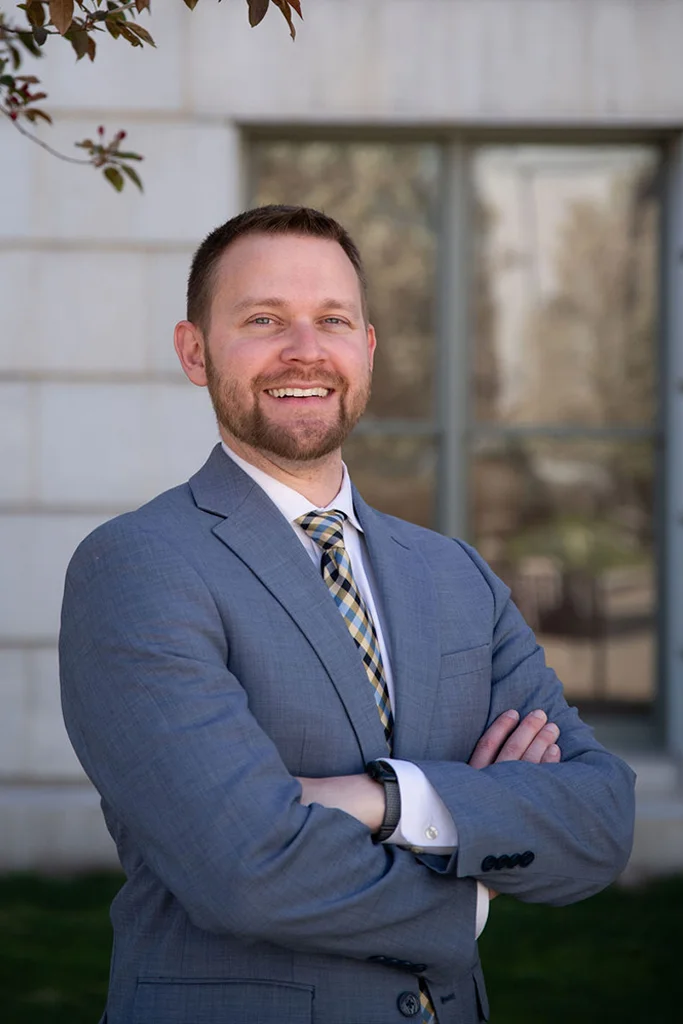
Denver Drug Distribution Lawyer
Drug distribution charges sit in a different category than simple possession. Prosecutors pursue them more aggressively, sentences run longer, and the collateral consequences reach further into a person’s life. A charge of distribution, delivery, or possession with intent to distribute a controlled substance in Colorado can carry mandatory minimums, federal overlap, and sentencing enhancements that a person simply cannot afford to confront without someone who knows how these cases are actually built and where they can be taken apart. At DeChant Law, Reid works as a Denver drug distribution lawyer who has handled serious felony charges and understands what’s at stake when the government decides to make an example of someone.
How Colorado Prosecutes Drug Distribution Cases
Colorado classifies drug distribution offenses based on the controlled substance involved, the quantity, and whether the facts suggest a pattern of dealing versus a single incident. Level 1 drug felonies, which cover large-scale distribution of heroin, cocaine, methamphetamine, or fentanyl, carry presumptive sentences of eight to thirty-two years. Level 2 and Level 3 drug felonies still carry significant prison exposure, often years rather than months.
The charge itself often rests on circumstantial evidence. Police and prosecutors build distribution cases from surveillance, controlled buys using informants, the quantity of drugs found, packaging materials, scales, cash on hand, and text message records. A person found with several grams of fentanyl and a set of small baggies faces a very different prosecution than someone caught with personal-use quantities of marijuana. Prosecutors look for patterns that tell a story of distribution, and defense work means examining whether that story holds up.
What’s worth knowing: Colorado state charges and federal charges can stem from the same set of facts. If law enforcement hands a case off to federal prosecutors, the sentencing guidelines and mandatory minimums operate under a completely different framework, and the stakes increase substantially. Reid keeps a close eye on which direction a case is heading from the beginning.
Where These Cases Originate in the Denver Area
Drug distribution investigations in Denver do not follow a single pattern. Some begin with a traffic stop on I-25 or I-70 where officers find quantities that exceed what prosecutors consider personal use. Others start from months of surveillance in neighborhoods like Five Points, Montbello, or areas along Colfax where enforcement has historically been concentrated. Still others are the product of undercover operations, informant-driven buys, or wiretaps that the defendant doesn’t learn about until they’re already facing a pile of charges.
Denver cases typically run through Denver District Court, but charges originating in Aurora, Englewood, or unincorporated Arapahoe County land in different courts with different prosecutors and different courtroom tendencies. Adams County, Jefferson County, and Douglas County each have their own enforcement priorities and prosecutorial cultures. A defense attorney who has practiced in these jurisdictions knows what to expect and what room exists for negotiation versus what cases need to be tried.
Reid has practiced in Denver, Adams County, Broomfield, and surrounding courts. That firsthand familiarity matters when it comes to understanding how a case is likely to move and what options actually exist for the person facing it.
The Defense Work That Actually Moves These Cases
Defense in a drug distribution case is not a single strategy. It is a sequence of decisions shaped by the facts, the evidence, the client’s history, and what the client needs as an outcome. Some cases turn on suppression. If police lacked probable cause for a stop or a search, everything found as a result of that stop may be excluded. Colorado courts take Fourth Amendment violations seriously, and a motion to suppress that succeeds can collapse the prosecution entirely.
Informant reliability is another axis worth examining closely. Law enforcement frequently uses cooperating witnesses with their own legal exposure, financial incentives, and motivations to shade the truth. Reid scrutinizes who the informant is, what deal they received, and whether their account of events survives cross-examination. Cases built on a single informant’s testimony have real vulnerabilities.
Chain of custody for drug evidence, lab testing procedures, and whether the substance was actually tested in accordance with proper protocols, these are not technicalities. They are the foundation of whether the prosecution can actually prove what it claims the substance was. Defense work in distribution cases means reading lab reports carefully, understanding what the tests can and cannot tell you, and knowing when to challenge the results.
Beyond the courtroom mechanics, mitigation matters. Colorado’s sentencing framework gives courts some discretion, and a person’s background, circumstances, and genuine path forward can influence outcomes at sentencing if the case does not resolve earlier. Reid came up as a public defender. He learned early that clients come to him at the lowest point in their lives, and that telling their story fully, not just litigating the charges, is part of effective representation.
Questions People Ask About Drug Distribution Charges in Denver
What’s the difference between possession and possession with intent to distribute?
Simple possession means having a controlled substance for personal use. Possession with intent to distribute means the prosecution believes you had drugs with the purpose of selling or delivering them. The line is drawn based on quantity, packaging, cash, messages, and surrounding circumstances. The charges are separate offenses with very different penalties, and how a case gets charged often depends on the judgment calls of the investigating officer and prosecutor.
Can a distribution charge be reduced to simple possession?
In some cases, yes. Plea negotiations, successful suppression motions, or challenges to the evidence can result in a reduced charge. The outcome depends entirely on the facts of the case, the strength of the evidence, the specific substance and quantity involved, and the defendant’s history. There is no formula that applies across all cases, which is why the specifics matter so much.
What happens if federal charges get filed instead of state charges?
Federal drug distribution charges carry their own sentencing guidelines, and mandatory minimums apply in many cases. Federal prosecution is more resource-intensive and conviction rates are higher, which makes early and thorough defense preparation more critical. The decision of whether to charge at the state or federal level typically rests with law enforcement and the U.S. Attorney’s office, and it can depend on quantities, alleged organizational involvement, and prior criminal history.
Does a drug distribution conviction affect more than just potential prison time?
Yes. A felony drug distribution conviction in Colorado can affect housing, employment, professional licenses, immigration status, and the right to possess a firearm. For non-citizens, certain drug convictions trigger deportation consequences regardless of how long a person has lived in the United States. Understanding what a conviction actually means beyond the sentence is part of building a defense strategy that accounts for the full picture.
How does Colorado’s drug scheduling affect the severity of charges?
Colorado uses a schedule of controlled substances that influences how charges are graded. Schedule I and II substances like heroin, cocaine, methamphetamine, and fentanyl carry the most serious penalties. Schedule III through V substances generally result in lower-level felonies. The specific quantity also matters significantly because thresholds in Colorado law trigger different presumptive sentence ranges depending on how much of a substance was allegedly involved.
What if the drugs belonged to someone else in the vehicle or home?
Constructive possession is a legal theory prosecutors use when drugs are found in a shared space. They do not need to prove the drugs were physically on your person. They need to show you knew about the drugs and had the ability to exercise control over them. This is a fact-specific inquiry that can be challenged. Shared spaces, multiple occupants, and competing explanations for who had actual knowledge and control are all relevant to the defense.
Should I talk to police if I’ve been arrested on a distribution charge?
No. The constitutional right to remain silent exists precisely for situations like this. Anything said to police can be used against you, and statements made under pressure or confusion frequently create problems that did not need to exist. The right move is to decline to answer questions and request an attorney. Defense work is significantly more difficult when a client has already provided statements that need to be managed alongside the physical evidence.
Facing a Drug Distribution Charge in Denver
Distribution charges do not resolve themselves, and the longer someone waits to get real counsel involved, the more opportunity is lost to investigate the evidence, challenge the charging decisions, and shape how the case develops. DeChant Law handles these cases seriously because the outcomes are serious. If you are looking for a Denver drug distribution attorney who has practiced in the courts where your case will be heard and understands how to build a defense from the ground up, Reid is ready to sit down and talk through what you are actually facing.