
Legal Analysis: I-25 Wrong-Way Incident Highlights Complexity of Colorado DUI & Injury Laws
By DeChant Law | Educational Legal Commentary
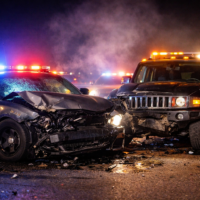
A multi-agency emergency on Interstate 25 north of Pueblo recently resulted in two hospitalizations and a complex chain of criminal allegations. According to the Colorado State Patrol (CSP), a wrong-way driver traveling southbound in the northbound lanes near mile marker 113 led to a collision involving a state trooper and a civilian driver.
While the incident began as a suspected DUI stop, it quickly escalated into a high-speed pursuit involving the Fountain Police Department and multiple jurisdictions. As this case moves through the Colorado court system, it serves as a critical example of how DUI charges can intersect with Vehicular Assault and felony eluding statutes.
The Intersection of DUI and Injury: Vehicular Assault
In Colorado, a standard DUI is typically a misdemeanor. However, under CRS § 18-3-205, if a driver is under the influence and their driving is the proximate cause of “serious bodily injury” to another, they can be charged with Vehicular Assault.
- Class 4 Felony: If the injury is caused by a driver under the influence of alcohol or drugs.
- Serious Bodily Injury (SBI): This is a high legal threshold involving a substantial risk of death, serious permanent disfigurement, or protracted loss or impairment of any part or organ of the body.
In incidents like the I-25 crash—where a trooper and a civilian were hospitalized—the specific medical findings regarding those injuries will dictate whether the prosecution pursues felony assault charges.
The Legal Challenges of Multi-Agency Pursuits
The recent I-25 incident highlights the technicalities of Reckless Driving and eluding. When a driver is signaled to stop by a peace officer and willfully flees or increases speed, they face charges under Colorado’s vehicular eluding statutes.
If the eluding results in bodily injury to another person, the charge can be elevated to a Class 4 felony. Defending these cases requires a meticulous review of:
- Police Procedure: Were the emergency lights and sirens activated according to protocol?
- Causation: Was the defendant’s driving the direct cause of the crash involving the third-party vehicle (the Hummer), or did external factors contribute to the collision?
- Jurisdictional Overlap: Cases involving CSP, Pueblo authorities, and Fountain PD require a defense that understands how different District Attorney offices coordinate—or conflict—on charging decisions.
How Colorado Courts Evaluate These Complex Cases
When an incident involves wrong-way travel and injuries to first responders, the court’s scrutiny intensifies. Key factors include:
- Chemical Testing Accuracy: In high-stress pursuit arrests, the timing of blood or breath tests is vital. Any delay or deviation in the “express consent” process can be grounds for challenging evidence. Learn more about DMV Hearings and chemical tests.
- Aggravating Factors: Injuries to a law enforcement officer often lead to harsher sentencing requests from the prosecution. · Prior Record: For those with previous offenses, the risk of being labeled a Persistent Drunk Driver significantly increases the mandatory penalties.
Why Expert Defense Matters
Early news reports often present a one-sided narrative based on initial police statements. However, a “wrong-way” designation or a “fleeing” allegation does not automatically equal a conviction. From Felony DUI defense to contesting the specifics of a Reckless Driving charge, the technical details of the investigation are where cases are won or lost.
If you or a loved one are facing complex charges involving multiple agencies or injuries on Colorado highways, you need a defense team that specializes in high-stakes traffic litigation. Contact DeChant Law today at 303-409-7500 for a confidential case evaluation.
What is the difference between Careless and Reckless driving in Colorado? Reckless driving involves a “wanton or willful disregard” for safety, while careless driving is simply driving without due regard for the road. The distinction is critical because reckless driving carries more “points” and can lead to felony charges if someone is injured.
